What Is Gameschooling? A Practical Guide for Homeschoolers

Although we follow a fairly structured homeschool routine, games have always been part of our learning. So what is gameschooling, and how does it actually work in a real homeschool?
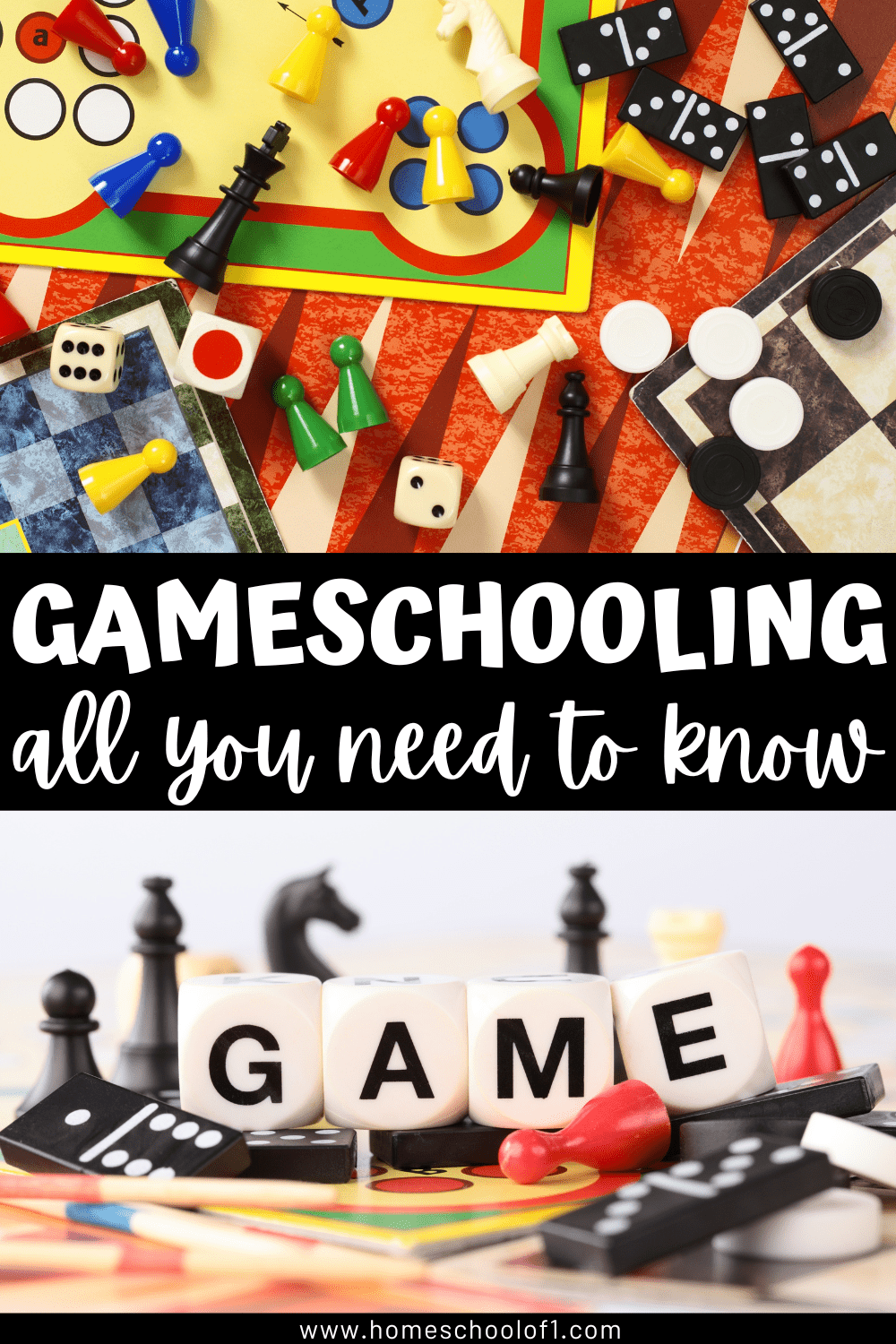
At its core, gameschooling is learning through play, using board games, card games, and even online games intentionally as part of your homeschool approach.
In this guide, I’ll break down how it works, why it’s effective, and how to start without overhauling your entire curriculum.
**This post may contain affiliate links. As an Amazon Associate and a participant in other affiliate programs, I earn a commission on qualifying purchases.**
What Is Gameschooling?
Game schooling is the intentional use of games as part of your homeschool learning. Instead of treating games as a reward after “real school,” they become the learning tool itself.
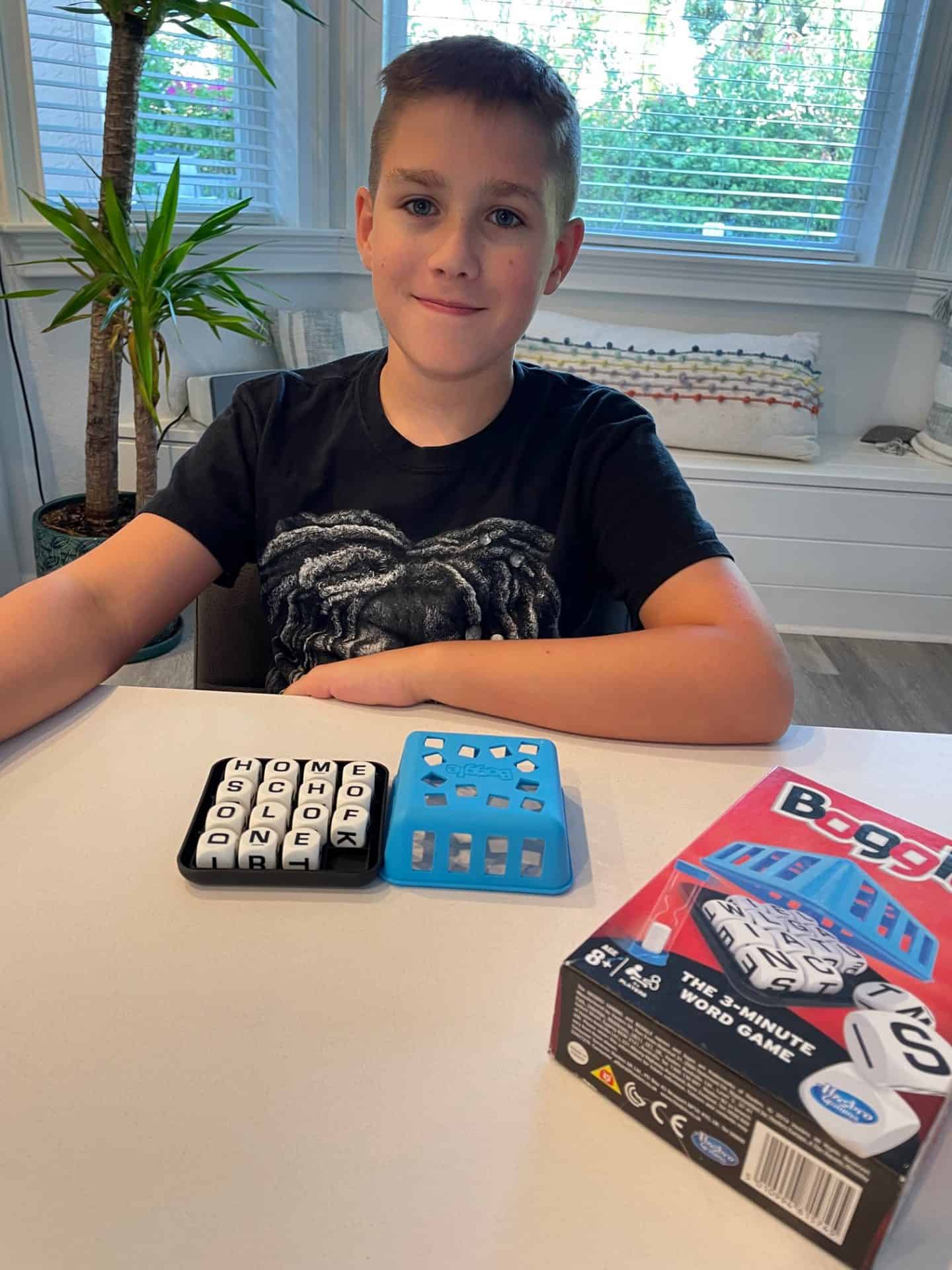
This might look like using board games (our favorite), card games, or even select online games to reinforce skills. Strategy games build planning and logic. Word games strengthen vocabulary and spelling. Even simple card games can sharpen math fluency and focus.
You can choose games to support a specific subject, or you can play more organically and let the skills develop naturally through repetition and discussion. Either way, the learning is real, it just doesn’t feel forced.
How to Start Game Schooling?
You don’t need a full game closet to begin. A simple deck of cards or one family board game is enough to get started.
The easiest way is to swap one traditional activity each week for a game that supports the same skill. Replace a math worksheet with a card game that practices multiplication, or review geography through a map-based board game instead of a quiz.
Board games can add up over time, so we often ask for them as gifts and build our collection slowly. Libraries are also a great option if yours lends games. You don’t need hundreds to make gameschooling work, just a willingness to sit down and play consistently.
What Are The Benefits of Gameschooling?
Learning through games develops far more than subject knowledge. When you play regularly, you start to see how many skills are being practiced at the same time.
Here are some of the biggest benefits we’ve noticed over the years:
- critical thinking and strategic planning
- communication and listening skills
- patience and turn-taking
- emotional regulation and self-monitoring
- flexible thinking and problem-solving
- working memory and sustained attention
- understanding different perspectives
- stronger family connection
- reduced stress compared to worksheet-heavy days
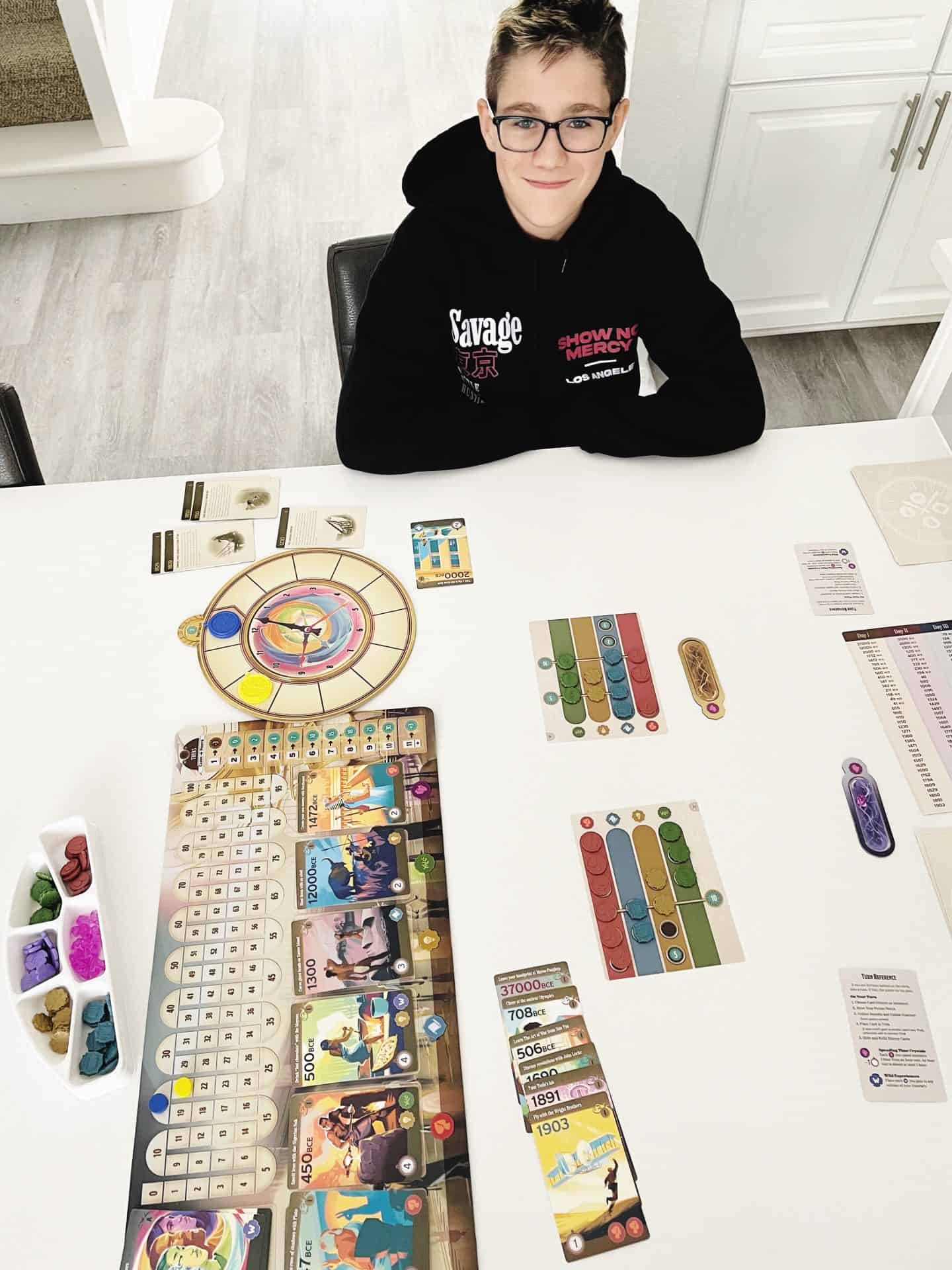
Many of these skills develop naturally through repetition, especially with strategy and cooperative games. The learning happens in the process of playing, discussing, adjusting, and trying again.
These benefits aren’t limited to younger kids either. We still play board games now that my son is in middle school, and I expect we’ll continue into high school. At this stage, games are often our go-to brain break at least once a week.
Best Gameschooling Games by Subject
One of the easiest ways to use gameschooling is to match games to the subject you’re already working on. Instead of adding more worksheets, you can reinforce the same skills through play.
Here are some of our favorite game school ideas organized by subject and age:
- Mathematics board games
- PEMDAS games
- Money board games
- History board games
- Board games to learn geography
- Science board games
- Word board games
If you’re just getting started, pick one subject and try swapping a lesson for a game once a week. For some families, gameschooling becomes a full game-based homeschool curriculum. For others, it’s simply a weekly supplement.
Gameschooling Online
Online games can work well for younger students, especially in preschool and elementary years. They’re often engaging, self-paced, and helpful for reinforcing reading, math, and spelling skills.
For older students, we’ve found that board and strategy games tend to be more effective than online options, particularly for deeper thinking and discussion.
Here are a few online programs we’ve personally used during our elementary years:
Night Zookeeper A writing and spelling platform that feels more like a game than a lesson. It’s especially helpful for reluctant writers who need extra encouragement and structure. You can read our full Night Zookeeper review for more details.
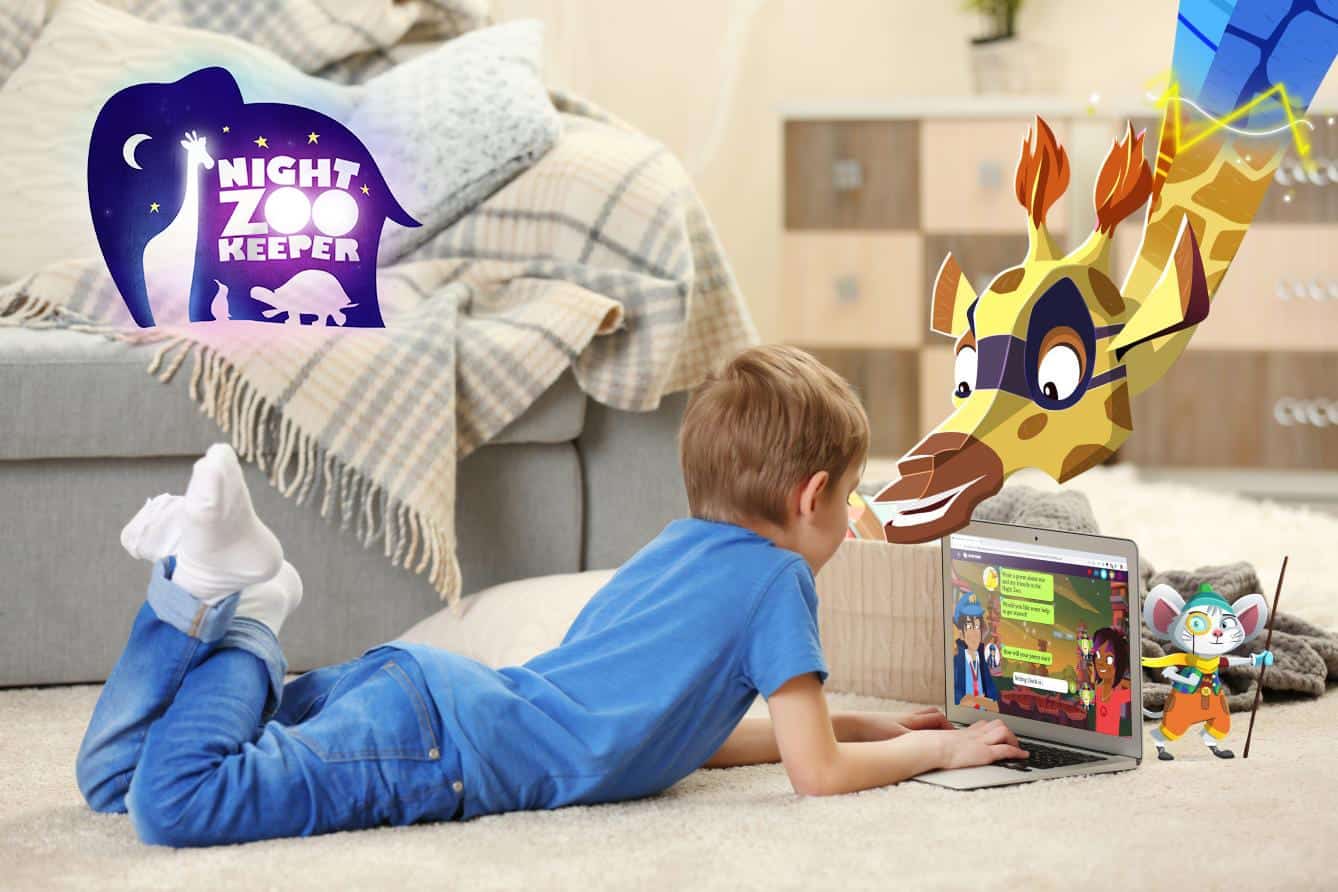
Adventure Academy A broad subject-based learning platform covering math, science, and language arts. My son enjoyed the independence it gave him while still reinforcing core skills. See our Adventure Academy review for more information.
ABCMouse A strong starting point for preschoolers and early readers. It introduces foundational reading and math skills in a structured, game-based format. You can find more in our ABCMouse review.
Free Printable Games
You don’t need an overflowing game shelf to make gameschooling work. Some of our simplest (and most-used) activities are printable games we can pull out at a moment’s notice.
These are easy to set up and work well for quick practice, review days, or low-prep brain breaks:
Printable games are especially helpful if you’re testing out gameschooling for the first time. They let you experiment with learning through play without investing in new board games.
Last Updated on 12 February 2026 by Clare Brown
