Middle School Homeschool Curriculum by Subject (Grades 6–8)

Choosing a middle school homeschool curriculum felt very different from our elementary years. Around grades 6–8, the workload increased, expectations became clearer, and independence started to matter a lot more.
We went through plenty of trial and error during this stage. Some programs worked well at first but didn’t hold up as subjects became more demanding, while others looked great on paper but didn’t fit our day-to-day routine.
If you’re still weighing things up, this easy way to compare homeschool curriculum options can help you narrow things down by subject, grade, and learning style.
The curriculum below reflects what we actually used across middle school, what worked, what didn’t, and when it made sense to switch things up, all with the goal of balancing structure with flexibility as learning became more advanced.
**This post may contain affiliate links. As an Amazon Associate and a participant in other affiliate programs, I earn a commission on qualifying purchases.**
Science Curriculum
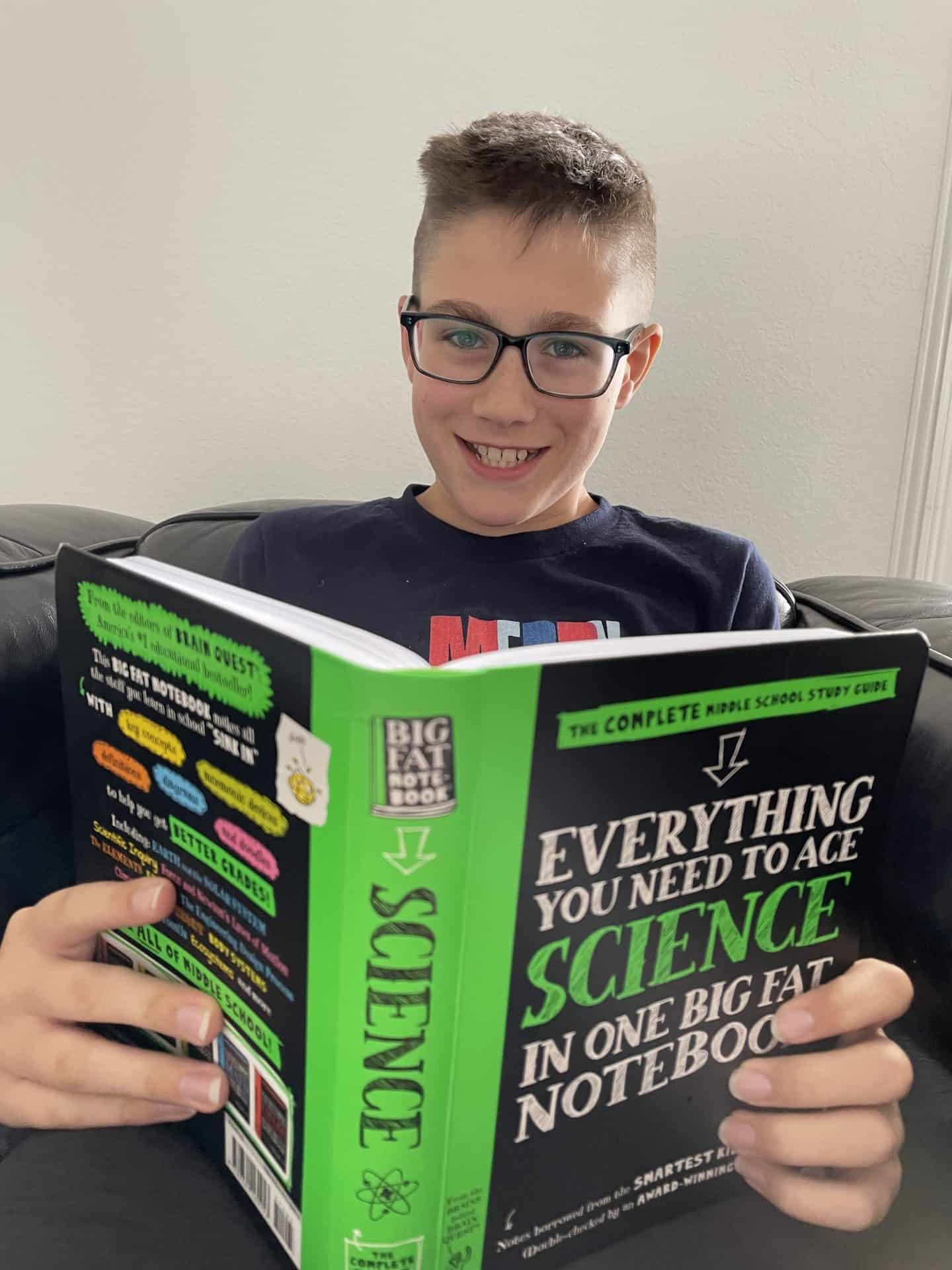
Science was one of the more challenging subjects for us during the middle school years. As topics became more complex, labs more involved, and expectations higher, I needed resources for our homeschool that balanced structure with curiosity, without turning science into a constant production.
What worked best was a mix of reference-style materials, guided lessons, and hands-on components. These allowed us to cover core concepts while gradually building independence, especially in grades 6–7, before shifting toward more self-directed work later on.
Here are the science resources that fit best into our homeschool during these years:
- Everything You Need To Ace Science – A clear, student-friendly reference that helped reinforce key concepts.
- Crash Course – Short, engaging videos that explained topics in a way that stuck, especially for review.
- Real Science Odyssey – A solid hands-on curriculum that worked well when we wanted structured experiments. (See our Real Science Odyssey homeschool review).
- KiwiCo Labs – Useful for occasional enrichment and applied learning rather than full coursework.
- Guest Hollow Junior Anatomy – A literature-based option that made human biology more approachable.
This combination gave us flexibility without sacrificing depth, and made it easier to adjust as science expectations increased.
Math Curriculum
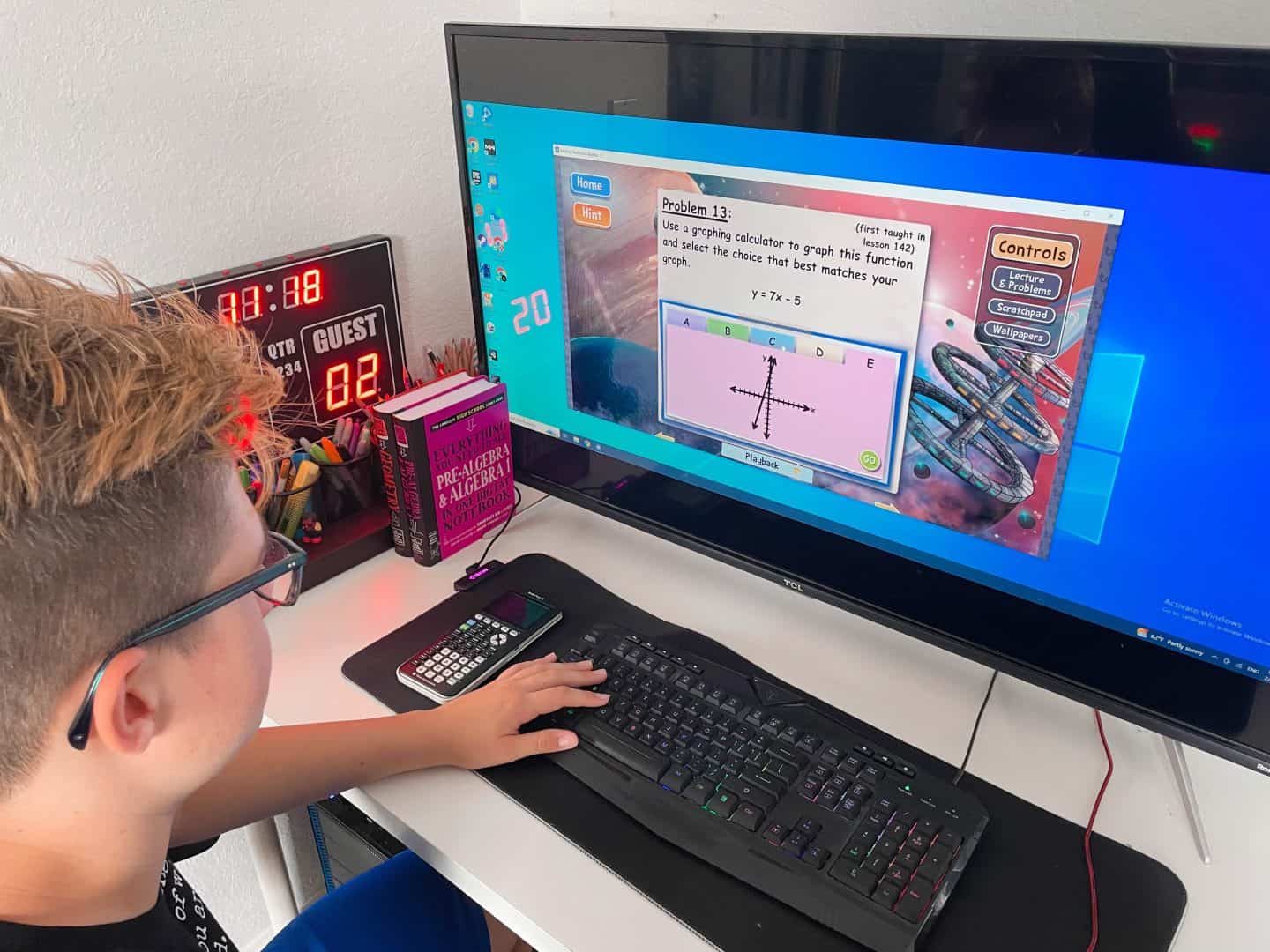
Math played a bigger role in our homeschool during the middle school years as concepts became more abstract and expectations increased. Finding a curriculum that offered clear instruction while allowing students to work more independently made a noticeable difference.
After trying several options, two programs stood out for consistency and clarity:
- Mr D Math – A strong choice for middle schoolers who benefit from direct teaching and structured lessons, particularly as topics move toward pre-algebra and algebra concepts.
- Teaching Textbooks – Worked well once independence increased, with self-paced lessons that allowed students to review mistakes without constant parent involvement.
To keep math from feeling monotonous, we occasionally added math board games for middle school. These worked best as reinforcement rather than core instruction, especially when motivation dipped.
Language Arts Curriculum
Language arts became more demanding during the middle school years as reading shifted toward deeper analysis and writing moved beyond short responses. If spelling is an area you’re still strengthening, this homeschool spelling curriculum guide walks through the programs that worked best for us.
Common Sense Press worked well for literature studies, especially as expectations increased. The lessons focused on comprehension, analysis, and connecting ideas across texts, which helped bridge the gap between elementary reading and more formal literary study.
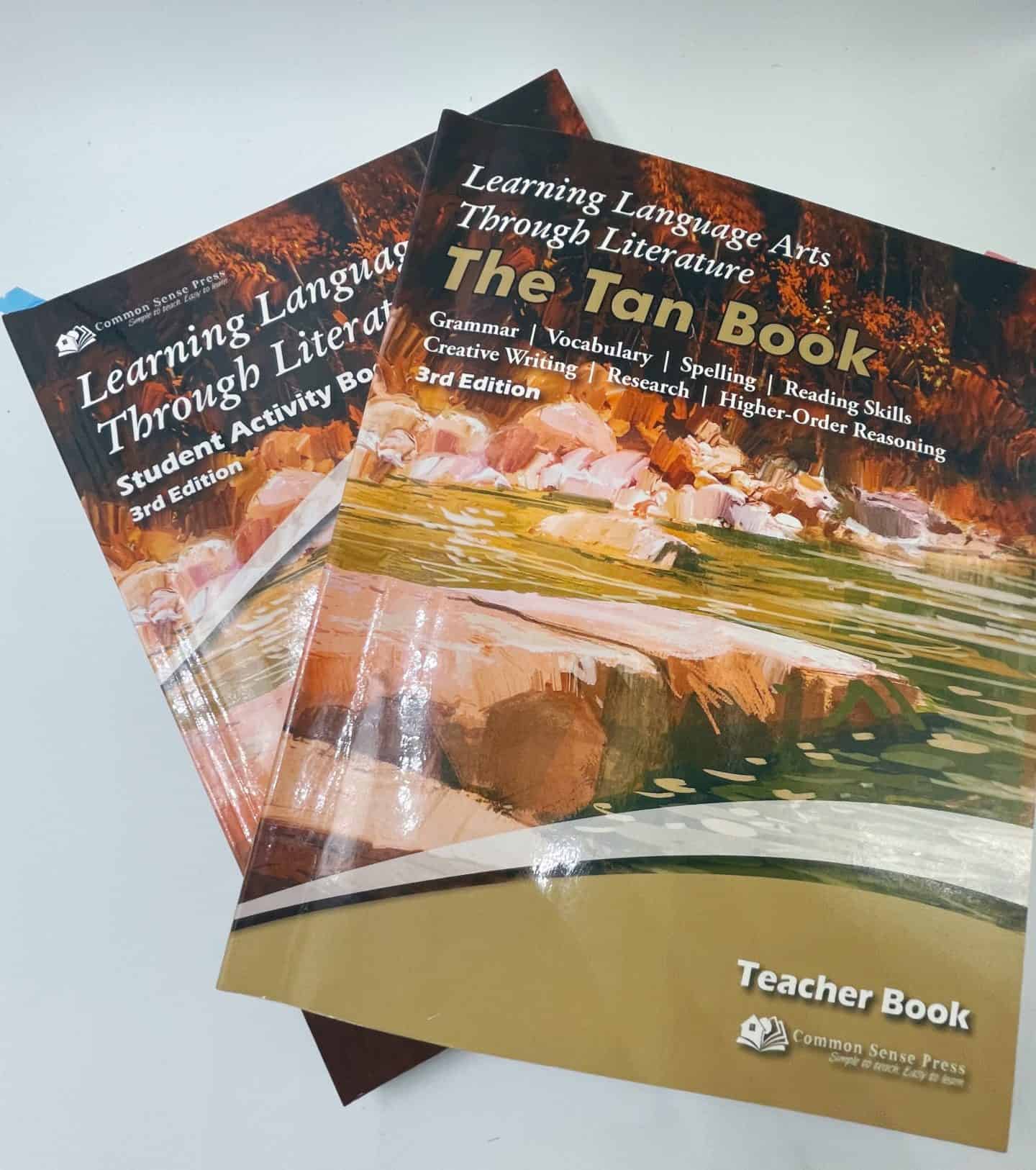
In addition to a core literature approach, these resources supported specific language arts skills:
- The Vocabulary Builder Workbook – Useful for building academic vocabulary without busywork.
- The Dragon Grammar Book – A lighter approach to grammar that still reinforced important concepts.
- Spectrum Language Arts workbook – Covered reading, writing, and communication skills in a straightforward format.
- Spectrum Spelling workbook – Helped reinforce spelling patterns through consistent practice.
- How to Read Literature Like a Professor: For Kids – Introduced literary concepts and symbolism in an age-appropriate way.
- Crash Course English Literature – Short video lessons that worked well for review and discussion.
- Ken Ludwig’s Shakespeare Book – A more approachable entry point for Shakespeare during middle school.
This combination allowed us to separate skills practice from literature study while gradually increasing independence and writing expectations.
History Curriculum
The best homeschool history curriculum shifts during the middle school years from simple timelines to understanding cause and effect, historical context, and how events connect across time. We looked for resources that encouraged reading comprehension, discussion, and written responses rather than memorization alone.
A combination of structured curriculum, independent reading, and occasional enrichment worked best for us:
- Middle Ages History Odyssey from Pandia Press – A solid, age-appropriate curriculum that combined reading, activities, and projects while introducing more analytical thinking.
- Sonlight – Although it includes religious content, its literature-based approach worked well for us and made it the only faith-based history program we used, since we typically prefer a secular homeschooling curriculum for most subjects.
- Mark Twain’s US History Workbook – Helpful for reinforcing key concepts through short readings and written exercises.
- Everything You Need to Ace World History – A clear reference for review and reinforcement.
- History books for middle schoolers – Used to deepen understanding and provide context beyond a single curriculum.
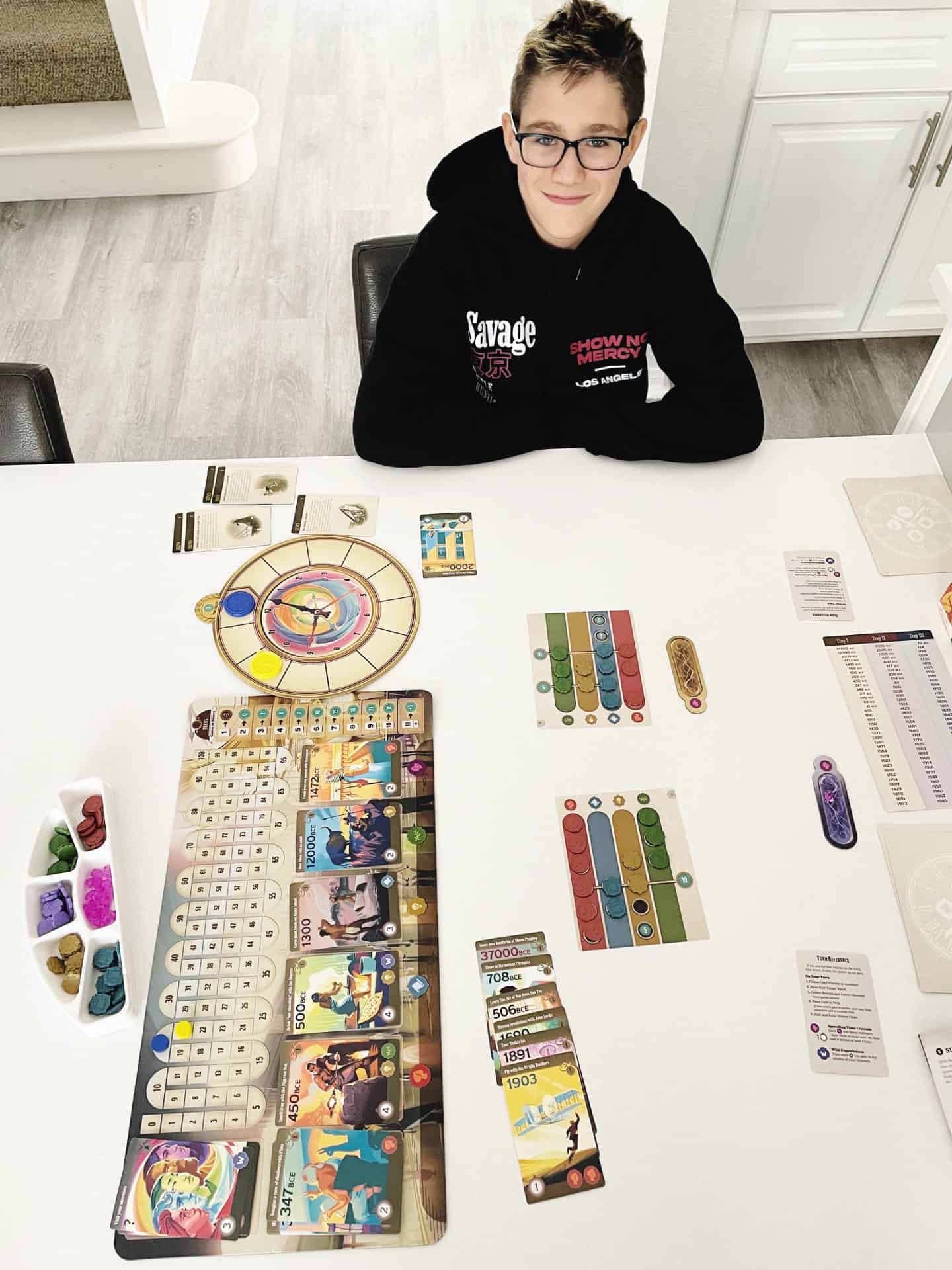
- History board games – Best for discussion and reinforcement rather than core instruction.
This mix allowed us to cover content more deeply while gradually increasing expectations for reading, discussion, and written work.
Financial Literacy
Middle school is a good time to introduce practical money skills alongside core academics, especially as kids start to understand real-world tradeoffs and responsibility. We treated financial literacy as a standalone subject rather than a daily core course.
Moneytime worked well as a structured introduction to budgeting, saving, and basic investing. The lessons were short, age-appropriate, and easy to fit into a weekly schedule without overwhelming everything else. You can read more about our experience in our Moneytime review.
To reinforce those concepts, we occasionally added money board games and targeted financial literacy worksheets. These worked best for practice and discussion, helping connect abstract ideas like credit, spending, and saving to real-life situations.
Geography Curriculum
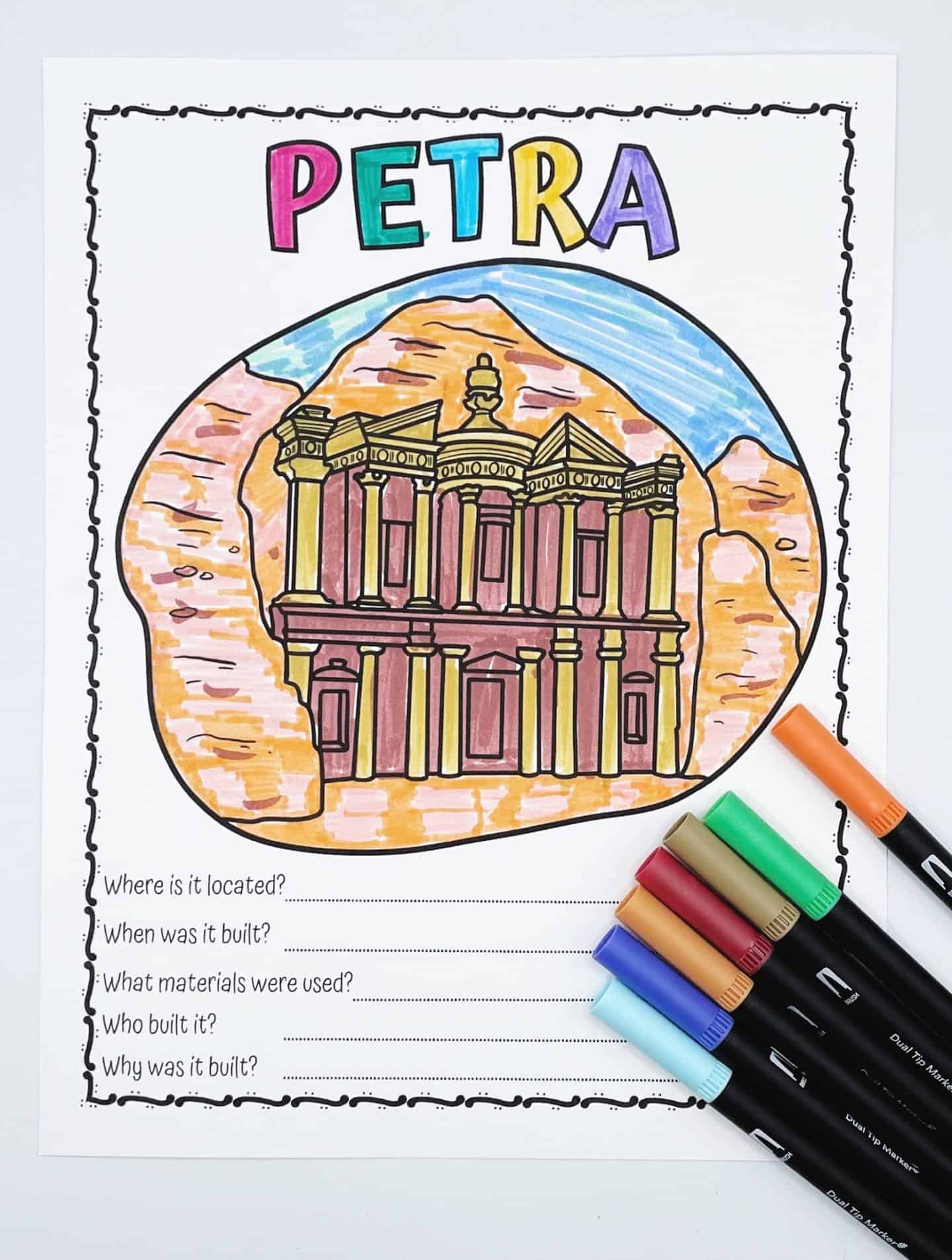
Geography during the middle school years shifted from simple map skills to understanding physical features, regions, and how geography influences culture, climate, and history within a broader social studies for homeschool approach.
Mark Twain’s Discovering the World of Geography Workbook worked well for structured practice, especially for reinforcing map skills and geographic terminology.
To support that foundation, we used a mix of targeted resources:
- Geography board games and map games for review and discussion
- State learning games to reinforce U.S. geography concepts
- Printable geography worksheets covering landforms, climate, and world regions
Combined with age-appropriate geography books, this approach allowed us to spread geography naturally across grades 6–8 without overloading the schedule.
Keyboarding
Keyboarding is a practical skill that becomes more important in middle school as written assignments and online coursework increase. We treated typing as a short, skills-based add-on rather than a full subject.
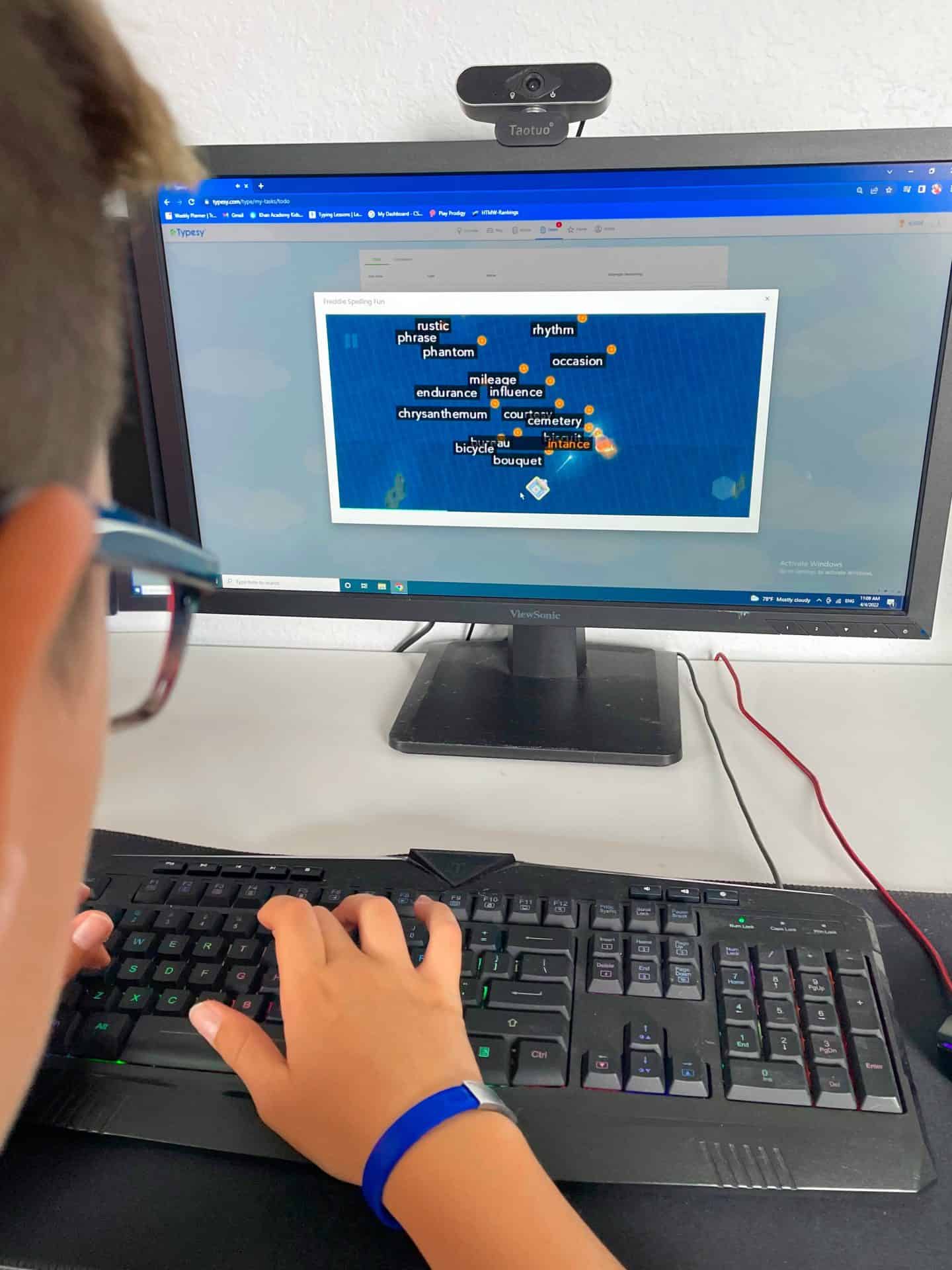
Typesy worked well for building speed and accuracy through short, self-paced lessons that were easy to fit into the week without disrupting core academics.
For a closer look at how we used it, see our homeschool typing curriculum review.
Music Appreciation
Music appreciation worked best for us as an elective during the middle school years rather than a core subject. It fit well as a short weekly focus or rotating unit alongside academics.
We explored composers, musical styles, and music history using a simple composer unit study, supported by composer worksheets for guided listening and note-taking. This kept the subject structured without adding unnecessary pressure to the schedule.
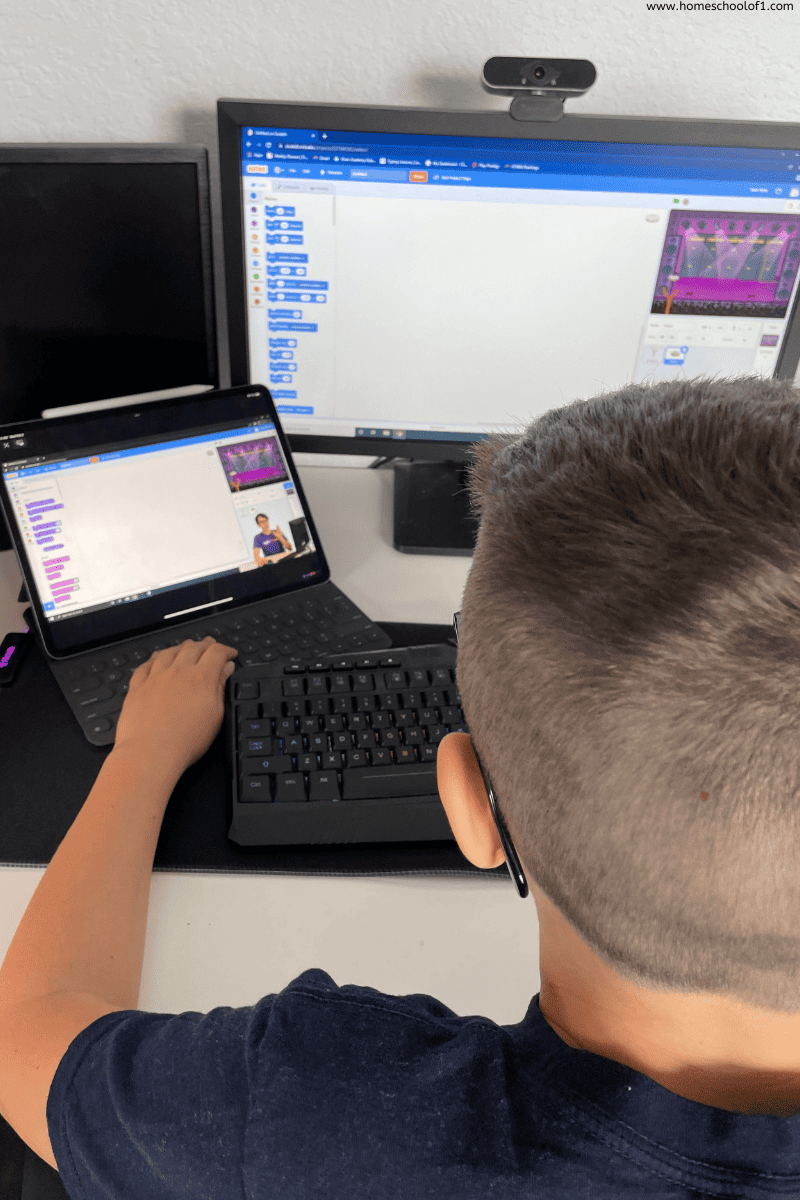
Coding
We treated coding as an elective during the middle school years rather than a required subject. It worked best as a low-pressure introduction to logic, sequencing, and problem-solving.
Free coding sites for middle school provided a flexible starting point, allowing students to explore basic programming, game design, and simple web projects without committing to a full curriculum. These worked well as short weekly sessions or interest-led projects alongside core academics.
Additional Middle School Resources
Once a core middle school homeschool curriculum is in place, supplemental resources can add flexibility without overcomplicating the schedule. These are tools we found helpful for filling gaps, adjusting pacing, or supporting specific grade levels.
- Interactive tools like connections-style review games worked especially well for subjects such as history, science, geography, and vocabulary because they encouraged more critical thinking than standard worksheets.
- Homeschool 6th grade curriculum – Curriculum options and supplements that work well during the transition into middle school.
- 7th grade homeschool curriculum – Resources suited to increasing independence and academic expectations.
- Free educational printables – Worksheets and activities to reinforce skills alongside core subjects.
- Free homeschool programs – No-cost options that can supplement learning when you need extra structure or review.
These resources are best used to support an existing plan rather than replace a full middle school curriculum.
Last Updated on 8 January 2026 by Clare Brown
