Secular Homeschool Curriculum for Every Subject and Grade


Finding a secular homeschool curriculum was one of the hardest parts of starting homeschool for us. When we began in 2018, I kept running into programs labeled “neutral” or “open-and-go” that still included religious content, and I got tired of digging through samples just to figure out what was actually non-religious.
Over the years, I’ve tested a lot of options with my son, from preschool through high school, and I’ve become much pickier about what makes it onto this list. I’m not just looking for curriculum that leaves religion out. I want resources that are engaging, academically solid, inclusive, and easy to use in real life.
This is the secular homeschool curriculum that has worked best in our home across different subjects and stages. Some of these are full programs, some are supplements, and some filled very specific gaps when I couldn’t find one perfect all-in-one option.
If you’re trying to build a non-religious homeschool that fits your child without spending hours second-guessing every program, these are the resources I’d start with.
**This post may contain affiliate links. As an Amazon Associate and a participant in other affiliate programs, I earn a commission on qualifying purchases.**
Our Most-Used Secular Homeschool Programs
These are the secular homeschool programs we’ve come back to the most in our home. I have used some as core curriculum and others to fill specific gaps when I could not find one program that did everything well.
- Real Science Odyssey – One of my favorite secular science options because it is hands-on, easy to teach, and doesn’t feel watered down.
- History Odyssey – A strong fit if you want history to be more than memorizing facts. It leans more into research, reading, and critical thinking.
- Mr D Math – This has been especially helpful for subjects where I wanted outside teaching support and better accountability.
- Typesy – The only typing program my son stuck with long enough to actually complete.
- Outschool – Great for adding classes that match your child’s interests or for outsourcing subjects you do not want to teach yourself.
- Moneytime – A practical option for teaching personal finance in a way that feels relevant and manageable.
- Adventure Academy – A good fit for kids who want more independence and structure without everything feeling like formal lessons.
History
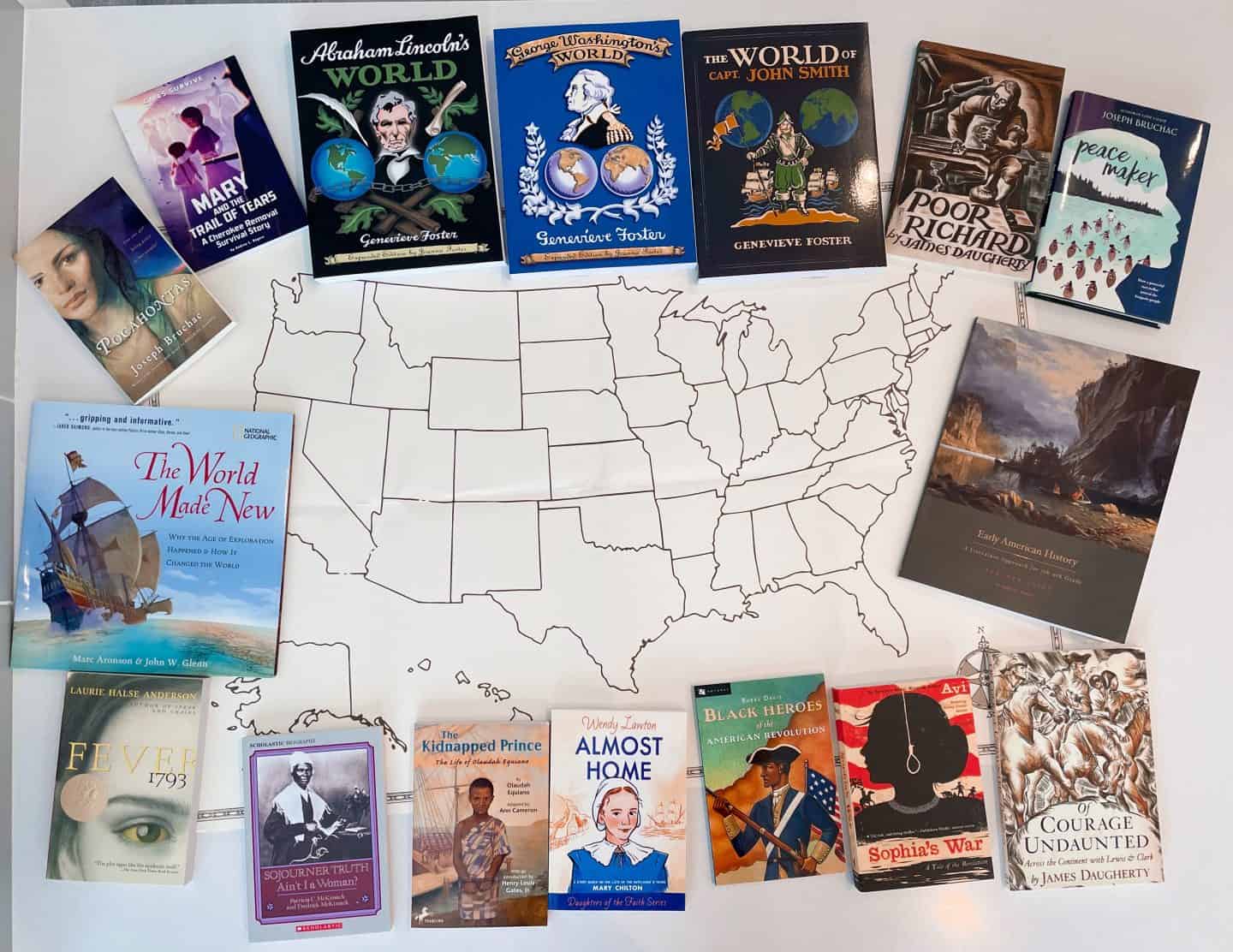
Finding a truly secular history curriculum took some trial and error. I wanted programs that were accurate, engaging, and completely free from religious bias. Over time, these stood out as reliable options for teaching history at home.
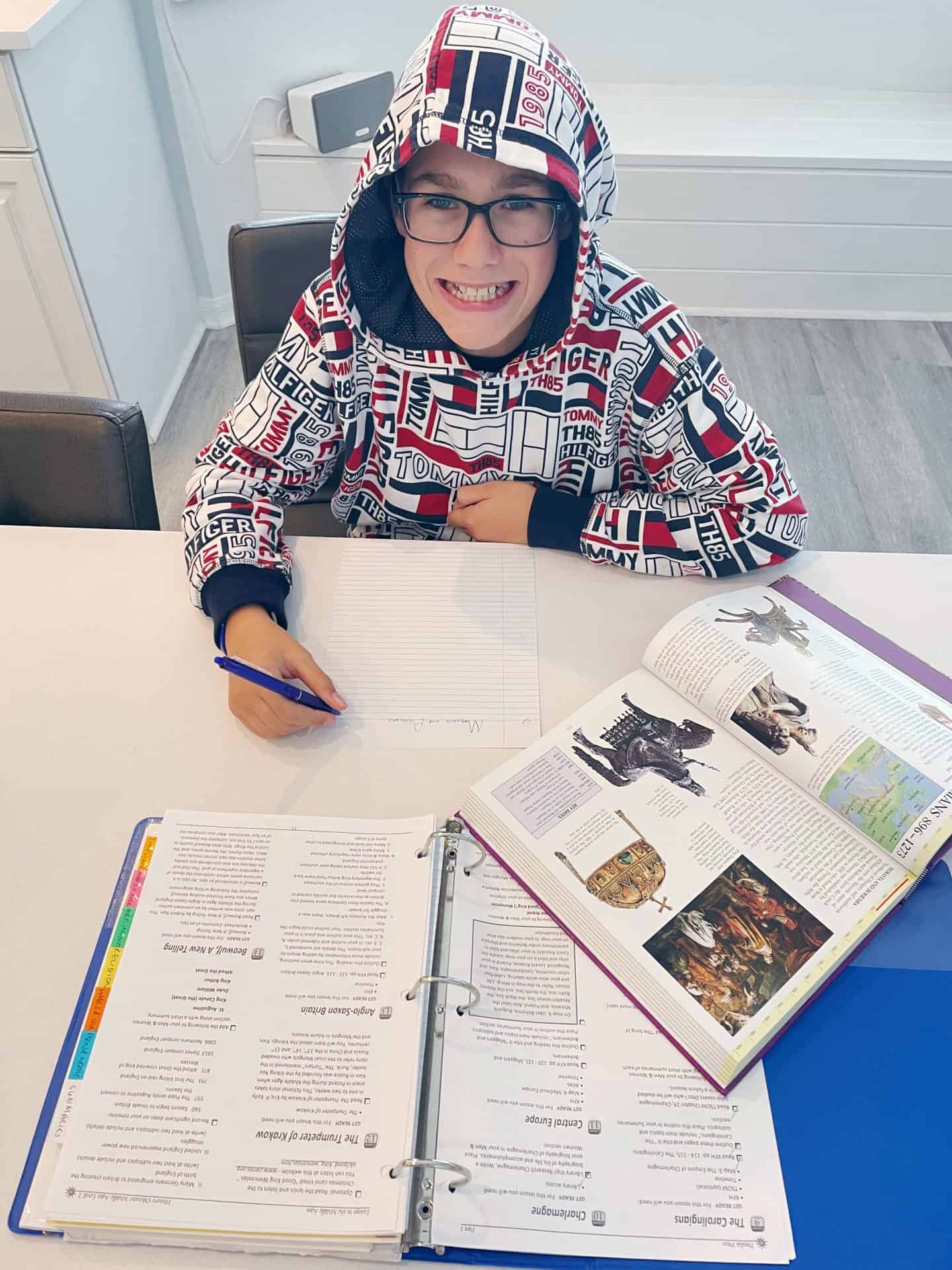
- History Odyssey – Great for grades 6–12. It’s project-based and research-heavy, which worked well when my son wanted something more independent. [Check out our History Odyssey review.]
- History Quest – A strong fit for grades 1–6. My son enjoyed the storytelling format, and the hands-on projects helped bring it all together.
- Curiosity Chronicles – Covers world history from a global perspective. It’s written with humor and clarity, which kept things from feeling like a textbook.
- Horrible Histories – Not a full curriculum, but a fun way to make history stick. The humor really worked for us during upper elementary years.
- US History with Blossom & Root – A newer favorite for American history in K–8. The art and literature integration made it more engaging than just dates and facts.
- Everything You Need To Ace World History – Simple, organized, and great for review or independent study in middle school.
- Crash Course – We used this a lot during our middle school homeschool years and into high school. The videos are fast-paced and packed with context, definitely one to preview with your kids.
- Khan Academy – Still one of the most comprehensive free options out there. Works well as a supplement across all ages.
- Curiosity Stream – If your learner loves visual content, the documentaries here are a great way to deepen understanding. [Read our Curiosity Stream review.]
- Outschool – We’ve taken a few themed history classes here. A nice option for specific topics or when we wanted interaction with a live teacher.
Science
Science has probably been the trickiest subject for us to get right. I wanted something hands-on and engaging, but also truly secular, without any hidden creationism or “faith-based” language. These are the resources we’ve used and recommend:
- Real Science Odyssey – Still our go-to for structured, secular science. It’s inquiry-based and packed with experiments. My son liked the mix of reading, labs, and journaling. [Read our Real Science Odyssey review.]
- BrainPOP – The animated videos explain tricky topics in a way that actually sticks. We used this a lot in upper elementary. [Read our BrainPOP review.]
- Everything You Need to Ace Science – A great middle school supplement. My son liked how the layout made it easy to review key concepts without being overwhelming.
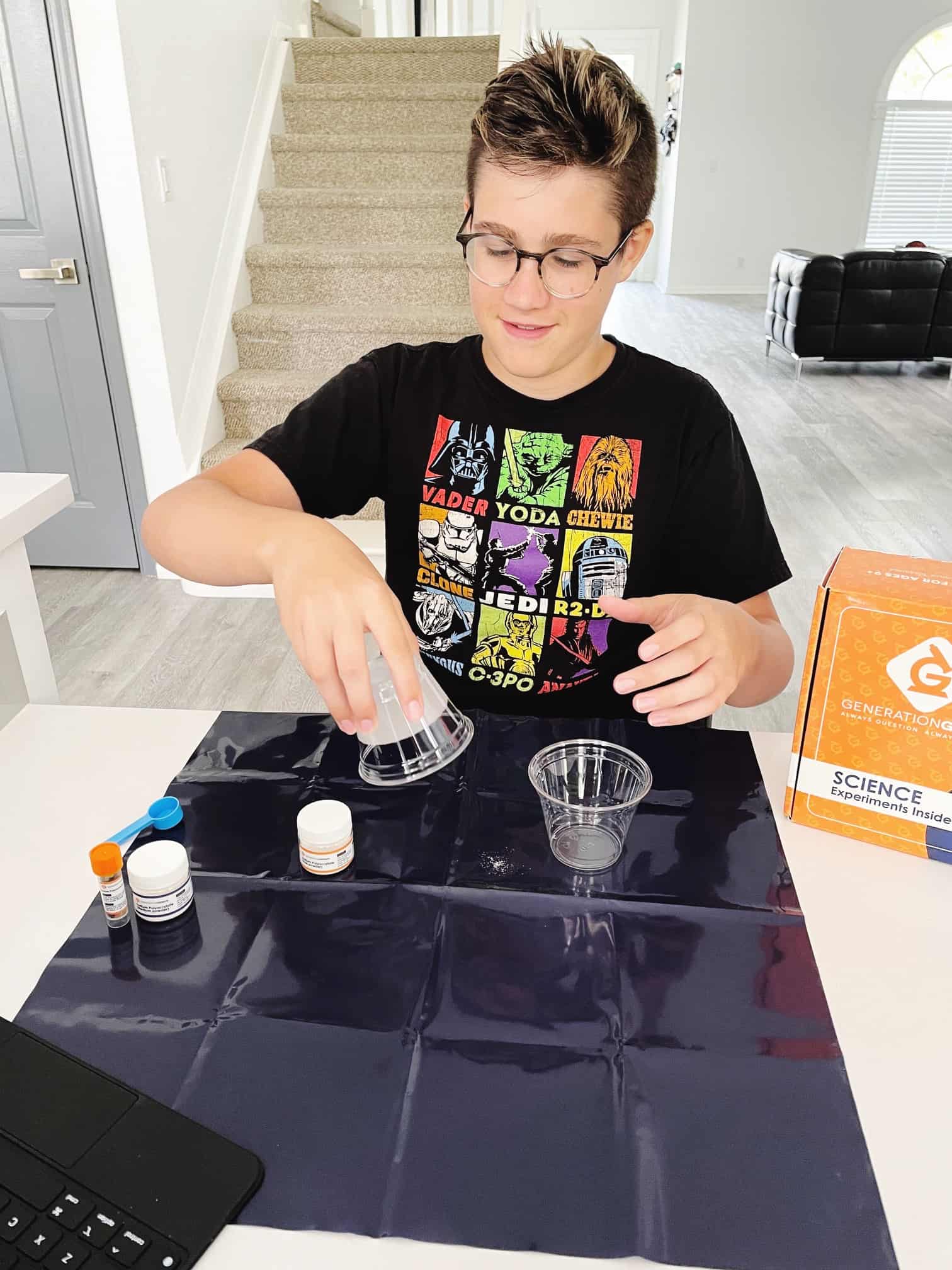
- Mel Science – A subscription box with legit experiments. These feel more like “real science” than crafts, and the app adds extra value. [Check out our Mel Science review.]
- KiwiCo Tinker Crate – Monthly STEM kits that are fun and genuinely educational. We’ve used these for years, especially when I needed something open-and-go.
- Crash Course – The science series is best for older kids. It’s fast-paced and thorough, but sometimes we’d watch together and pause to talk things through.
- Outschool – We’ve joined a few science classes here over the years, especially when I wanted someone else to lead the lesson or explain a concept differently.
- Adventure Academy – This has a lighter touch, but worked well as a supplement when we wanted something academic without the pressure of tests.
- Global Village School – Offers a complete secular online curriculum that integrates environmental science, sustainability, and global awareness. It’s a great fit for families who want science taught through a modern, inclusive lens.
Math
Most homeschool math programs are already secular, but finding the right one still took some trial and error. These are the options we’ve used and liked best over the years:
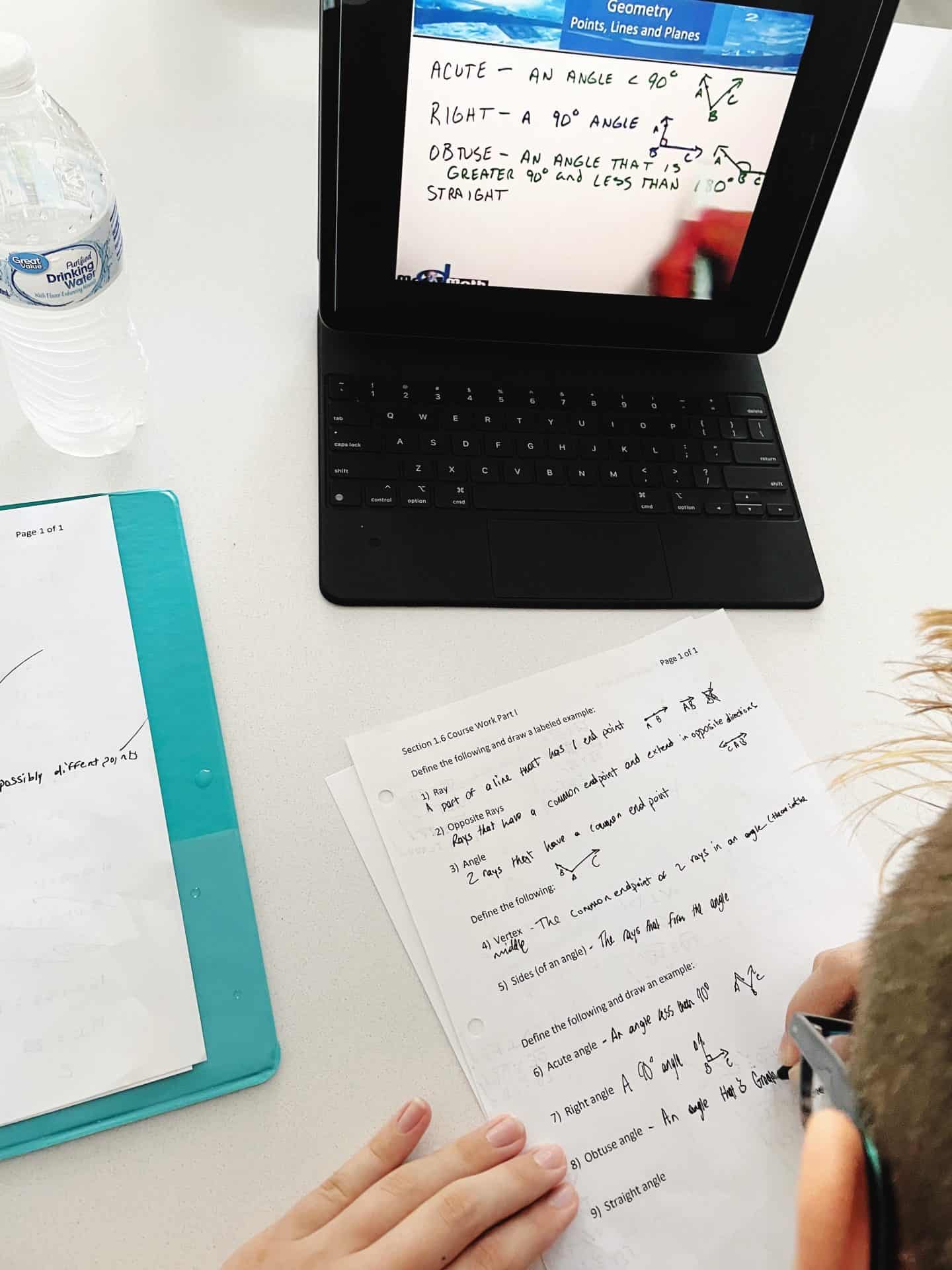
- Mr D Math – This has been our top pick for upper grades. My son liked the live class option and how clearly everything was explained. We also used it for ASL and economics.
- IXL – We’ve used this on and off for practice and assessments. It’s great for independent review, and the diagnostic tools are genuinely helpful.
- Teaching Textbooks – Super user-friendly and ideal if your child prefers working independently. The auto-grading saved me a lot of time. [Read our Teaching Textbooks review.]
- Beast Academy – Perfect for kids who love puzzles and want a challenge. The comic book format made advanced math way less intimidating.
- Everything You Need To Ace Math – This notebook worked well in middle school when we needed a simple overview or refresher.
- Rounded Schoolhouse – A newer option we’ve tried that includes secular math alongside other core subjects. Nice for families looking for an all-in-one setup.
- YouCubed – Created by Stanford professor Jo Boaler, these lessons focus on problem-solving and creative thinking instead of rote memorization. We’ve used them alongside other programs to make math more visual and engaging.
Language Arts
Language arts has always been a mix-and-match subject for us. We’ve tried quite a few secular options over the years. Some focused on writing, others on grammar or literature. Here are the ones that actually worked in our homeschool:
- Institute for Excellence in Writing (IEW) – Structured and effective. It helped my son become a more confident writer, especially in upper elementary and middle school.
- Learning Language Arts Through Literature – A gentle, literature-based program we used early on. It ties reading, writing, and grammar together in a low-pressure way. [Here’s why we like it as our secular homeschool literature pick.]
- Everything You Need to Ace English Language Arts – My son liked how visual and straightforward this was. Great for middle school review or as a spine to build from.
- Spectrum Language Arts – These were easy to work into our routine. They cover grammar, writing, reading comprehension, and vocabulary by grade level.
- Night Zookeeper – An interactive writing platform that really clicked during the creative writing phase. The prompts and feedback made it feel more like a game. [Read our Night Zookeeper review.]
- WriteShop – This gave us more structure when we needed it. The lessons were broken down into manageable chunks that didn’t feel overwhelming. [Check out our WriteShop review.]
- ABCMouse – Great for early learners. We used it mostly for pre-K to 1st grade as a way to reinforce phonics and early reading skills. [Read our ABCmouse review.]
- Michael Clay Thompson (MCT) – This one is thorough. It’s a full language arts program with grammar, vocabulary, writing, and literature. We used it in middle school.
- Brave Writer – More of a lifestyle than a curriculum. It encourages writing through connection and conversation, which worked well when we wanted a break from formal lessons.
- Critical Thinking Company – A great supplement for grammar, vocabulary, and reading comprehension. The exercises build logic and reasoning skills without feeling like busywork.
- Build Your Library – Though it’s often seen as a full curriculum, its literature-rich approach works beautifully for language arts alone. It pairs history and reading in a way that encourages deep discussion.
- Beyond the Page – Ideal for creative and advanced learners. The literature units emphasize writing, analysis, and critical thinking, while keeping lessons open-ended and project-based.
Also, check out our favorite secular spelling curriculum picks, they’ve been a great addition to our language arts lineup.
Art & Music
Incorporating art and music into our homeschool has been one of the most rewarding parts of the week. These secular resources have made it easy to stay creative without needing a formal background in the arts.
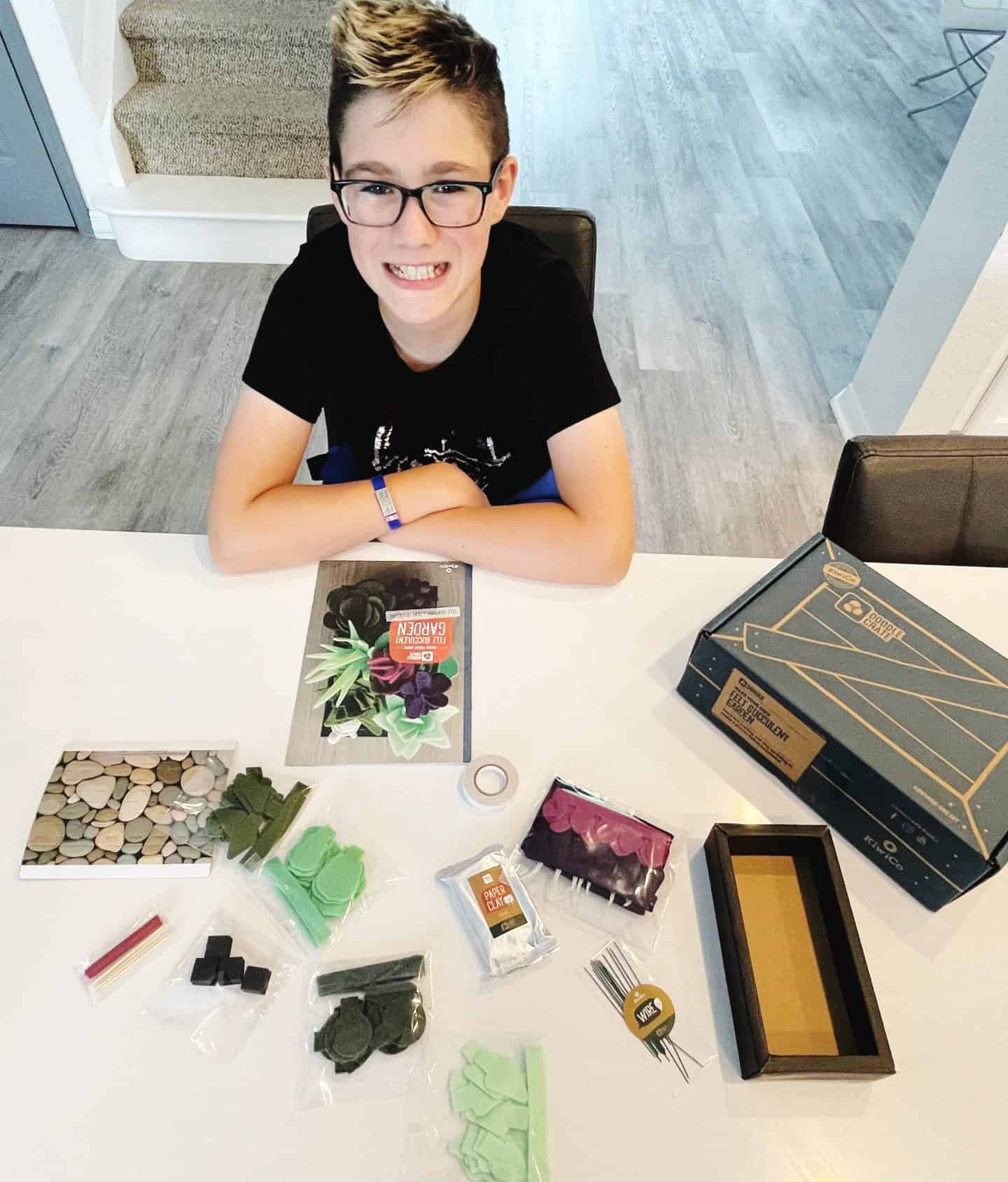
- KiwiCo Doodle Crate – We’ve used these crates for years. The projects are fun, open-ended, and my son always looked forward to them.
- Meet the Great Composers – A gentle way to introduce classical music. We used it in elementary years to build awareness of famous composers and their work.
- Music and How it Works – A great pick for curious kids who want to understand the structure behind music. It helped us bridge the gap between listening and learning.
- YouTube & Free Sites – Channels like Draw So Cute and Babble Dabble Do became our go-to for quick, creative art lessons. No prep needed, just fun and easy projects.
- Google Arts & Culture – For virtual field trips to museums and galleries, this has been a favorite. It’s also great for art history tie-ins.
If you’re just getting started with art or music, even a weekly creative break can go a long way, these tools helped us make it part of our regular rhythm.
Foreign Language
Finding a secular foreign language curriculum that’s engaging and age-appropriate took some time. We’ve used a mix of structured programs and casual tools depending on our son’s interest and level.
- Lingopie – This was a game-changer for us. It turns TV shows into interactive lessons with flashcards and quizzes built in. My son actually wanted to practice Spanish with it. [Check out our review of Lingopie.]
- Japanese from Zero – A solid beginner course. We liked how it introduced the basics step-by-step without being overwhelming. It’s our top pick for learning Japanese at home.
- Spanish Workbook (Grades 6–12) – A traditional workbook, but it paired well with other online tools when we wanted offline practice.
- Duolingo – Free, simple, and effective. We’ve used this for Spanish and French. It’s not a full curriculum, but it’s been a helpful supplement, especially on busy days.
We’ve found that keeping language learning fun and consistent is more important than choosing the perfect Spanish for homeschool program. Mixing in videos, games, and practice apps helped us stick with it.

Geography & Social Studies
We’ve found that geography and social studies work best when they’re hands-on and connected to real-world experiences. These secular resources helped make the subjects more engaging and meaningful in our homeschool.
- Let’s Go Geography – This was a fun way to “travel” the world from home. Each unit includes crafts, music, and stories that helped my son remember the material.
- 180 Days of Social Studies: Geography (6th Grade) – A simple workbook that we used for independent practice. It’s not flashy, but it covers key concepts clearly.
- Printable Geography Worksheets – We’ve used these to reinforce topics or as quiet time activities. They work well alongside any program.
We also mixed in geography board games, trivia, and geography books to make learning more interactive. It’s one of those subjects where variety really helps it stick.
FAQs
It’s a curriculum that doesn’t include any religious content or faith-based teachings. It focuses entirely on academics, math, science, reading, history, without religious influence. That makes it a better fit for families who want a neutral or inclusive approach to learning.
Accreditation usually applies to schools, not individual curricula. However, some secular programs (like Mr. D Math) are used by accredited online schools or umbrella programs. If accreditation matters for your state or future plans, check local requirements and whether the provider partners with an accredited option.
Yes! Khan Academy is one of our favorites. It’s completely free and covers core subjects for all ages. We’ve also used free printables, YouTube channels, and open educational tools alongside paid programs.
Check the publisher and look for keywords. If a curriculum mentions “faith-based,” “biblical worldview,” or “Christian values,” it’s not secular, even if the content seems neutral at first glance. Reading reviews from other secular homeschoolers can help you avoid surprises.
Have you used a secular curriculum not listed here? Tell us in the comments and we’ll review it in our next update.
Last Updated on 8 April 2026 by Clare Brown

My favorite language arts curriculum is never on any lists. Happy Cheetah is absolutely fantastic. Especially for struggling readers.
Hello there! Thank you so much for sharing your recommendation. It’s always great to discover hidden gems that might not make it to the mainstream lists. Happy Cheetah sounds intriguing, especially for those who are struggling with reading. I’ll definitely look into it and perhaps include it in a future update of my list. It’s wonderful to have a diverse range of options to cater to different learning needs. Thanks for contributing to the discussion! ?
Curious if you e looked into Layers of Learning for any of these. I feel it’s pretty secular. Just an idea it might be one to add 🙂
No, actually I have not heard about it. I will for sure check it out though. Thanks for sharing
Thank you for sharing this! It is so hard to find real science and history. I want my kids to understand world history and both Lifepac and Christian light are so religiously driven I feel like I am just teaching them from a Bible. I don’t mind giving my kids good christian morals but there is more to life and history than what is in the bible. I think I drew the line on their ideas of ‘science’ when they called it a ‘food tube’. Seriously? And this is geared for 3rd grade? How good is an education when you can’t even use correct terminology that is age appropriate? Anyways, thank you a ton! I will be using this for our 4th grade.
I came here to find ideas for secular science ideas for next year. I just wanted to mention another reason for looking for secular options is that someone may be a part of a charter homeschool (that’s our main reason, though we aren’t religious either).