Board Games for Kids by Age and Subject (3-12 Years)

Board games have been one of the easiest ways to get real learning done without it feeling like “school” in our house.
We’ve tried loads over the years, some were one-and-done, and some ended up getting pulled out so often they basically lived on the table.
To make this easier for you to browse, I’ve grouped our favorites by age and by what they’re good for (math, words, logic, strategy, and more).
Whether you want screen-free learning, a solo option, or something the whole family will actually play, you’ll find plenty of solid picks below.
**This post may contain affiliate links. As an Amazon Associate and a participant in other affiliate programs, I earn a commission on qualifying purchases.**
Top Board Games Kids Keep Coming Back To
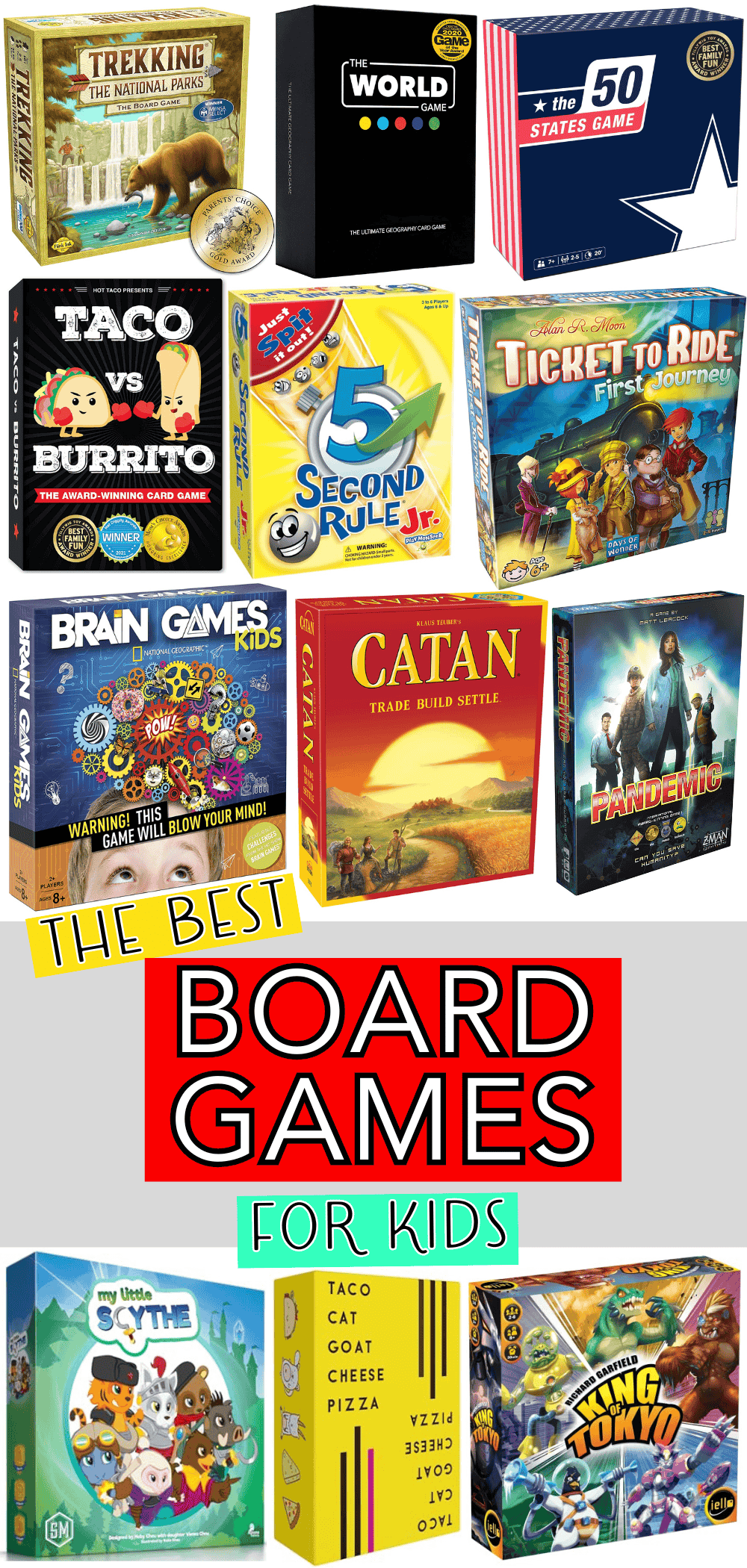
If you just want a quick shortlist, these are some of the games that have been big hits in our house and with friends:
- Muffin Time
- Gravity Maze Marble Run
- What Do You Meme?
- Kids Create Absurdity
- Sussed
- Taco vs Burrito
- The World Game
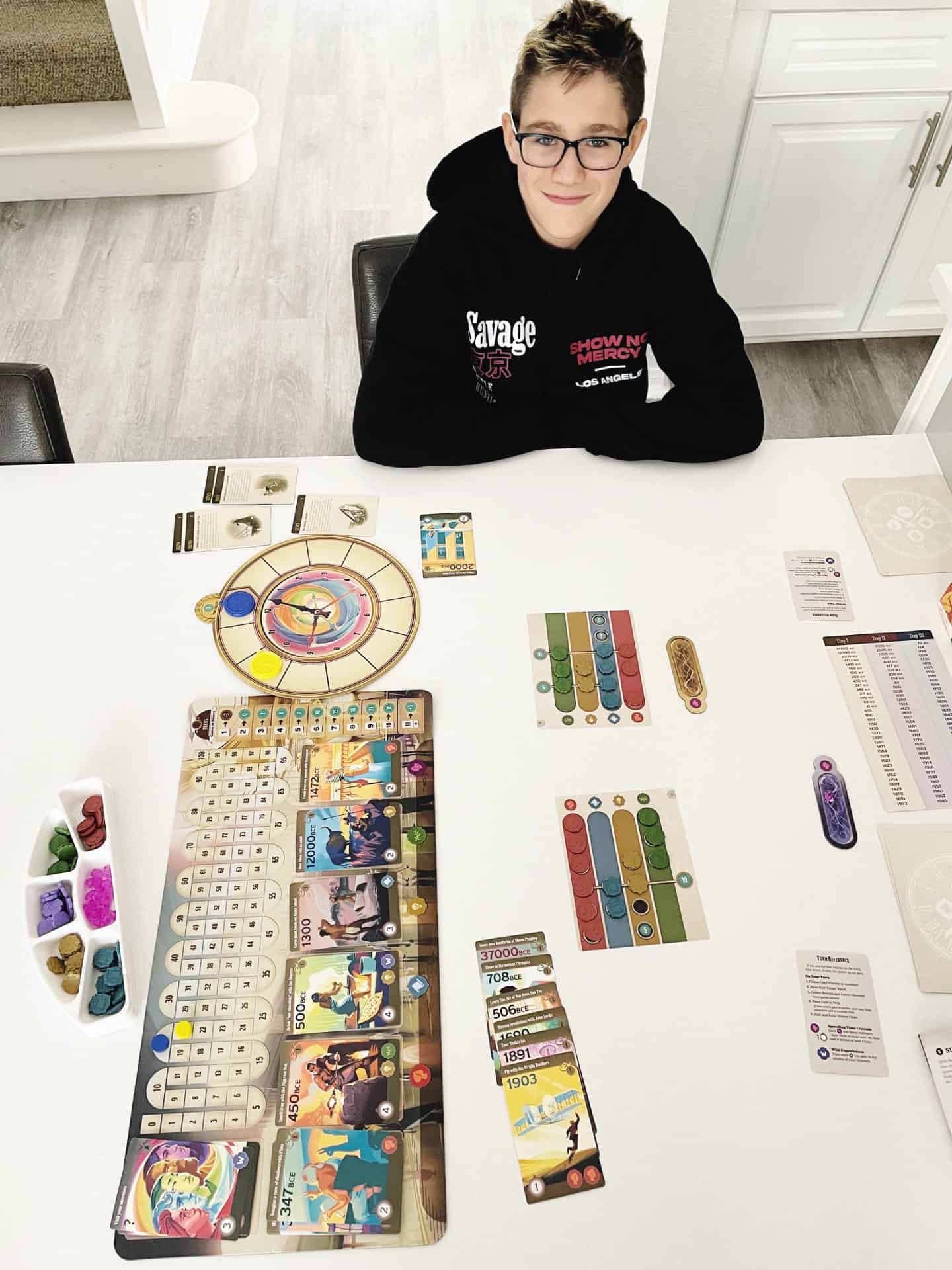
- Chronology
- The Game
Best Board Games for Kids by Age
Board games do a lot more than fill time. They teach turn-taking, frustration tolerance, and flexible thinking, plus you get that rare win of everyone sitting together doing the same thing.
I’ve grouped these by age so you can jump straight to what’s realistic right now (and skip the stuff that looks great on the box but falls flat at the table).
Toddlers and Preschoolers (Ages 2-5)
Introducing younger kids to board games helps develop early skills while keeping them entertained. Games for this age group are simple but fun, designed to engage their creativity and learning.
If you’re playing with toddlers, start with simple board games for two year olds that focus on colors and quick turns.
Around age three, kids are usually ready for board games for three year olds that encourage sharing and cooperation.
By four, many enjoy interactive games for preschoolers with a little imagination built in.
Five year olds often love board games for five year olds that mix learning with fun.
Once kids reach school age, board games for kindergarteners are great for building social and academic skills.
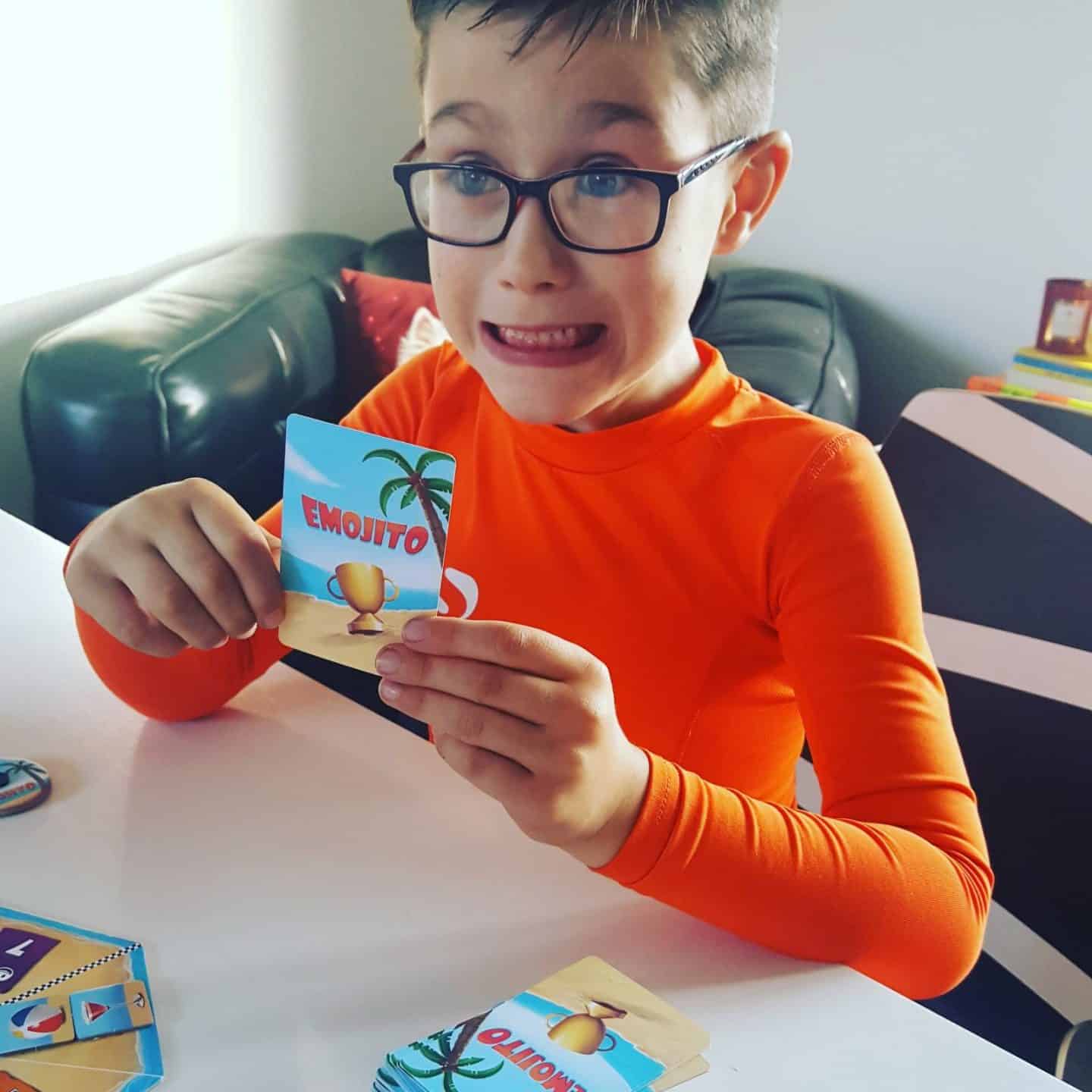
Elementary Kids (Ages 6-12)
Once kids hit elementary school, games can get a little deeper. This is where strategy starts to matter, teamwork becomes fun instead of frustrating, and playtime often turns into full family game nights.
Around six, many kids enjoy board games for six year olds that introduce simple strategy without feeling overwhelming.
By seven, games for seven year olds often focus more on planning, problem-solving, and thinking a few steps ahead.
Eight year olds usually gravitate toward board games for eight year olds that have clearer rules and a bit more challenge built in.
At nine, kids tend to love strategy-style board games for nine year olds that feel competitive but still fun.
By ten, board games for ten year olds often mix creativity, logic, and longer gameplay.
Eleven year olds are usually ready for more immersive board games for eleven year olds with richer themes and decision-making.
And by twelve, many preteens enjoy board games for twelve year olds that use deeper strategy and more complex mechanics.
To keep turns fair, especially with larger groups, we often use our Random Name Picker Wheel alongside these games.
Teens and Solo Play
As kids get older, games tend to shift toward strategy, competition, and sometimes the option to play on their own. This mix works really well for teens who like deeper gameplay but still enjoy something social with friends or family.
For group play, board games for teens often focus on immersive themes, long-term strategy, and a bit of friendly rivalry.
If you’re looking for something quicker and lighter, card games for young adults are great for casual game nights and travel.
And when someone wants to play independently, single player board games are perfect for quiet challenges and solo problem-solving.
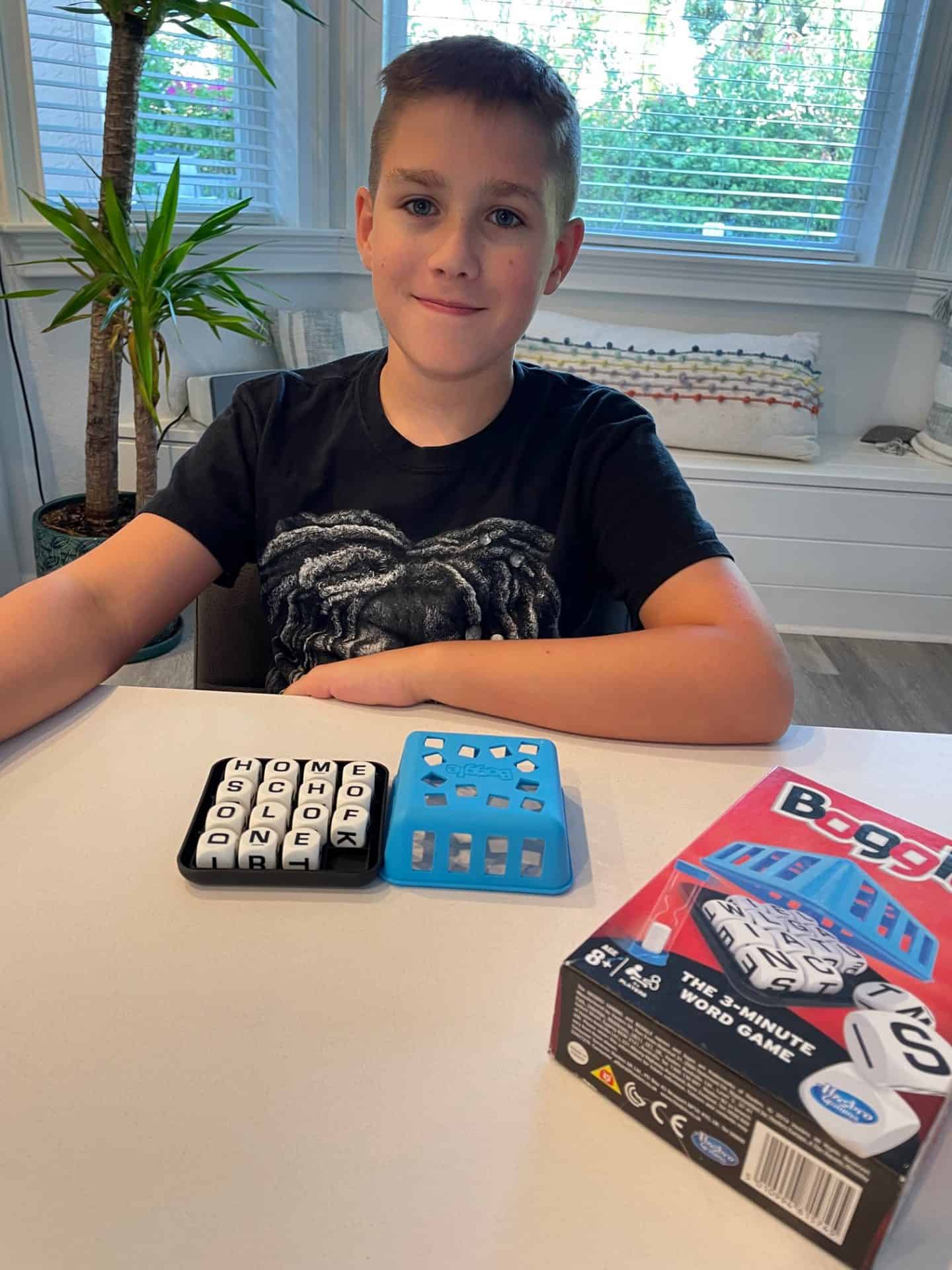
Educational Board Games
Some of our favorite games over the years have doubled as learning tools without ever feeling like schoolwork. When a game is fun enough, kids don’t even notice they’re practicing math, reading, or problem-solving.
I’ve grouped these by subject to make it easy to find something that fits what you’re working on, whether that’s numbers, words, science, or strategy.
Math and Strategy Board Games
Math-focused games are great for sneaking in practice while keeping things playful. We’ve used everything from quick number games to longer strategy-style ones, depending on age and attention span.
If you’re working on basic skills, math board games for kids are an easy way to practice counting and simple arithmetic.
And when you want something that mixes learning with deeper thinking, strategy board games for families are perfect for playing together.
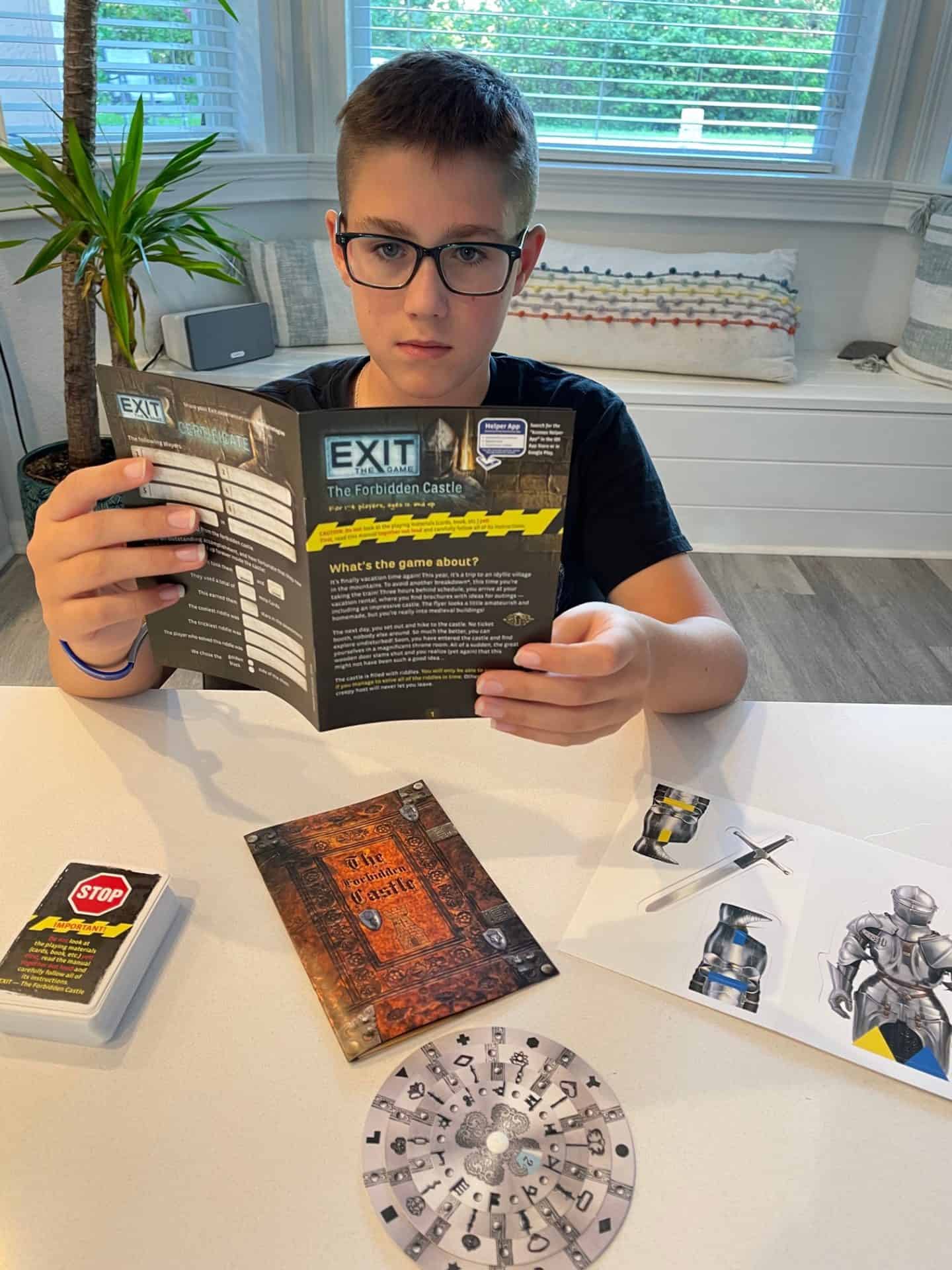
Social Studies Board Games
Some of the most memorable games we’ve played have been the ones that quietly taught real-world topics along the way. From exploring maps to learning about history and science, these games make big subjects feel approachable and fun.
If your kids enjoy hands-on learning, science board games for kids are great for introducing concepts like ecosystems, space, and simple experiments.
For storytelling and historical themes, history board games turn past events and timelines into something kids can actually interact with.
For government and citizenship topics, our favorite civics games make concepts like elections, government, and civic responsibility much easier to explore through play.
And for geography lovers, travel-themed board games, including world map games for kids and state-based games, are a fun way to learn about places, landmarks, and cultures.
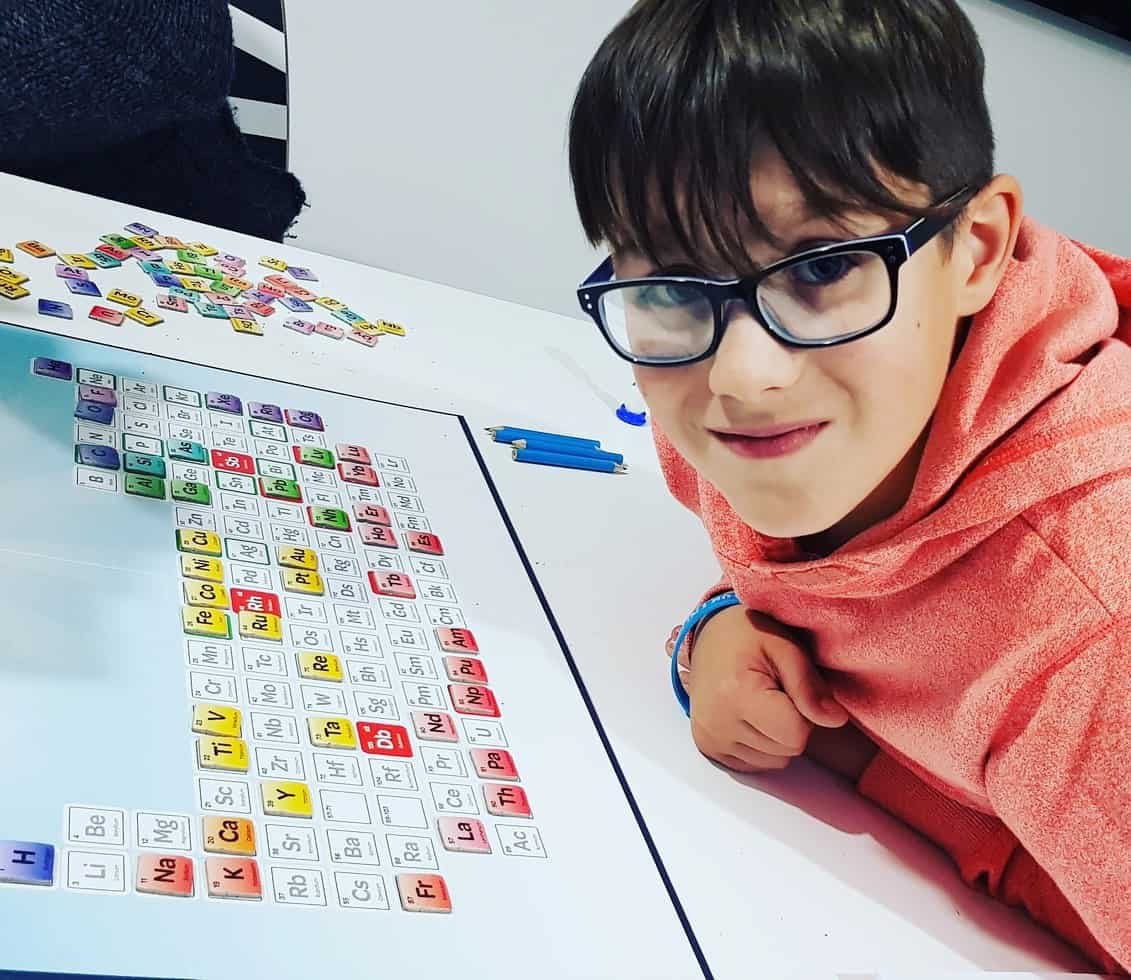
Additional homeschool games
Some of our favorite games go beyond pure fun and sneak in real-life skills like teamwork, problem-solving, and money sense.
For language development, word association board games are great for building vocabulary while keeping things light and playful.
To introduce budgeting and everyday math, money-themed board games help kids practice counting, spending, and decision-making in a hands-on way.
If your family enjoys puzzles and working together, at-home escape room board games bring the excitement of escape rooms into your living room.
And when you’re looking for learning across multiple subjects, homeschool-friendly board games are a simple way to mix education with play.
Seasonal Board Games
Some games just feel better at certain times of year, cozy winter nights, spooky October evenings, or family gatherings around the holidays.
We’ve started pulling out themed games to match the season, and it’s become a fun tradition that keeps game nights feeling fresh all year long.
If you’re looking to add a seasonal twist to your collection, these roundups are a great place to start:
Halloween board games for spooky (but still kid-friendly) fun
Thanksgiving board games that work well for family gatherings
Christmas themed board games for cozy holiday nights
Winter themed board games perfect for snowy days and long evenings indoors
At What Age Can Children Start Playing Board Games?
One thing I’ve learned is that there’s no perfect age to start board games, it’s more about finding games that match where your child is right now.
Some kids jump in early with simple matching and counting games, while others really get into strategy as they get older. Starting small and building up has worked best for us, and it’s made game nights something we all actually look forward to.
Last Updated on 25 March 2026 by Clare Brown
