
Best STEM Subscription Boxes for Kids (Tried & Tested)


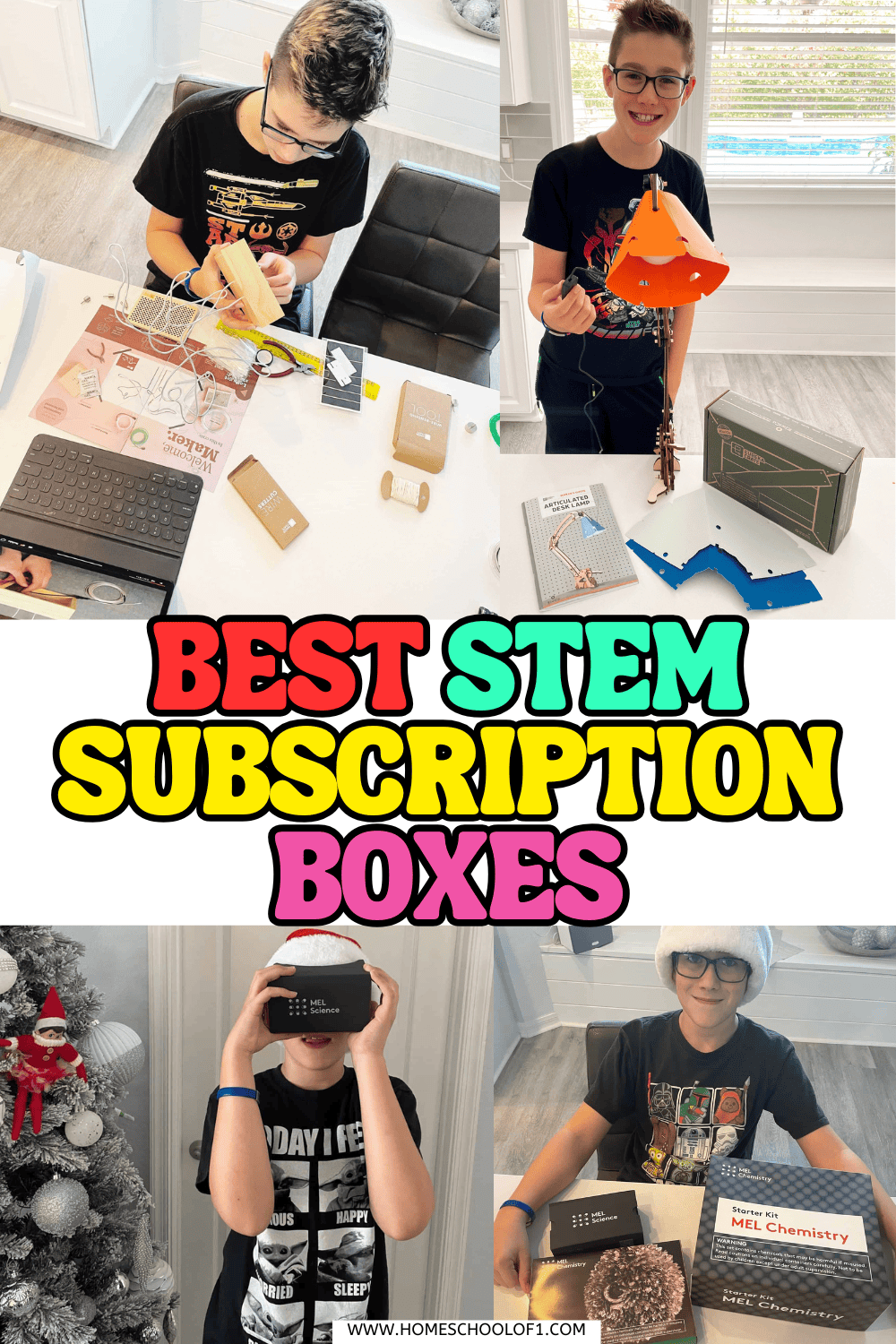
STEM subscription boxes have been part of our science learning for years, and we’ve personally worked through dozens of kits from KiwiCo and MEL Science.
We’ve built engineering projects with KiwiCo, carried out MEL Chemistry experiments, tried the VR science lessons, and tested boxes aimed at different ages. So rather than simply comparing what each company says it offers, I can tell you what these monthly STEM kits are actually like to use.
Below, I’ve compared our favorite STEM subscription boxes for kids, including what you get, the ages they’re best suited to, and which I’d choose for science, engineering, coding, and younger learners.
**This post may contain affiliate links. As an Amazon Associate and a participant in other affiliate programs, I earn a commission on qualifying purchases.**
Quick Comparison of the Best Monthly STEM Kits
| STEM box | Best for | Ages | Main focus |
|---|
| KiwiCo | Best overall | 0–16+ | Engineering, science & creative projects |
| MEL Science | Chemistry & Physics | 5–16+ | Chemistry, physics & hands-on experiments |
| Bitsbox | Coding | 6–12 | JavaScript & app building |
| Green Kid Crafts | Younger kids | 3–10 | Science, nature & art |
KiwiCo STEM Subscription Boxes – Best Overall
We’ve tried several KiwiCo STEM subscription boxes over the years, including Tinker Crate and Eureka Crate for engineering projects, as well as Panda, Koala, and Atlas Crates when my son was younger.
The biggest advantage of KiwiCo is the variety. There are monthly STEM kits for different ages and interests, covering everything from engineering and science to art and creative projects.
Each crate includes the materials needed for the project, clear instructions, and information explaining the science or engineering behind the build. I particularly liked that they even included little things such as batteries, so we weren’t halfway through a project before realizing we needed something else.
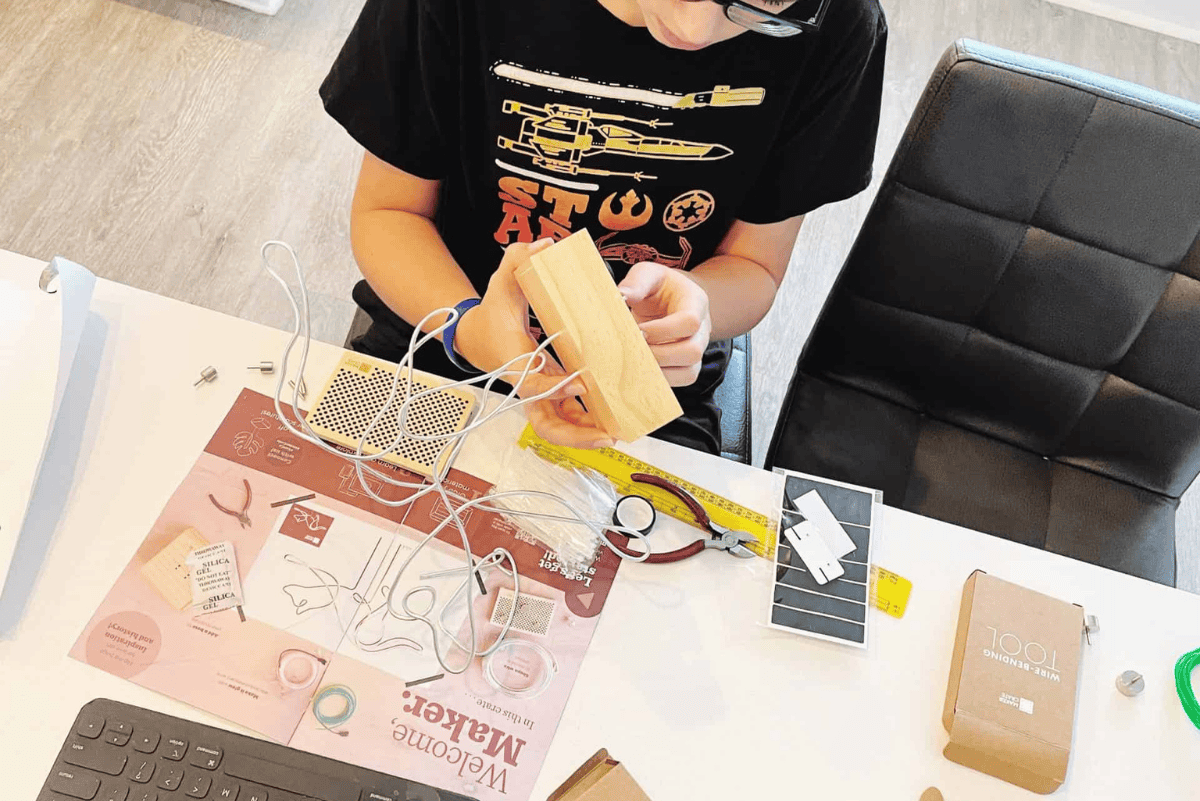
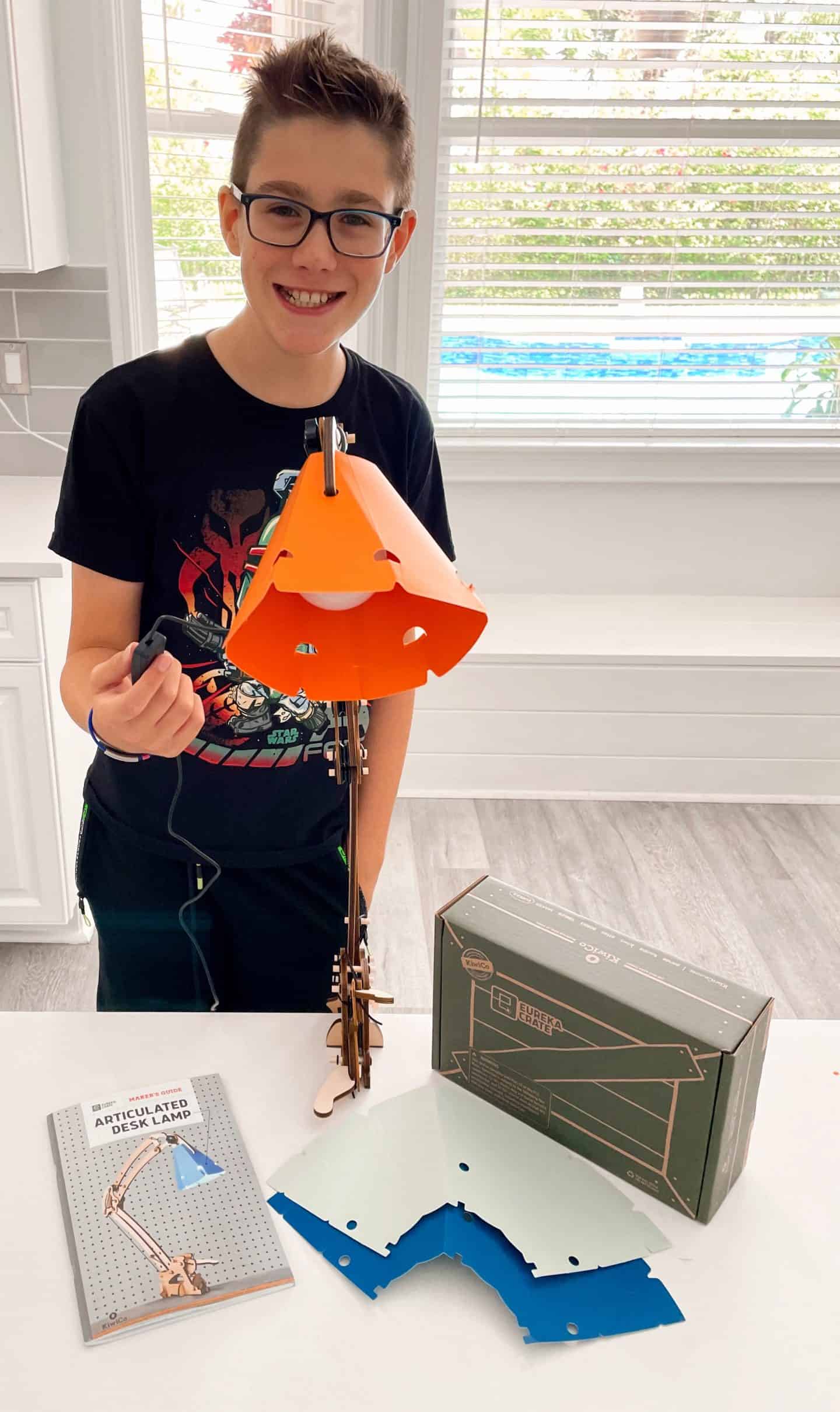
Some projects, such as circuits and catapults, are completed fairly quickly, while others are things kids can continue using. The articulated desk lamp pictured above was one of those projects and stayed useful long after we’d finished building it.
Read my full KiwiCo review here.
Best for: Ages 0–16+, particularly kids who enjoy hands-on science, engineering, and building projects.
MEL Science Subscription Boxes – Best for Chemistry & Physics
We’ve used MEL Science subscription boxes for Chemistry, Physics, and MEL Kids, and these are the monthly science kits I’d choose for kids who want to go deeper into the subject.
The Chemistry boxes were a particular favorite. The experiments fizz, glow, change color, and occasionally involve fire, which certainly helped keep science interesting. They also go beyond simply completing the experiment by explaining what is actually happening and why.
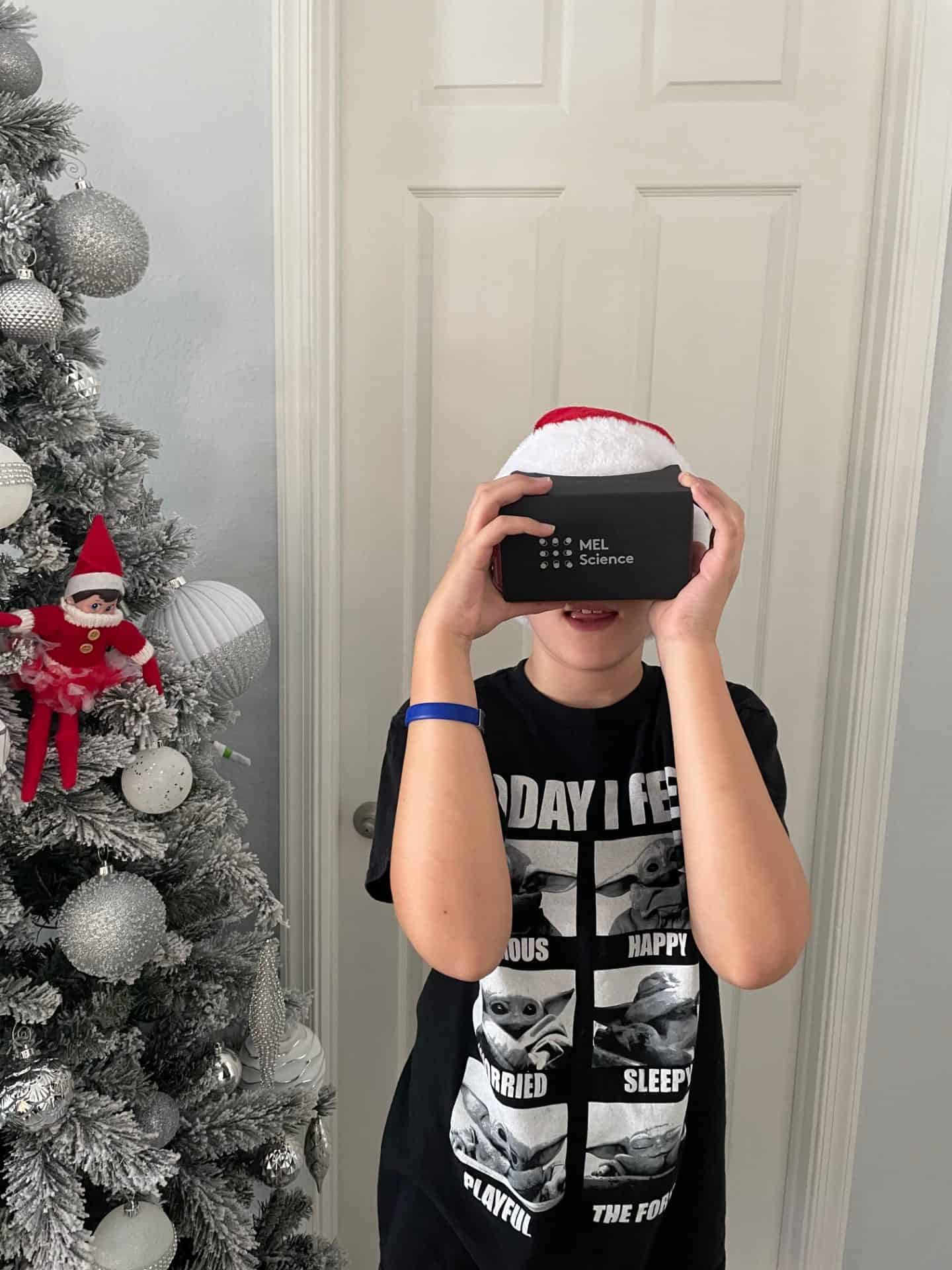
The app adds another layer, with AR lessons and VR experiences that help kids visualize concepts that can be difficult to understand from a textbook alone.
Each monthly kit contains materials for several experiments along with detailed instructions and the science behind them. MEL Kids, aimed at ages 5–9, combines science with wooden builds and illustrated instructions, while the Chemistry and Physics subscriptions are more advanced and better suited to older kids and teens.
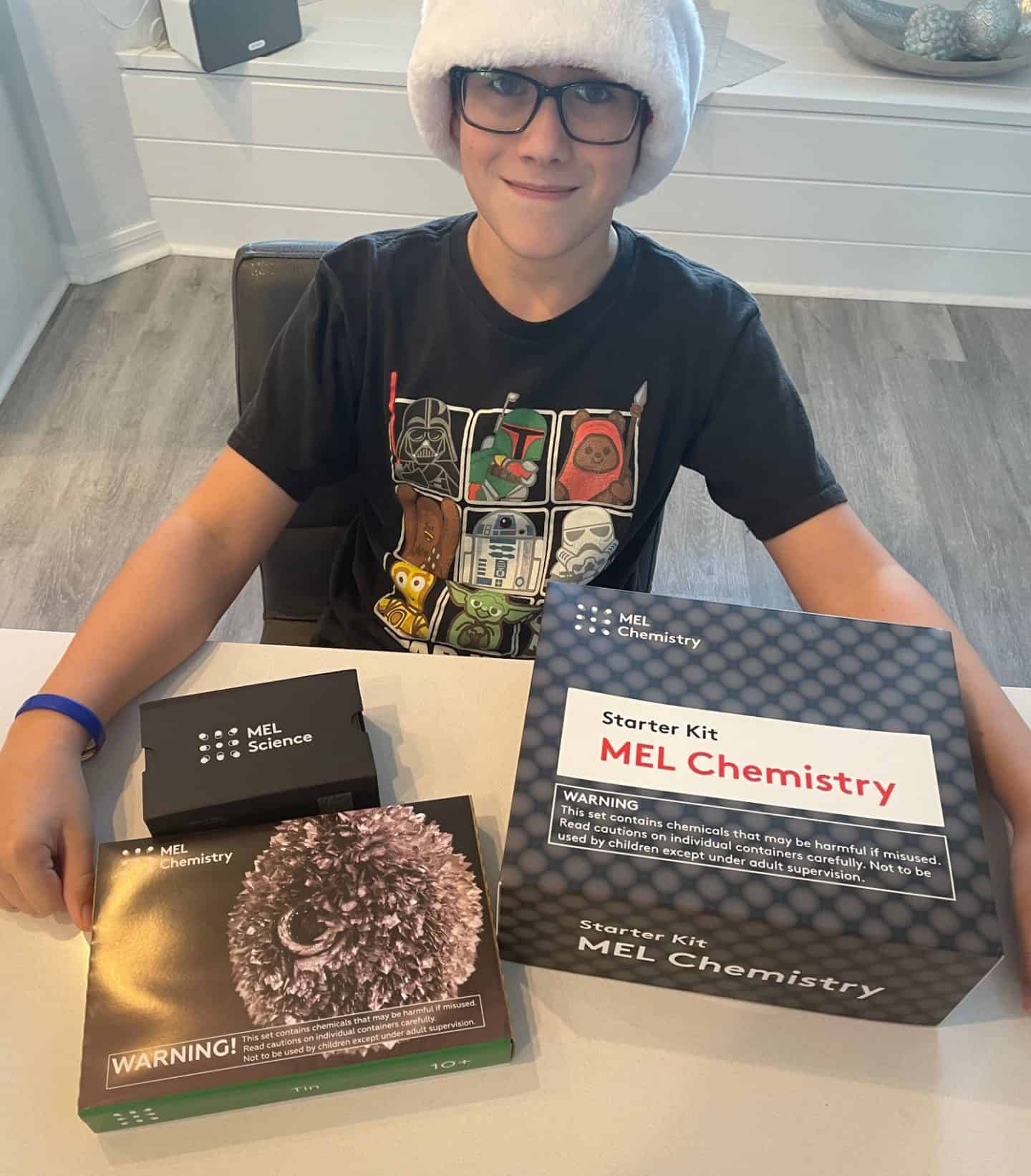
Read my full MEL Science Chemistry review for a closer look at our experience.
Best for: Ages 5–16+, particularly kids who enjoy hands-on chemistry and physics or want more depth than a typical science kit provides.
Bitsbox Coding Subscription Box – Best for Young Coders
Bitsbox takes a different approach to STEM subscription boxes by focusing entirely on coding. My son used it to create simple apps that he could actually play on the iPad, which made learning to code feel much more purposeful than simply working through exercises.
It uses real JavaScript but introduces coding gradually, so beginners can start creating projects without needing previous experience.
Best for: Ages 6–12, particularly kids interested in coding, computers, apps, and games.
Green Kid Crafts – Best STEM Box for Younger Kids
Green Kid Crafts combines science with nature, art, and hands-on activities, making it a good option for younger kids who aren’t ready for more advanced STEM kits.
The projects are designed by educators and often incorporate recycled or eco-conscious materials. We’ve given these boxes as gifts before, and they’ve worked particularly well for families looking for creative activities with some science mixed in.
Best for: Ages 3–10, particularly younger kids who enjoy nature, science, crafts, and hands-on projects.
How to Choose the Right STEM Subscription Box
When comparing STEM subscription boxes, there are a few things I think matter more than anything else:
- Age: Check the recommended age range carefully. A kit that’s too easy quickly gets boring, while one that’s too advanced can mean the parent ends up doing most of it.
- Interests: Some monthly STEM kits focus heavily on engineering, while others concentrate on chemistry, physics, coding, or a mixture of subjects.
- Variety: If your child gets bored easily, look for a subscription that changes the type of project regularly. KiwiCo is particularly good for this.
- Depth of learning: There’s a big difference between completing a fun science activity and understanding the science behind it. MEL Science was particularly strong in this area.
- Parent involvement: Consider how independently your child will be able to complete the projects, especially if you’re buying for a younger child.
- Cost: Longer subscriptions can offer better value, but I prefer trying a box before committing to several months.
If you’re not sure where to start, KiwiCo is my overall pick because of its range of ages, subjects, and projects.
For older kids who are already interested in chemistry or physics, I’d choose MEL Science. It offers more scientific depth and feels much closer to having a small home lab.
We’ve used STEM subscription boxes for years, and the best ones have given us hands-on science and engineering projects without me having to find materials or plan the activity myself.
Last Updated on 19 August 2026 by Clare Brown
