
Free Parts of a Shark Worksheet

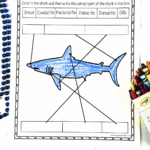
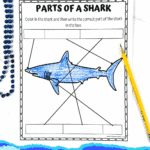
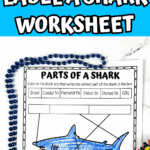
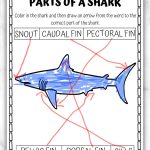
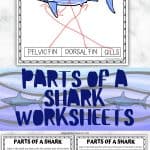
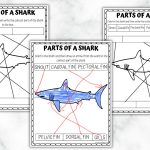
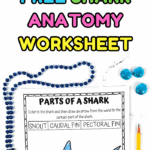
This free parts of a shark worksheet helps children learn and identify the main shark body parts, including the snout, dorsal fin, gills, pectoral fin, pelvic fin, and caudal fin.
The printable shark anatomy worksheet includes labeling and coloring activities that make learning about shark body parts fun and engaging for young learners.
Perfect for ocean studies, marine biology lessons, Shark Week activities, and homeschool science, these worksheets provide a hands-on way to explore shark anatomy while building science vocabulary.
**This post may contain affiliate links. As an Amazon Associate and a participant in other affiliate programs, I earn a commission on qualifying purchases.**
Label a Shark Worksheet
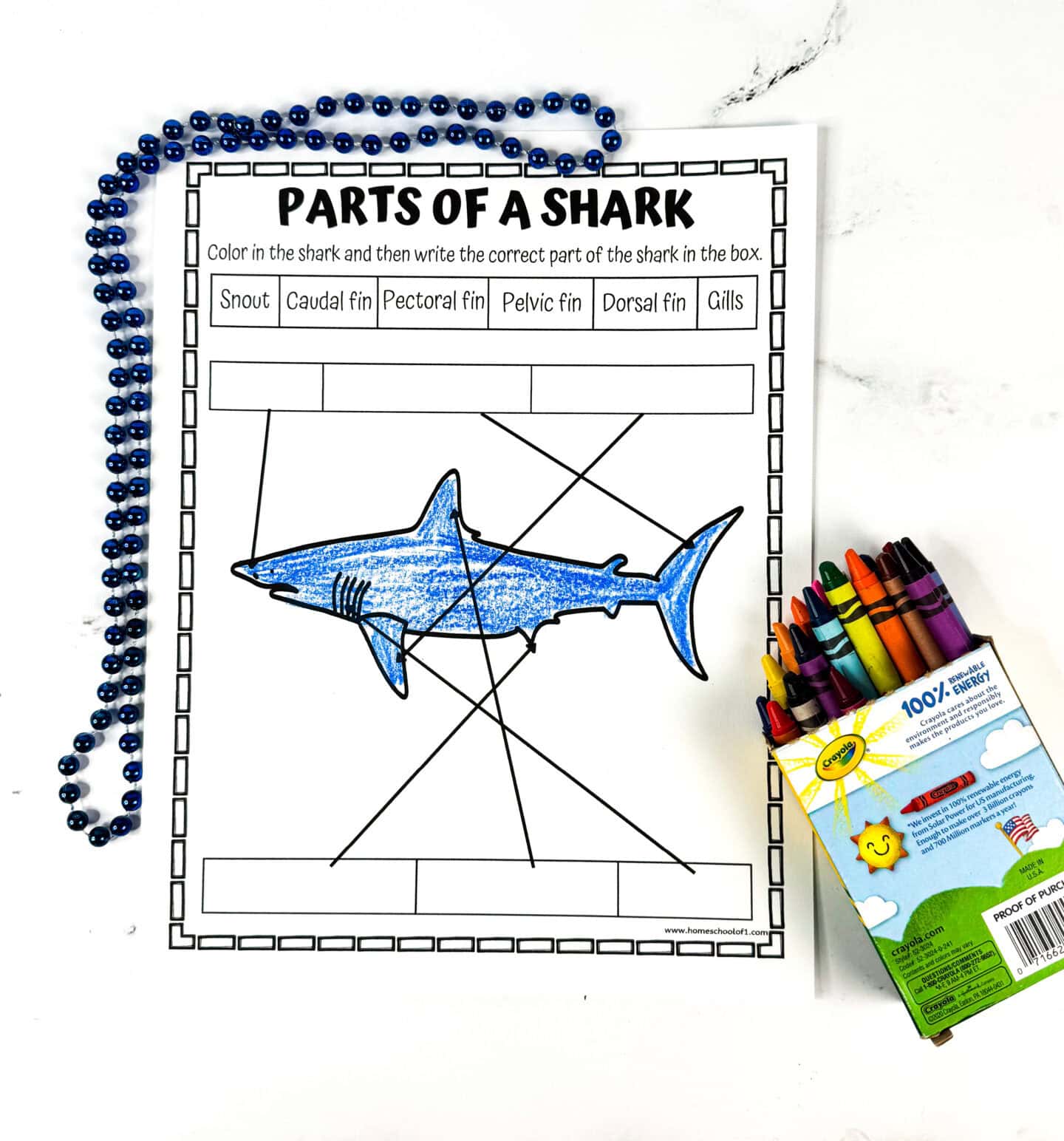
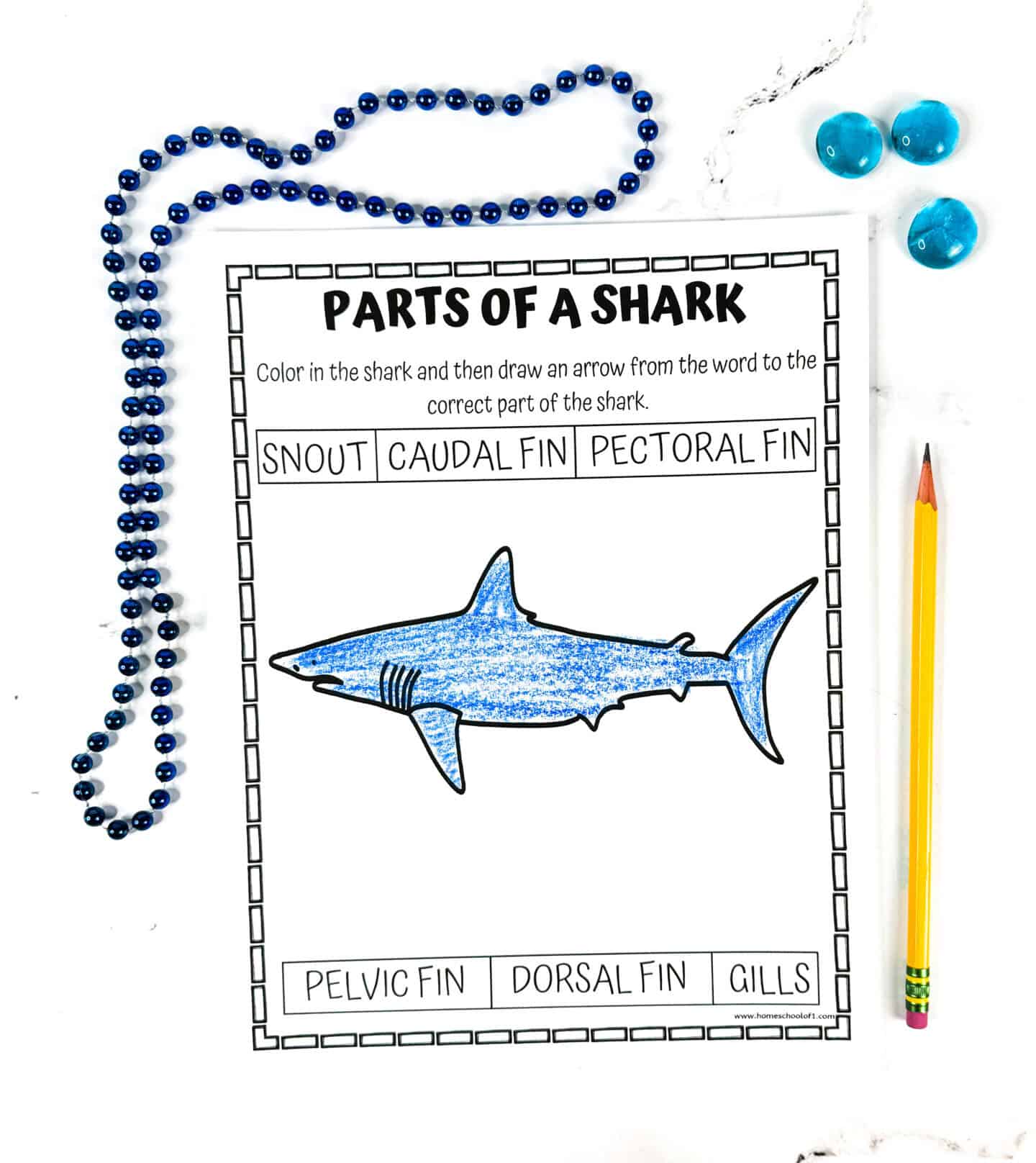
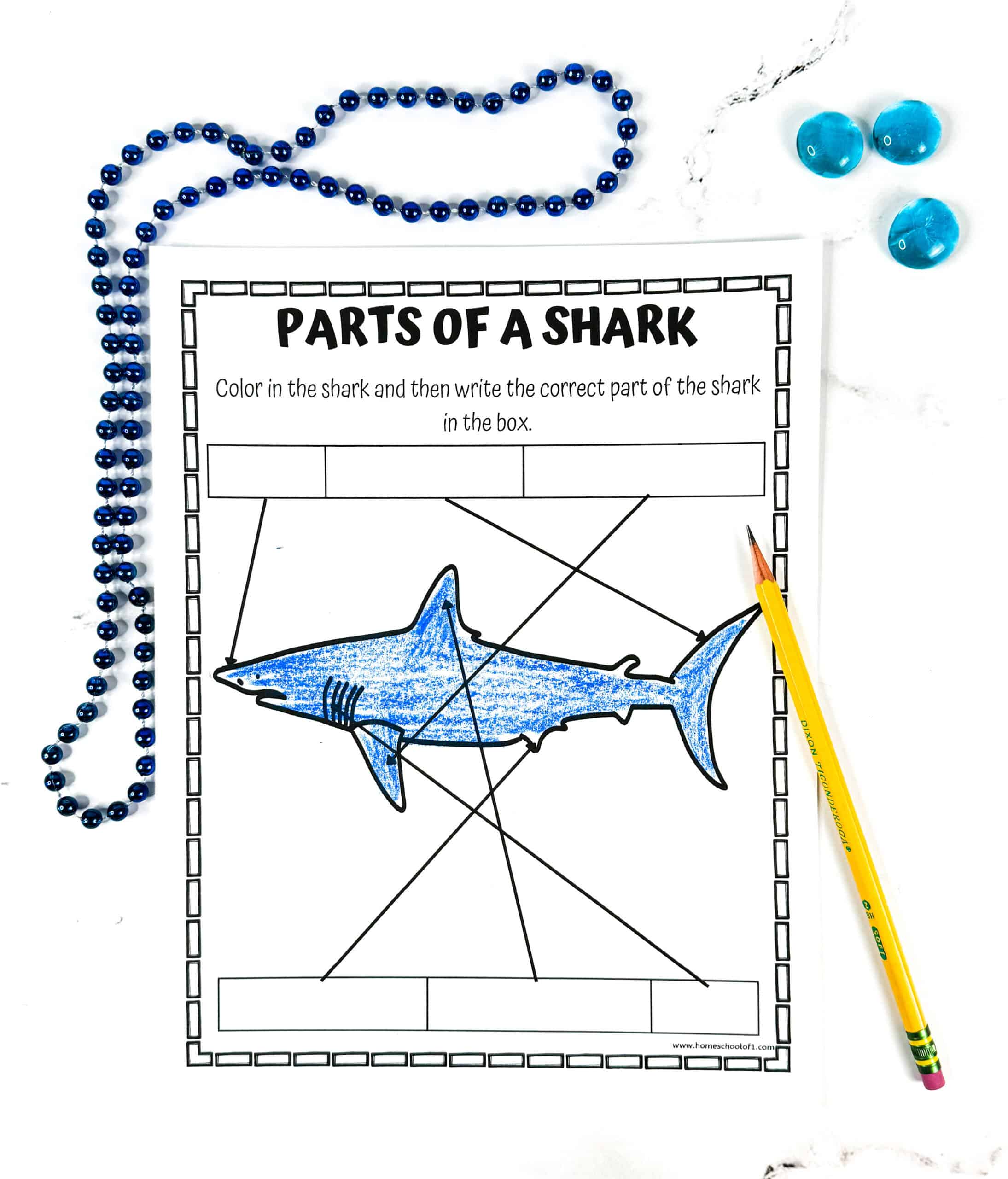
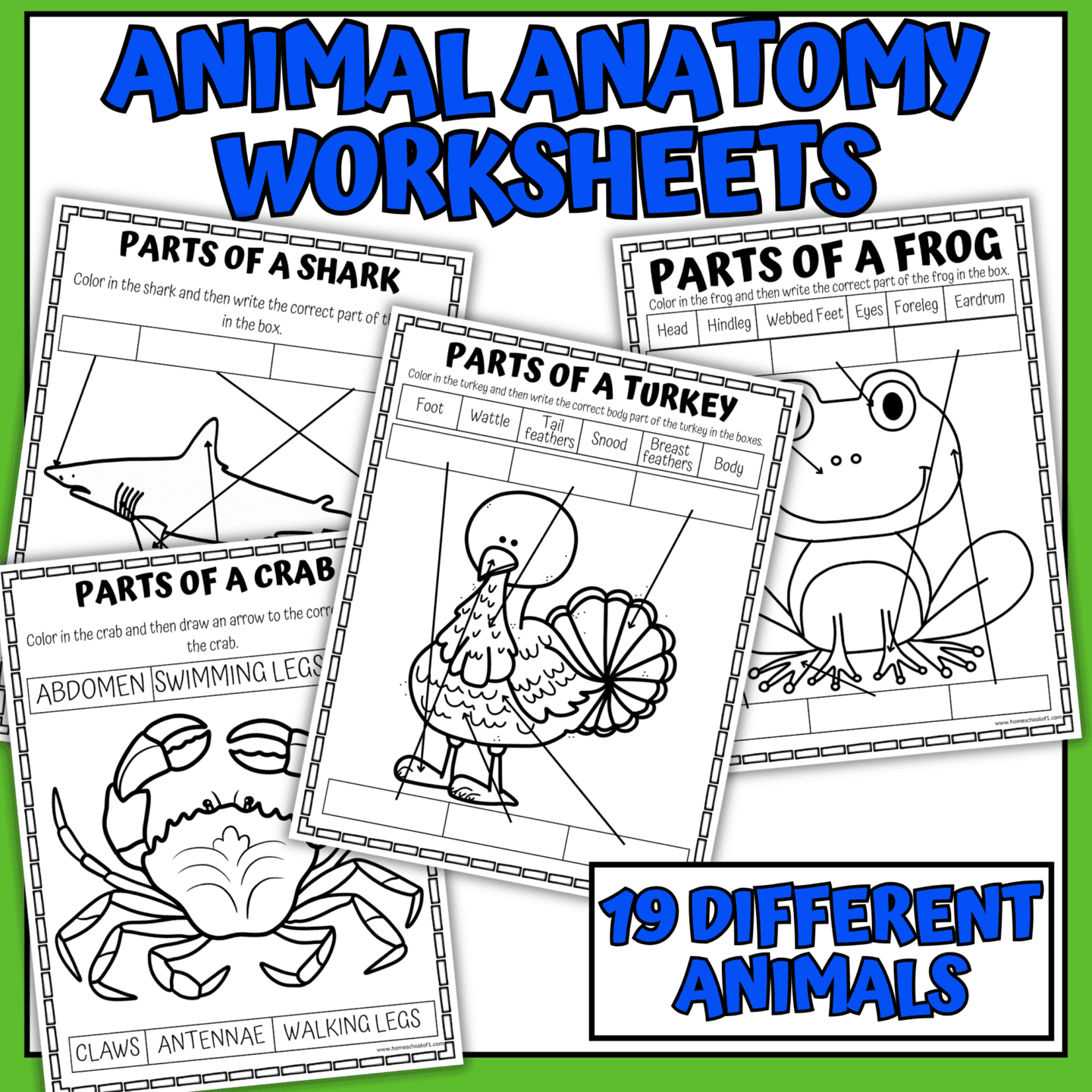
This shark labeling worksheet set includes four pages that help kids learn shark anatomy through simple labeling and coloring activities.
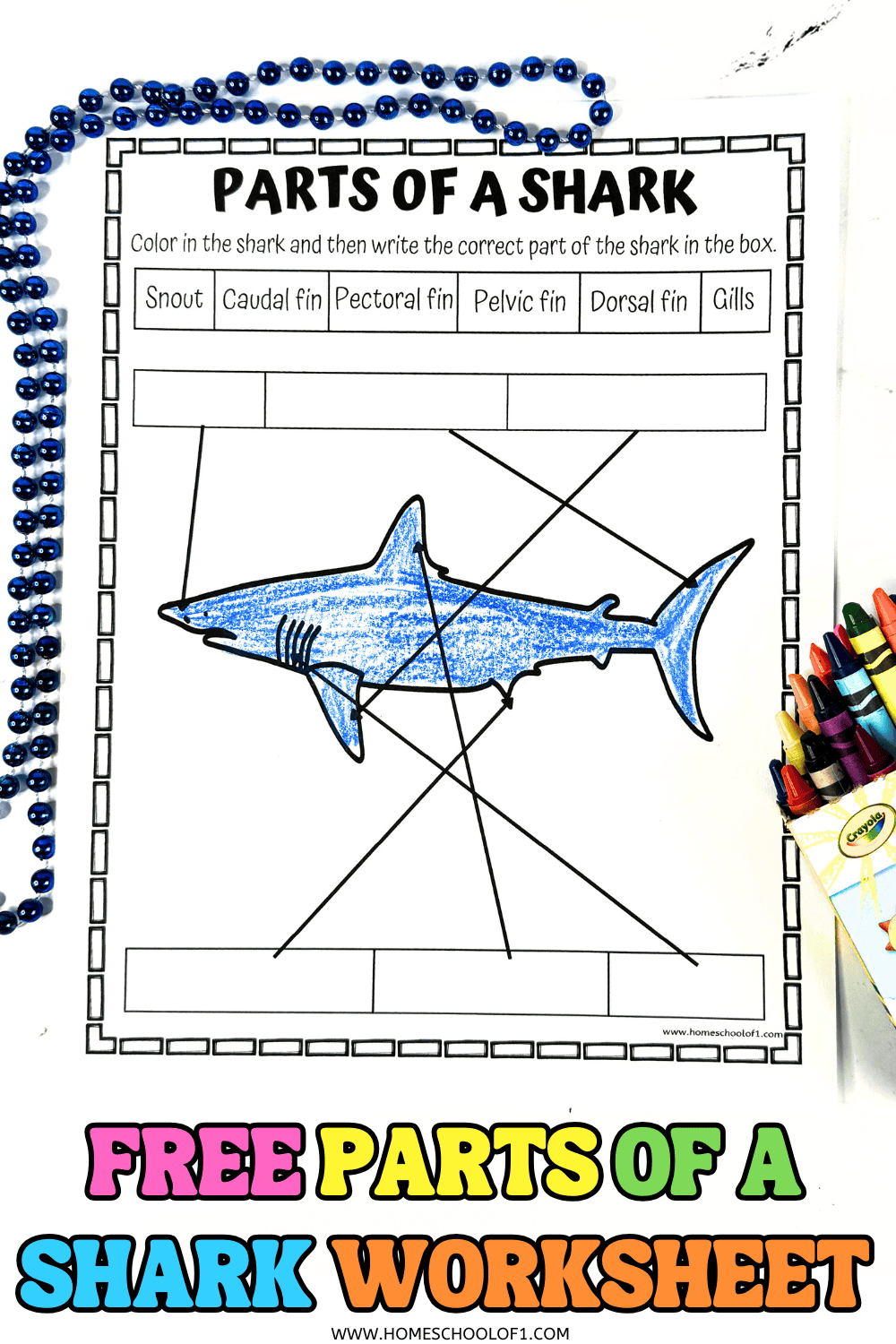
Page 1: Arrow-to-Label Activity – Kids color the shark and draw arrows from pre-written words to the correct parts on the diagram.
Page 2: Write-in Labels (No Word Bank) – A blank version where students color the shark and write each part name in the correct box.
Page 3: Write-in Labels (With Word Bank) – The same activity with a word bank included to support spelling and vocabulary development.
Page 4: Answer Sheet – A completed shark diagram that can be used for reference, self-checking, or extra coloring.
The parts covered include the snout, dorsal fin, gills, pectoral fin, pelvic fin, and caudal fin. These shark anatomy worksheets support handwriting practice, visual learning, and science vocabulary development with minimal preparation.
What Are the Parts of a Shark?
A shark’s body is designed to help it swim, hunt, and survive in the ocean. This worksheet introduces six important shark body parts:
- Snout – the front part of the shark’s head.
- Dorsal fin – helps the shark stay balanced while swimming.
- Gills – allow the shark to breathe underwater.
- Pectoral fins – help with steering and lift.
- Pelvic fins – provide stability.
- Caudal fin – the tail fin that powers the shark through the water.
Learning these basic shark body parts helps children better understand how sharks move and survive in their marine habitats.
Why Use a Parts of a Shark Diagram?
This anatomy worksheet helps young learners build basic science skills through visual, hands-on activities:
- Supports visual learning – Kids match parts to diagrams through both guided and independent labeling.
- Strengthens fine motor skills – Coloring and writing help develop coordination.
- Builds vocabulary – Introduces terms such as dorsal fin, gills, and caudal fin in context.
- Encourages focus – Labeling diagrams helps children pay attention to details.
- Makes learning fun – Combines coloring and labeling in a low-pressure way.
Tips for Teaching Shark Anatomy
These simple strategies can help make the most of the worksheet:
Start with a discussion – Talk briefly about sharks and their role in the ocean ecosystem. A short video or photo can help introduce the topic.
Walk through one example – Show how to label a single part, such as the dorsal fin, before students complete the rest independently.
Use models or toys – Point out the different body parts on a shark toy for a more hands-on learning experience.
Expand the activity – Read a shark-themed book, complete a shark craft, or try our feed the shark printable for younger learners.
Review together – Use the answer sheet to check work and reinforce new vocabulary.
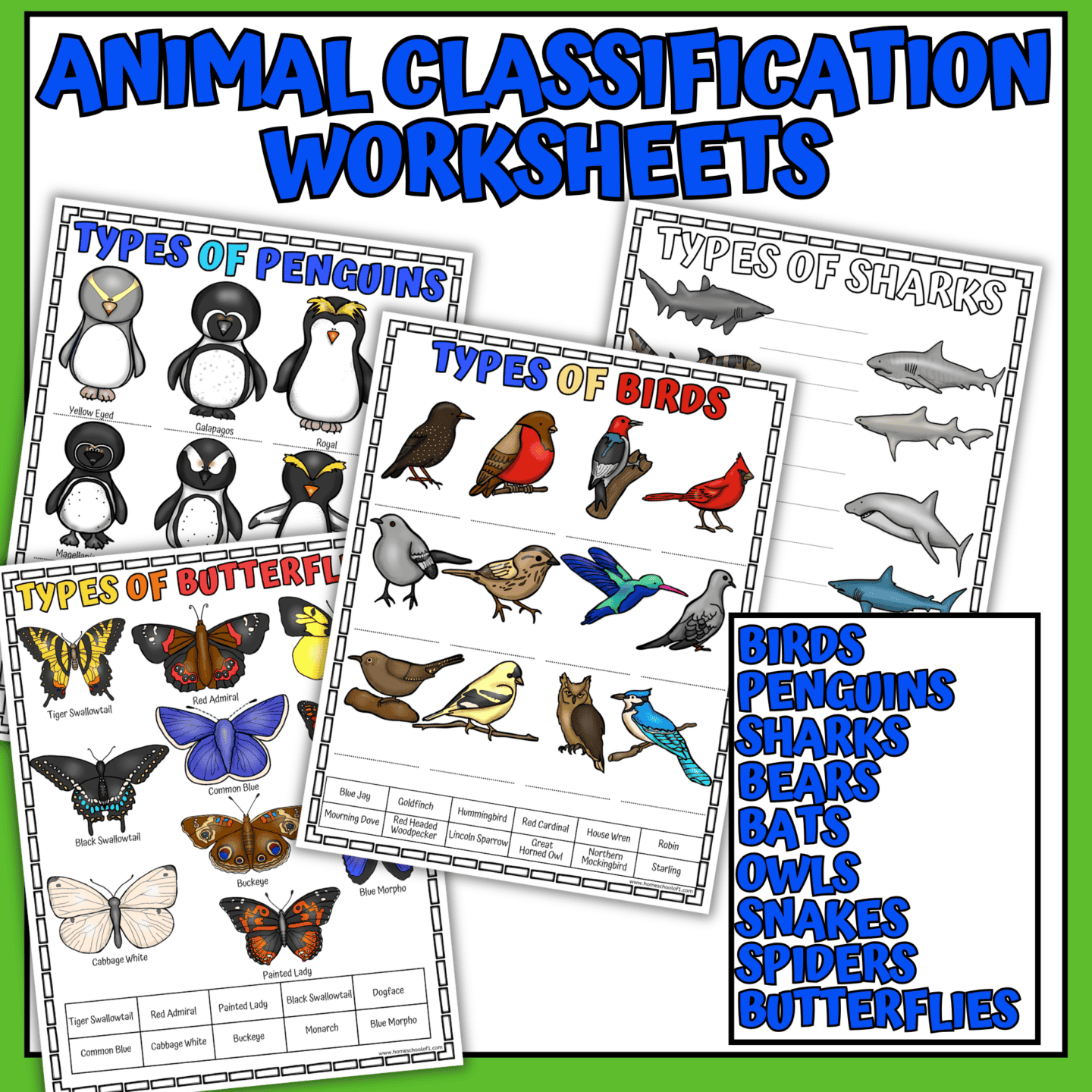
Looking for more shark activities? Pair this with our different types of sharks worksheets to help children learn about shark species and marine life.
Books About Sharks for Kids
When we worked through the parts of a shark worksheet, pairing it with a few great shark books helped everything click. My son liked being able to spot the fins and gills in real shark photos, and seeing shark anatomy in context made the vocabulary easier to remember. The stories also gave us more to talk about beyond just labeling body parts.
Here are a few of our favorites:
- Sharks! – A colorful, easy read that’s great for younger kids just getting interested in sea life.
- National Geographic Kids: Everything Sharks – Full of real photos and quick facts about different shark species.
- If Sharks Disappeared – This one really stuck with us, it shows what might happen to the ocean if sharks weren’t around.
- Sharks: Nature’s Perfect Hunter – A deeper dive into how sharks survive and thrive, with great illustrations of their anatomy.
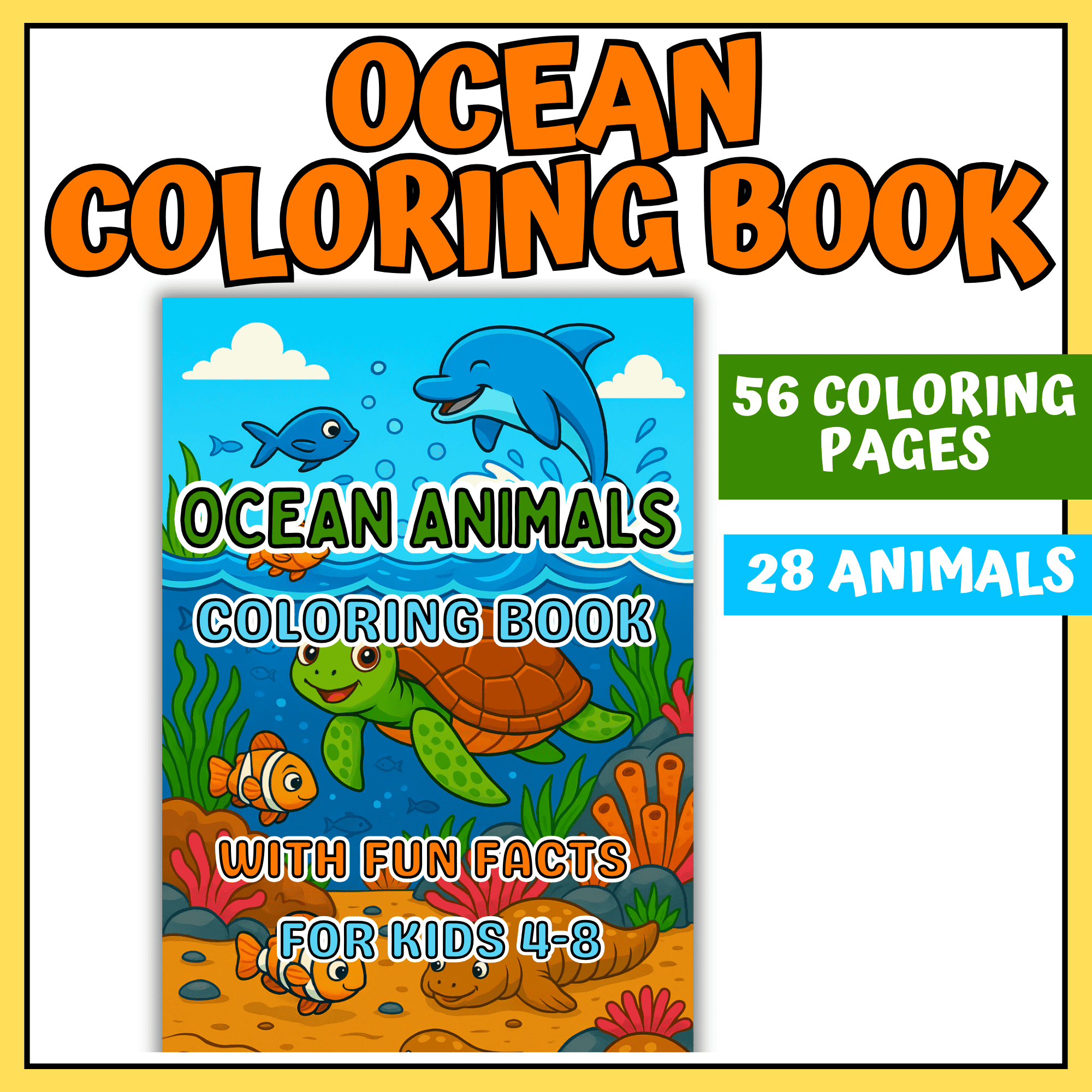
- Ocean Animals Coloring Book with Facts – This one includes several shark species and pairs fun facts with big, bold illustrations, perfect for extending any ocean unit.
These books worked well alongside the worksheet, giving us time to pause, ask questions, and build a fuller picture of how sharks live and why they matter.
Get Your Free Shark Anatomy Worksheet Here!
Ready to grab your free printable? Just pop your name and email into the form below, and it’s all yours!
Tip: Use a personal email address (like Gmail), school or work emails sometimes filter printable links.

If you don’t see the form below, click here to get the free PDF.
Last Updated on 11 June 2026 by Clare Brown
