Homeschooling Resources by Subject (Tools We’ve Used)

Over the past seven years of homeschooling, I’ve tested a lot of homeschooling resources, some were game-changers, others didn’t quite fit.
This page brings together the ones we’ve actually used and found helpful, from free printables and full curriculum reviews to hands-on projects and high school prep.
If you’re completely new to this, start with my how to start homeschooling guide, which walks through the first steps before you begin choosing curriculum and resources.
If you’re trying to turn all of this into a clear plan, this homeschool curriculum finder can help you figure out what actually fits.
**This post may contain affiliate links. As an Amazon Associate and a participant in other affiliate programs, I earn a commission on qualifying purchases.**
Homeschool Resources at a Glance
After more than seven years of homeschooling, these are the resources, tools, and programs we’ve come back to again and again.
Some are completely free, some are full curriculum programs, and others are just things that made our homeschool days easier.
- Free homeschool printables – Over 2,500 worksheets, games, and activities covering everything from math and science to holidays and seasonal fun.
- Full Curriculum Options – Free and paid programs like Easy Peasy, Khan Academy, and Pandia Press that cover multiple grade levels.
- Subject-Specific Tools – Math board games, science kits, language arts workbooks, and history resources that support different learning styles.
- High School Prep – GPA calculators, record keeping, coding courses, and college-prep resources for teens.
- Creative Extras – Art, music, and financial literacy activities that keep learning well-rounded and engaging.
Online Homeschool Tools That Make Life Easier
Sometimes you don’t need another giant curriculum review. You just need something that helps you figure out what to teach, keep records organized, or make homeschool planning a bit easier.
These are the online homeschool generators and calculators we’ve built because I couldn’t find exactly what I wanted online.
- Homeschool Laws by State – A simple way to check what your state actually requires before planning your homeschool year.
- What’s Your Homeschool Style? – A quick quiz to help you figure out which homeschool approach might fit your family best.
- Homeschool Curriculum Finder – Helps narrow down curriculum choices without spending hours comparing everything yourself.
- Attendance Percentage Calculator for Homeschoolers – Helpful for checking attendance days or figuring out how far through the school year you actually are.
- Homeschool GPA Calculator – Calculates weighted and unweighted GPAs for high school transcripts.
- Interactive Homeschool Name Generator Tool – Mostly just for fun, but surprisingly useful if your state asks for a homeschool name.
- Random Team Generator for Homeschool – Helpful for co-ops, group projects, homeschool classes, and educational games.
Free Homeschool Resources
When my son was in elementary school, I was honestly surprised how much of his learning came from completely free materials.
From science and history to typing games and educational videos, we found high-quality options that didn’t cost a thing.
Homeschooling doesn’t have to be expensive. These no-cost tools helped us build a full, flexible homeschool without breaking the budget.
- Free homeschool curriculum – Full programs we’ve used that cover multiple subjects without costing a penny.
- Free homeschool science curriculum – Hands-on and engaging lessons that made science a favorite in our house.
- Free homeschool printables – Ready-to-use worksheets and activities for quick, low-prep days.
- Free homeschooling online – Interactive courses and lessons that kept my son learning independently.
- Homeschool YouTube channels – Our go-to channels for visual, bite-sized lessons on almost any topic.
- Free homeschool health curriculum – Simple, age-appropriate ways to teach nutrition, safety, and wellness.
- Best educational videos for kids – Screen time that sparks curiosity and actually teaches something.
- Free typing games for kids – Fun, game-based practice that built solid keyboarding skills over time.
Homeschool of 1 offers over 7,500 free printables for teachers and parents, covering math, science, history, and seasonal activities.
Homeschool Math Materials That Actually Worked
Math is by far our favorite subject, yes, we actually love it! Over the years, we’ve used a mix of curriculum, books, games, and online programs to match different learning styles and stages.
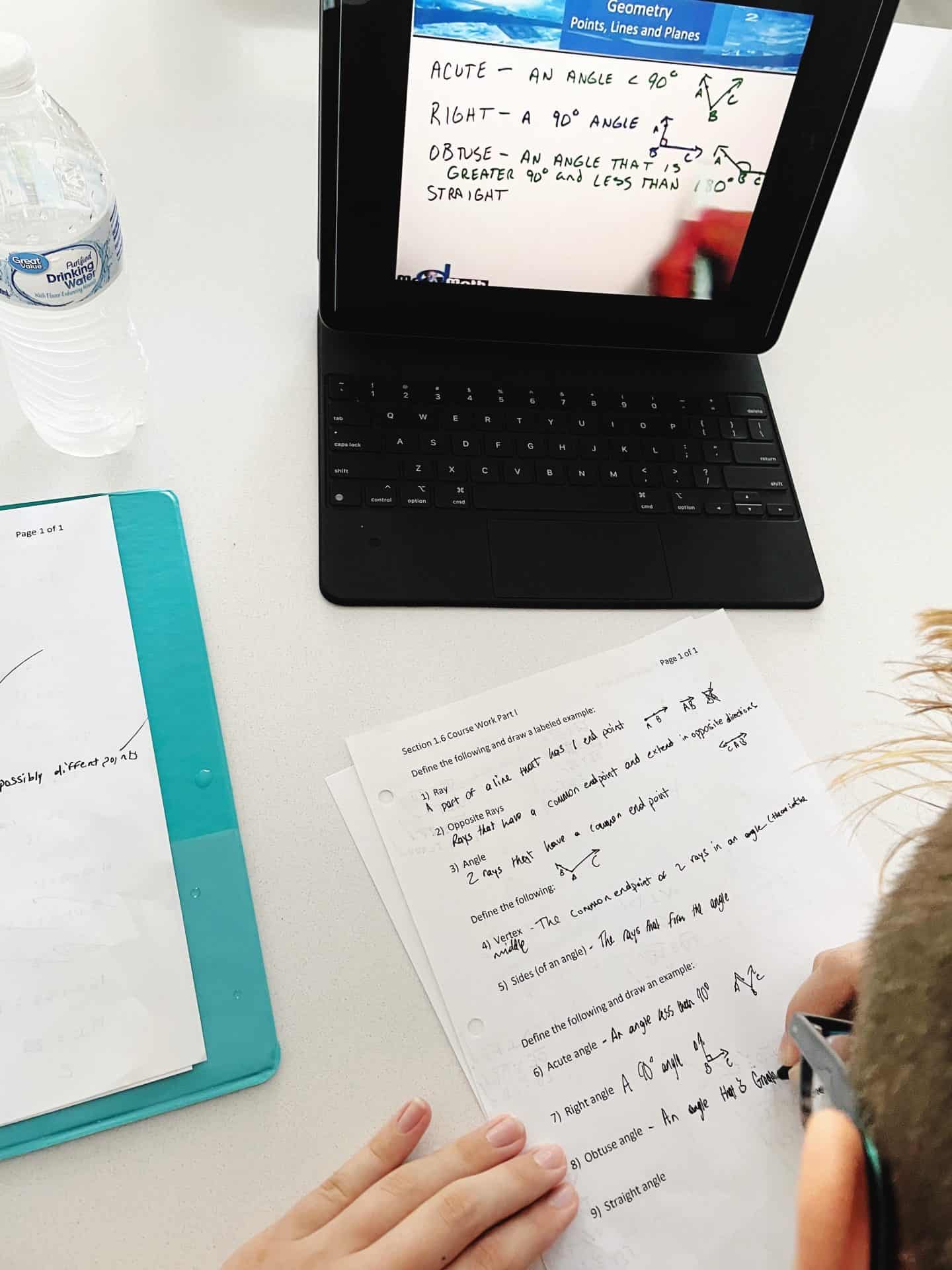
As we move into high school, we’re starting with Mr. D Math, but every resource below is something we’ve personally tried and found helpful in our homeschool.
- Mr D Math homeschool geometry curriculum – A clear, supportive program that made high school geometry less intimidating.
- Homeschool algebra curriculum – Teaching Textbooks gave us interactive lessons that built confidence without stress.
- Homeschool math books – Extra practice and creative problem-solving that filled in gaps when needed.
- Best secular math curriculum – Options that worked for us as a secular homeschooling family.
- Teaching Textbooks Algebra 1 reviews – Our honest experience using it for both middle and high school.
- Best math board games – Family favorites that taught real skills while still feeling like play.
- Best math board games for kindergarten – Gentle, age-appropriate introductions to numbers and patterns.
- Order of operation games – Hands-on activities that helped PEMDAS finally click.
- Number board games for kids – Reinforced basic math facts without turning into drills.
- Best homeschool math curriculum for ADHD – Flexible and structured enough for active learners.
- Mr D Math review – Why it’s been a good fit as we shift toward more independent high school learning.
- CTC Math review – A solid choice for self-paced, screen-based math instruction.
- Cool math games from Brainika – Interactive, short activities that made review fun.
Homeschool Language Arts Tools That Helped Us Build Skills
Language arts was probably the subject we changed the most over the years, especially writing and spelling. Some programs looked great at first but completely fell flat once we actually started using them, while others ended up working far better than I expected.
What helped most was mixing structured curriculum with games, books, and more creative activities so it didn’t always feel like formal schoolwork. These are the language arts resources that worked best for us over the years.
- Learning Language Arts Through Literature – A well-rounded curriculum that blends classic and modern books with writing practice.
- Homeschool spelling curriculum – Structured, incremental lessons that actually stuck, even with a reluctant speller.
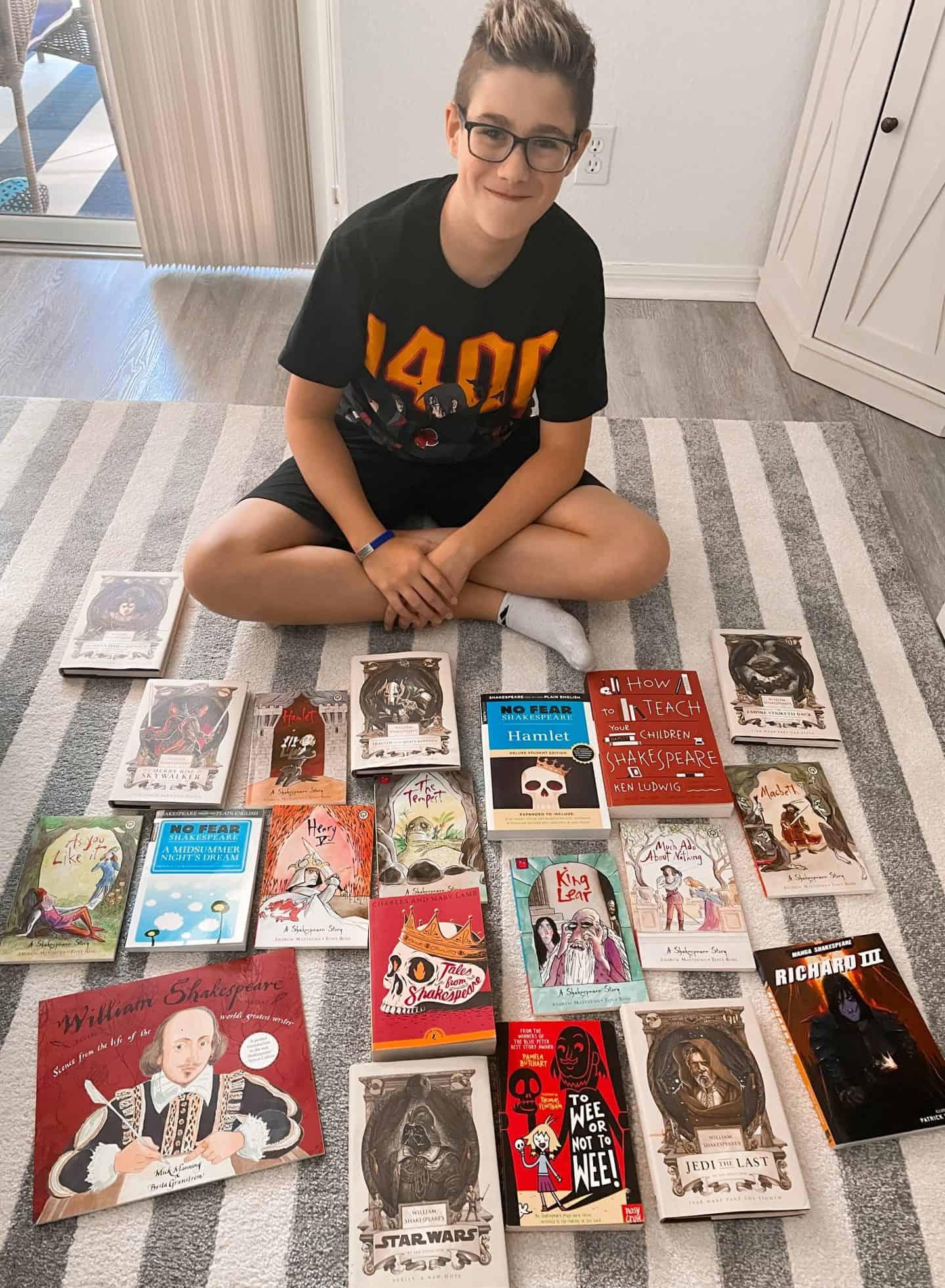
- How to teach Shakespeare in your homeschool – Simple strategies we used to make Shakespeare fun and approachable.
- Writeshop review – A writing program that supported both confident and hesitant writers with its step-by-step structure.
- Getty-Dubay cursive curriculum – Gentle handwriting instruction that didn’t feel overwhelming.
- Top Shakespeare books for kids – Our favorite illustrated and adapted editions that made the plays more accessible.
- Best word games for kids – Vocabulary-boosting games that felt more like fun than schoolwork.
Homeschool Science Resources That Made Teaching Easier
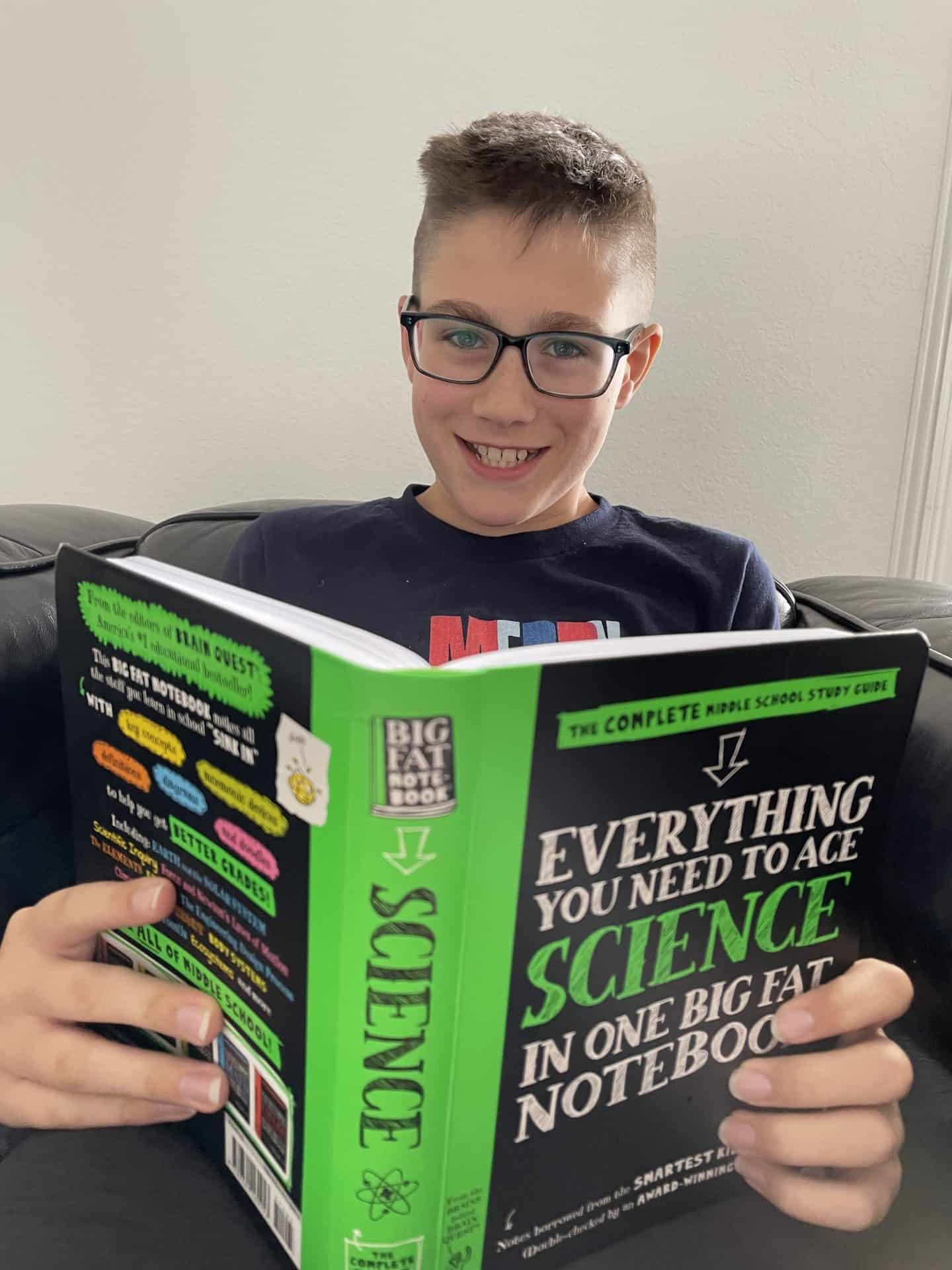
Science was probably the subject I worried about teaching the most. I’m not naturally drawn to big messy experiments, and I never wanted homeschooling to feel like I had to spend hours setting up complicated activities the night before.
What helped was finding science resources that were easy to follow, genuinely interesting, and realistic to use in everyday homeschool life. We ended up using a mix of videos, worksheets, books, online programs, and the occasional hands-on project to keep science fun without it becoming overwhelming.
- Homeschool science curriculum – Solid, structured programs that make teaching easier for non-science parents.
- Science books for homeschooling – Engaging reads that explain complex topics in kid-friendly ways.
- Free science activities for elementary students – No-cost projects and experiments that work well at home.
- Best homeschool workbooks – Practice-based learning for reinforcing science concepts.
- Best science board games – Fun, family-friendly games that sneak in STEM skills.
- Real Science Odyssey Biology 2 review – How this hands-on, secular curriculum worked for us.
- Generation Genius review – Colorful, video-based lessons that grab kids’ attention.
- BrainPOP review – Short, animated videos that make tricky topics easier to understand.
- Human body unit studies – Multi-activity studies that cover anatomy in an engaging way.
- Homeschool biology curriculum from Dr. Robbins – Rigorous yet approachable high school-level biology.
- Anatomy book for kids from Know Yourself – Illustrated lessons that make anatomy fun to explore.
- Free homeschool science worksheets – Quick, printable activities for reinforcing concepts.
Science Kits That Took the Pressure Off
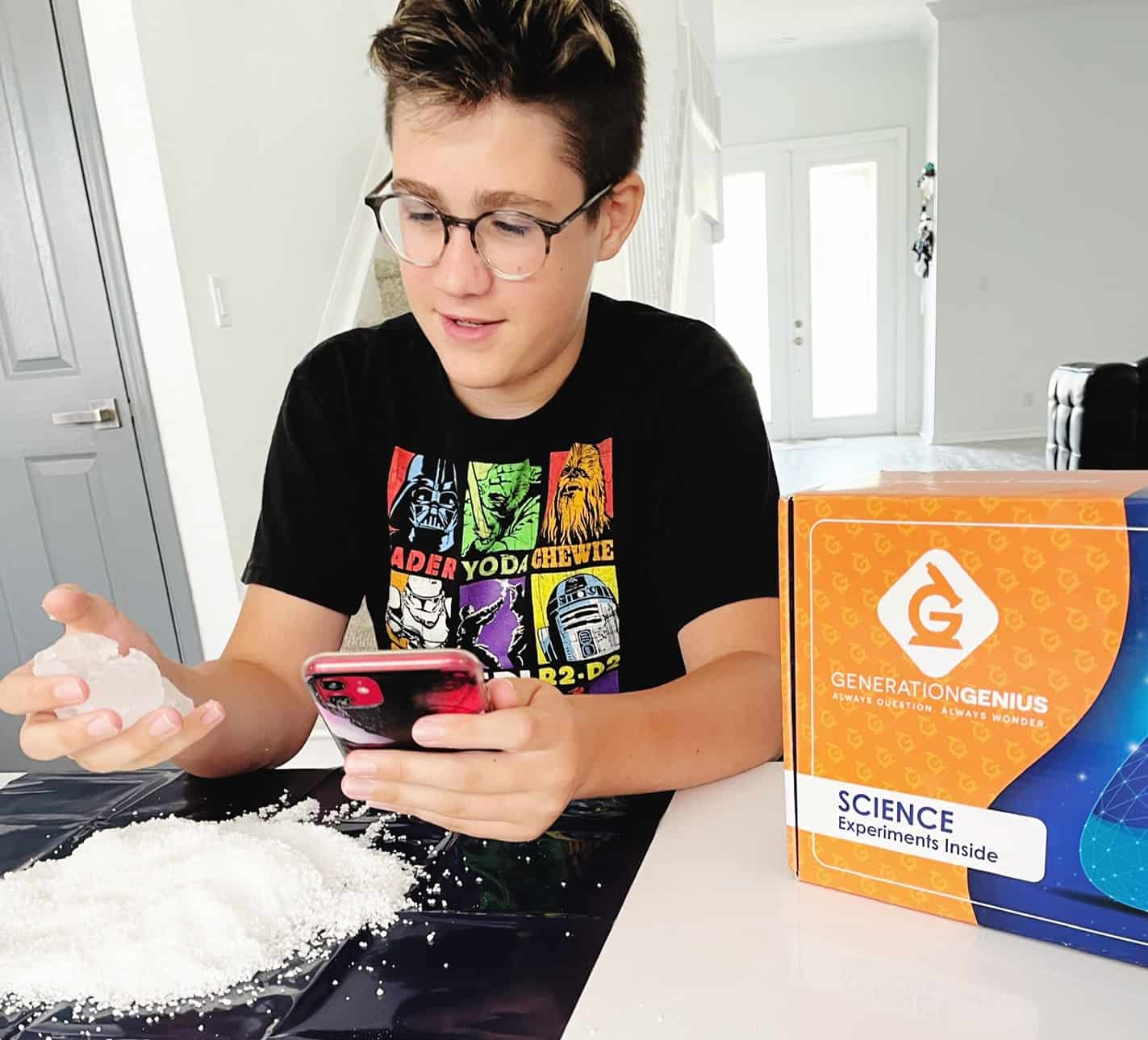
Science subscription boxes have been a game-changer for us, especially when I didn’t have the time or energy to prep experiments from scratch.
These science kits deliver hands-on projects, real experiments, and STEM activities right to your doorstep, making science more consistent and engaging in our homeschool without the mess or stress.
- Mel Science review – A subscription that combines real lab equipment with guided experiments.
- Kiwico Eureka Crate review – Monthly engineering projects that challenge older kids and teens.
- Generation Genius Science Kits – Hands-on kits that pair with their engaging online science lessons.
- Oysterkit review – Creative STEM kits with unique projects you won’t find in standard science sets.
Foreign Language Resources for Our Homeschool Journey
Foreign language was one of those subjects I kept putting off at first because I don’t fluently speak another language myself. Once we stopped worrying about doing it perfectly though, it became much easier to fit into our homeschool routine.
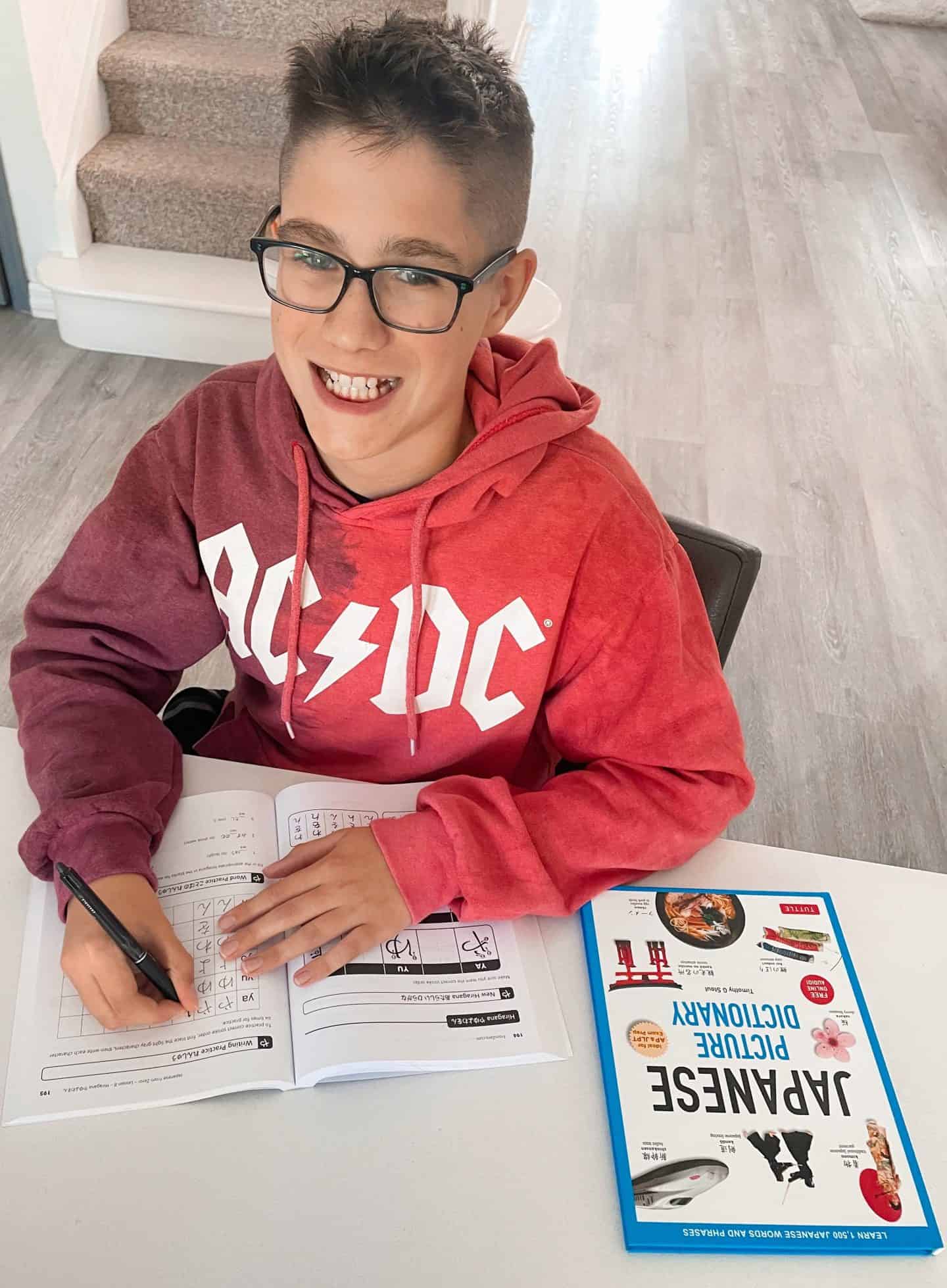
Over the years, we’ve tried a mix of online programs, workbooks, videos, and self-paced courses for Spanish, ASL, and Japanese. Some worked far better than others, especially once we reached the middle and high school years and needed something a bit more structured.
- Homeschool foreign language curriculum – Structured programs that guide you through teaching a new language, even if you’re starting from scratch.
- Homeschool Spanish curriculum – Interactive lessons and games that made Spanish both engaging and easy to integrate.
- Japanese language curriculum for high school – A teen-friendly option that balances speaking, reading, and grammar.
- ASL homeschool curriculum – Visual, hands-on lessons that made learning American Sign Language approachable.
- Mr D ASL 1 review – How this self-paced course helped my son build beginner ASL skills with confidence.
- Lingopie reviews – Our experience with streaming shows and subtitles for more immersive language exposure.
History Resources That Brought Our Homeschool to Life
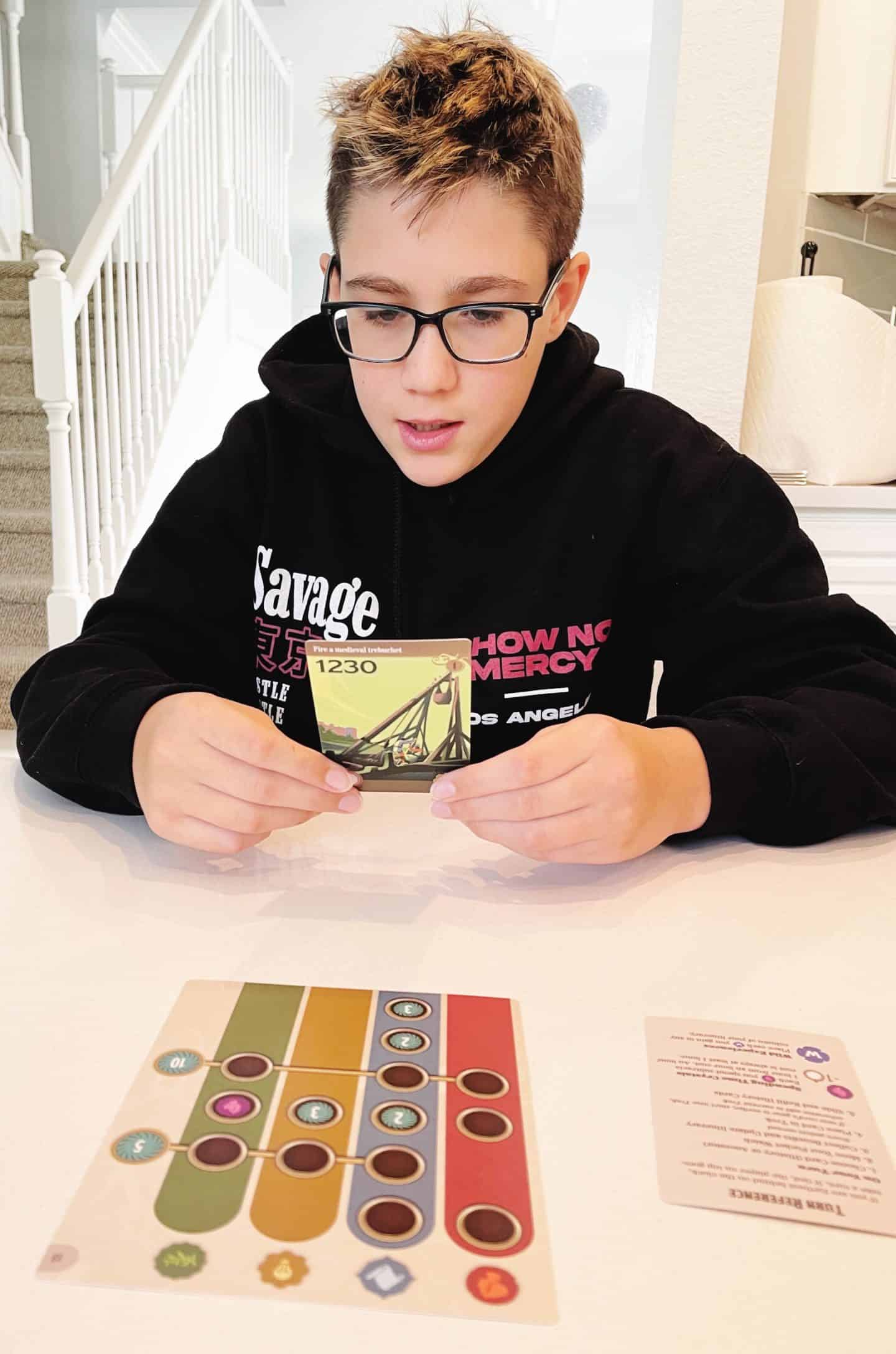
History has always been one of our favorite subjects, and over the years we’ve explored many different approaches.
Now that we’re in middle school, a literature-based curriculum has worked best for us, bringing historical events to life through stories. We’ve also mixed in timelines, unit studies, and hands-on activities to help make what we’re learning stick.
- History curriculum homeschool – Comprehensive programs that cover key events and eras in sequence.
- World history curriculum from Sonlight – Resources that give a broader perspective beyond U.S. history.
- History Odyssey review – How this literature-rich program helped us dive deeper into each time period.
- Beautiful Feet curriculum review – A story-driven approach that pairs well with living books.
- History timeline for kids – Visual aids that help put events in chronological context.
- Sonlight American History review – Our experience with their literature-based history selections.
- Sonlight American History lapbook – A hands-on way to organize and review what kids have learned.
- Best homeschool history books – Engaging reads that make historical figures and events relatable.
- Best history board games – Games that reinforce historical knowledge while keeping it fun.
- World leaders unit study – Focused lessons on influential leaders from different eras.
- Dictators unit study – An in-depth look at historical figures and the impact of their rule.
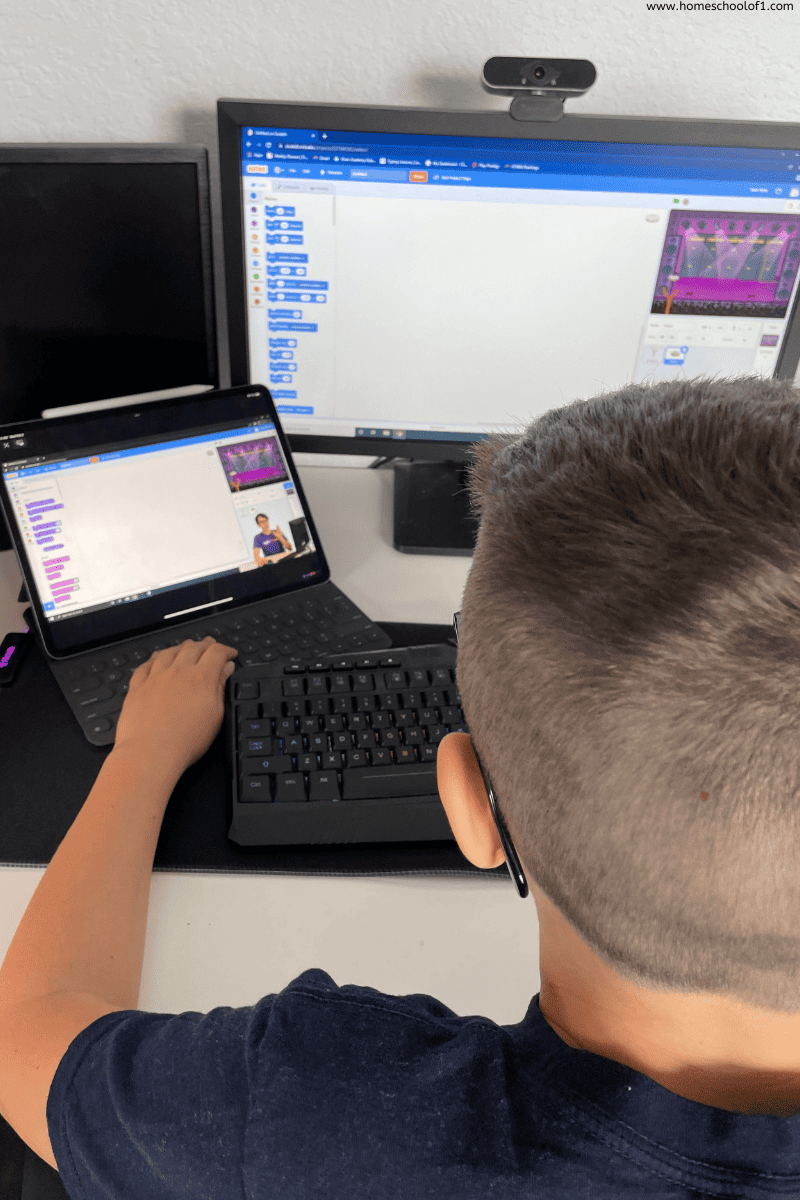
How We Brought Coding Into Our Homeschool
Coding was never something I planned to teach at home, mostly because I don’t have a tech background myself. But once we started trying a few coding games, websites, and STEM kits, it quickly became one of those subjects that felt less intimidating than I expected.
Over the years, we’ve used a mix of free coding websites, hands-on projects, books, and online programs to make coding feel more approachable, especially during the middle school years when interest in tech really started growing.
- Free coding websites for kids – No-cost platforms that introduce programming through games and interactive challenges.
- Best coding websites for kids – Kid-friendly sites that grow with your child’s skills and interests.
- Why building challenging Lego sets helps with coding – How complex builds support the same logic and sequencing skills used in programming.
- Osmo coding starter kit review – A screen-based coding game that made a great intro for younger learners.
- Best books to learn coding for kids – Step-by-step guides that explained coding concepts clearly and visually.
- MYTEK LAB review – A structured program that goes beyond basic coding into robotics and digital design.
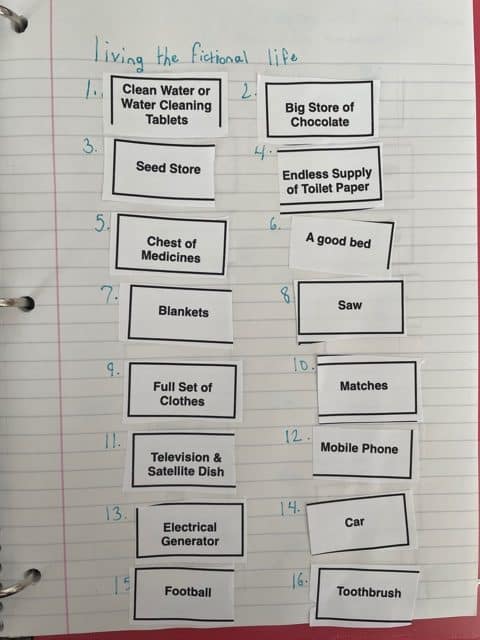
Keeping Geography Fun in Our Homeschool
While we’ve focused more on history in our homeschool, we still think it’s important to learn about the world and the country we live in. Instead of using a formal curriculum, we’ve leaned into maps, books, games, and hands-on activities to make geography feel more like exploration than memorization.
Here are the geography tools and ideas that worked for us:
- Homeschool geography curriculum – Structured programs that introduce continents, countries, and cultures in a way that’s easy to follow.
- Free geography worksheets – Printable activities for practicing map skills and reinforcing geography facts.
- Learning the states – Simple, fun ways we used to memorize U.S. states and capitals.
- Best geography books of all time – Our top picks for sparking curiosity about different parts of the world.
- Best geography board games – Play-based learning that helped geography concepts stick.
- Geography subscription box from KiwiCo Atlas Crate – Monthly crafts and country studies that added structure without pressure.
- Continent unit study – In-depth lessons and projects we used to explore one region at a time.

How We Teach Economics and Financial Literacy at Home
Financial literacy became much more important once we reached the teen years. Things like budgeting, credit scores, saving money, and understanding how finances actually work felt far more useful than a lot of the math worksheets we’d spent years doing.
We’ve used a mix of online programs, worksheets, books, and games to make those topics feel more practical and less intimidating.
- Social studies homeschool curriculum – Programs that weave economics into broader history and civics lessons.
- Financial literacy worksheets – Printable activities that walk through budgeting, saving, and spending.
- Financial literacy for middle schoolers – Age-appropriate lessons that introduce core money concepts.
- Financial literacy activities for teenagers – Real-world projects that prepare teens for financial independence.
- Financial literacy books for middle school students – Engaging reads that explain money in relatable ways.
- Moneytime reviews – Our experience with this interactive online financial literacy course.
- Best homeschool economics curriculum from Mr. D Math – A structured, high school-level program for understanding economics.
- Financial literacy curriculum for teenagers with Beyond Personal Finance – A hands-on course that teaches teens how to manage real-life finances.
- Best board games to teach about money – Family favorites that turn budgeting, investing, and saving into game night fun.
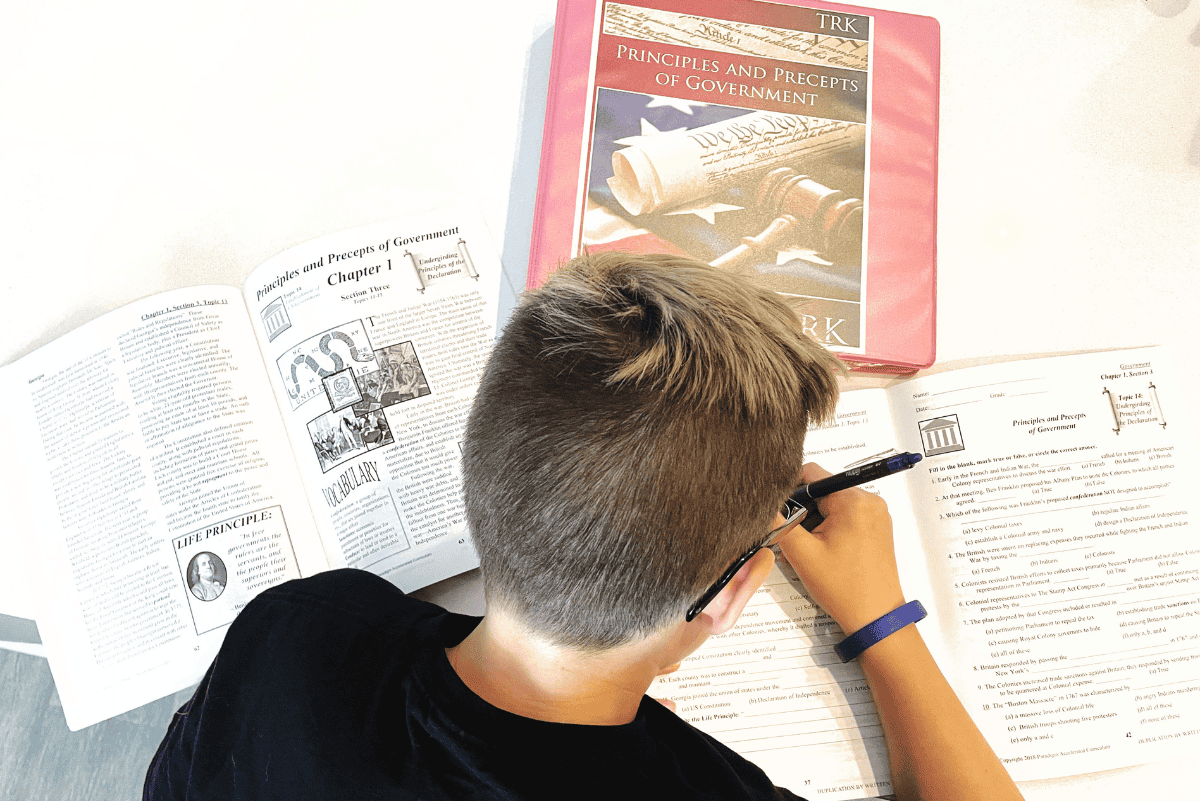
How We Taught Civics and Government at Home
Government was one of those subjects that felt difficult to make interesting at first, especially compared to history.
Since broader social studies are covered elsewhere, this section focuses on what we used specifically to teach government and civics at home.
- Civics homeschool curriculum – Structured lessons that explain the branches of government, elections, and citizen responsibilities.
- Government homeschool curriculum from Paradigm Accelerated Curriculum – A high school-level program that breaks down U.S. government in clear, manageable units.
- Presidents unit studies – Focused projects and activities that explore the lives and leadership of U.S. presidents.
How Music Became Part of Our Homeschool
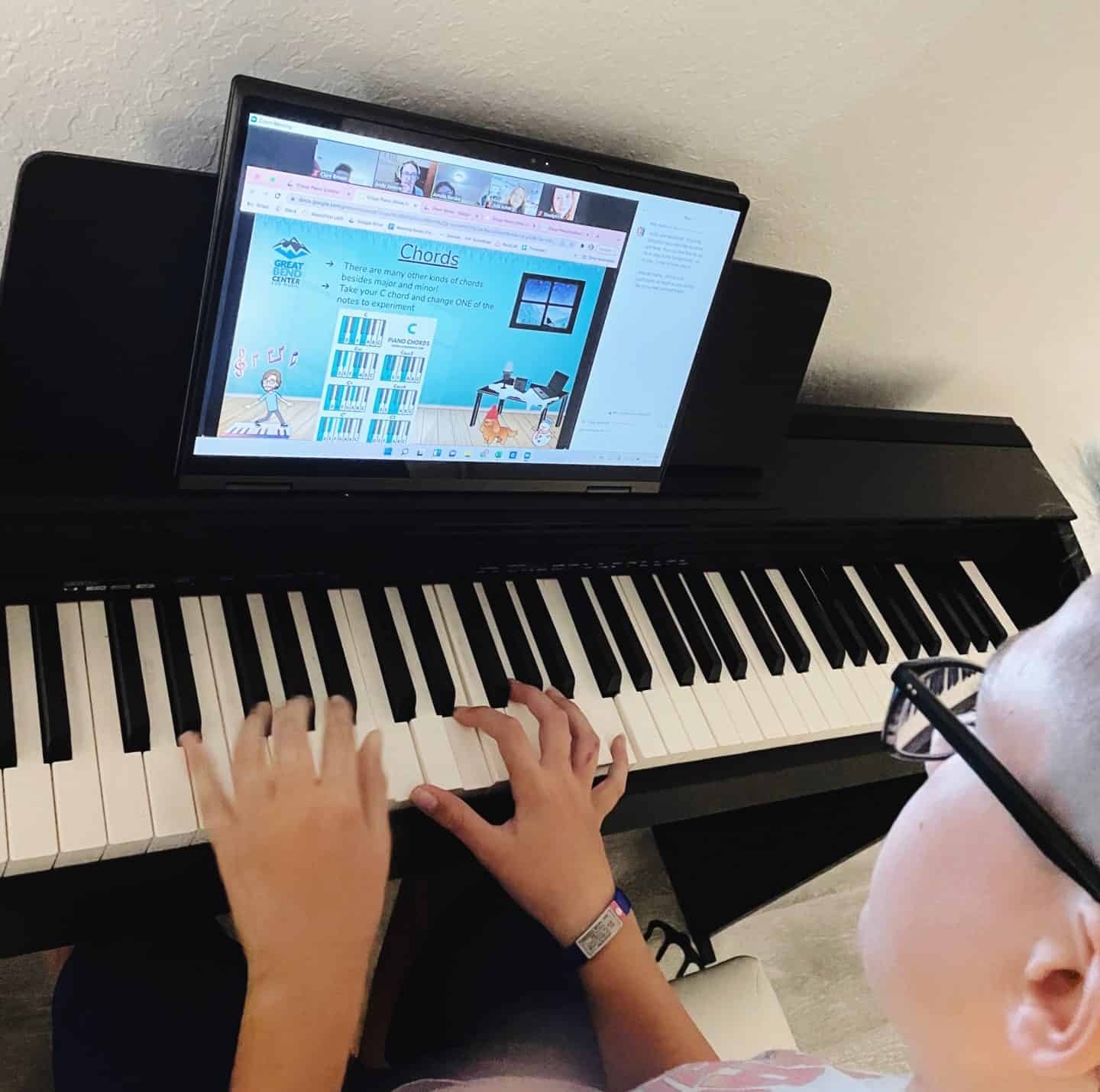
Music wasn’t a big part of our homeschool until about a year ago, when our son began online music lessons. What started as a casual introduction quickly turned into a real passion.
Now he’s learning about composers, taking in-person lessons, and exploring different instruments, making music an exciting and regular part of our week.
Here are some of the music tools and programs that helped us get started:
- Homeschool music curriculum – Structured programs that cover music theory, history, and basic performance skills.
- Composer worksheets – Printable activities that help kids learn about famous composers and their works.
- Composers unit study – Multi-lesson studies that combine biography, listening activities, and music appreciation.
- Children’s online piano lessons – Interactive lessons that made starting piano approachable and fun.
- Great Bend Center for Music review – Our experience with a program focused on early childhood music education.
How We Keep Art Simple in Our Homeschool
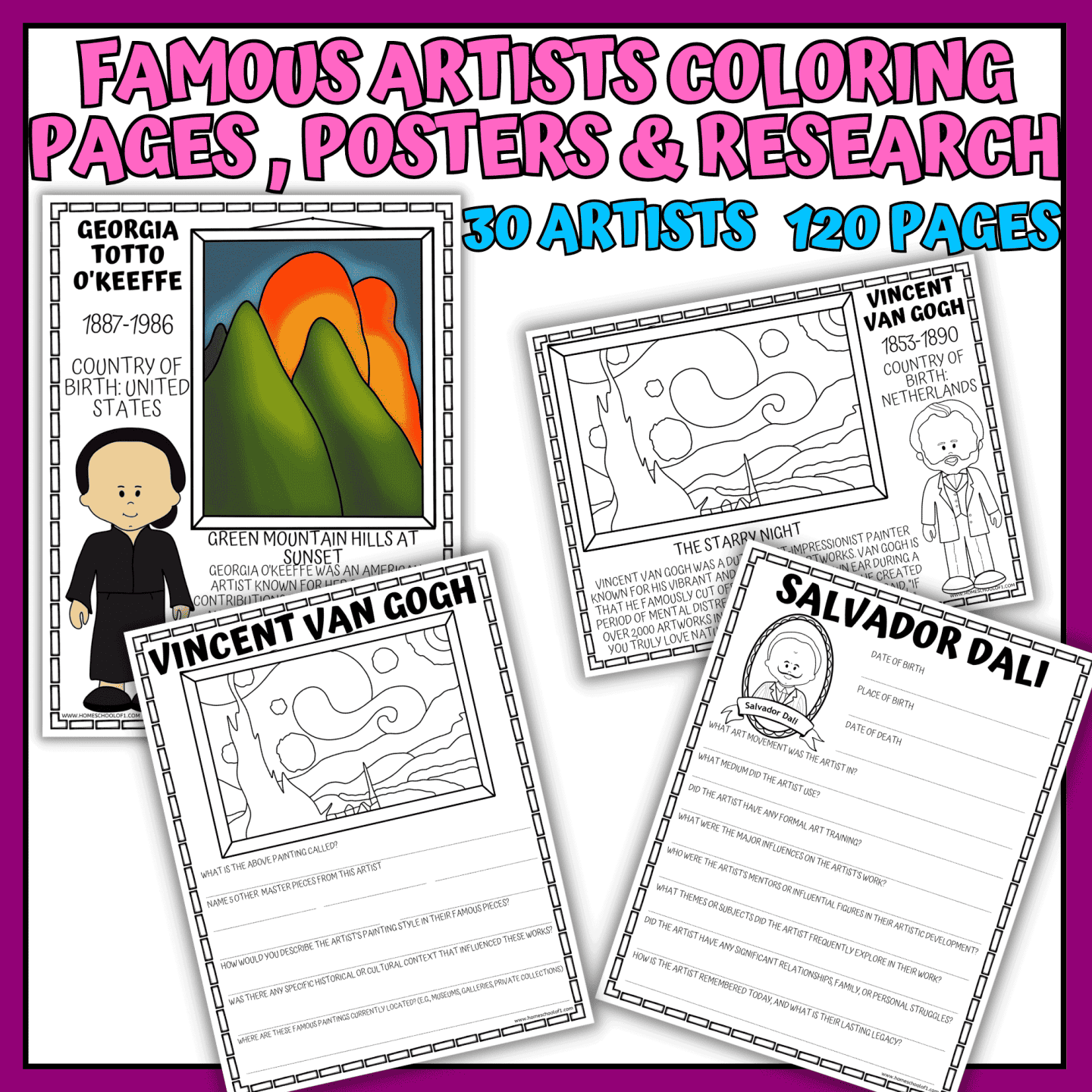
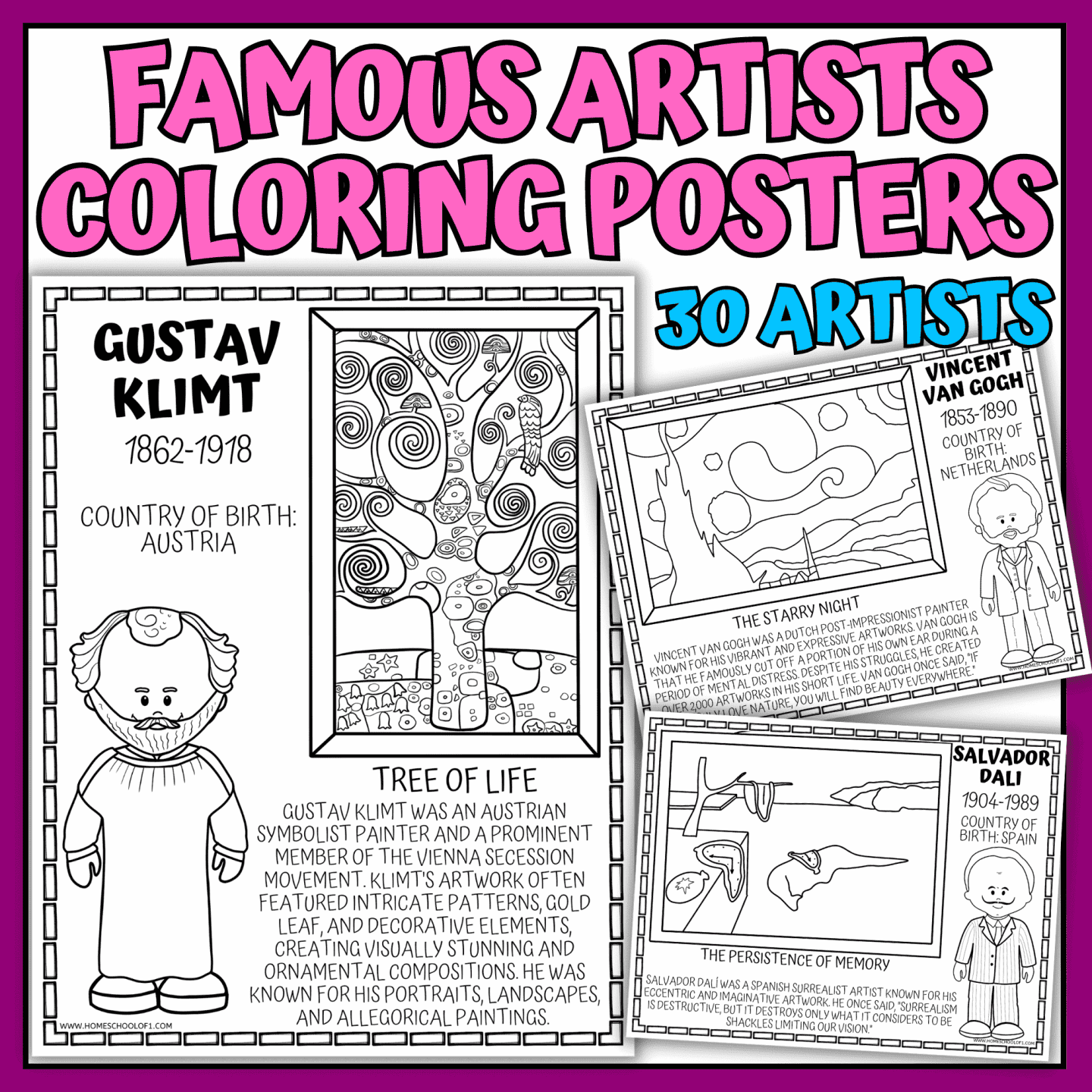
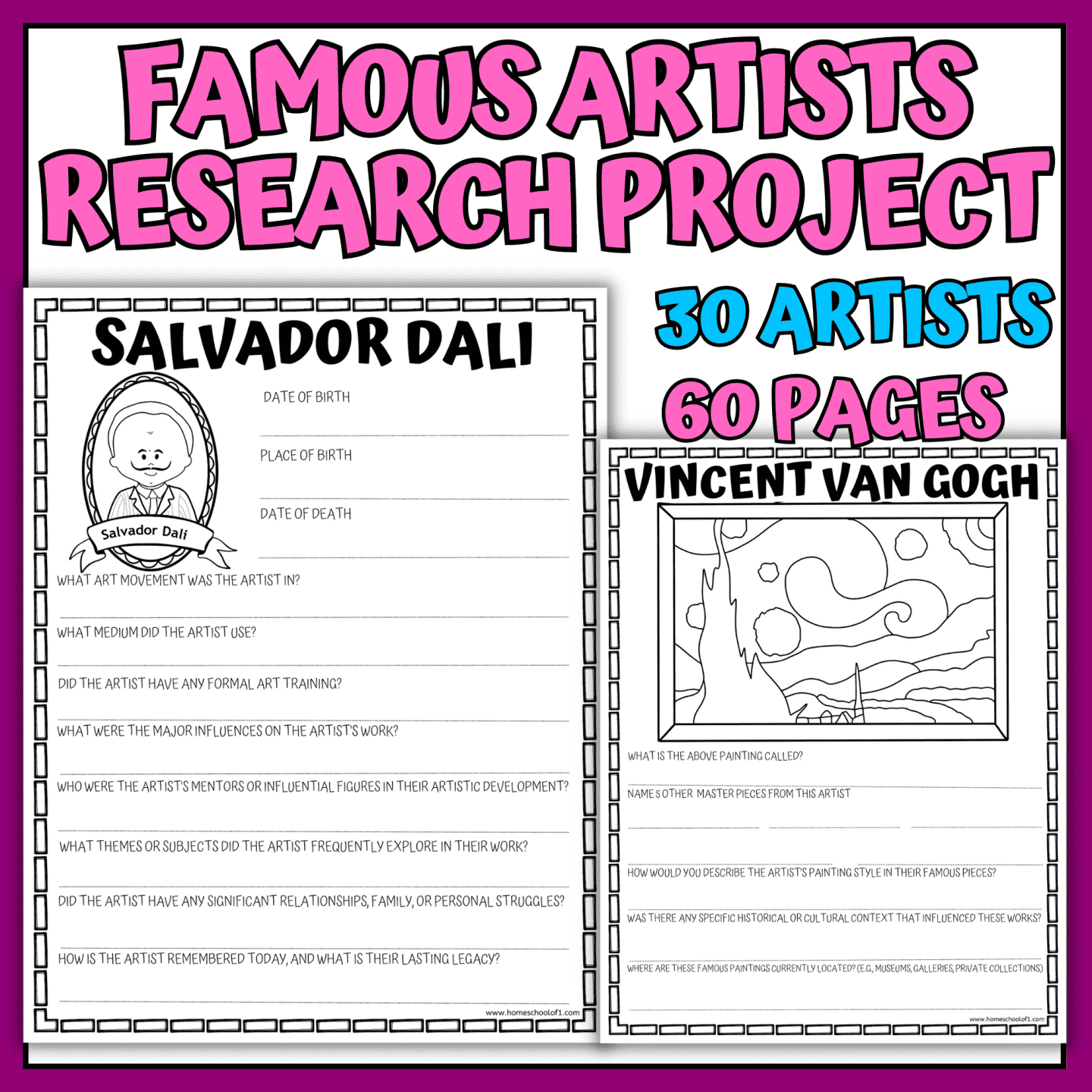
We haven’t formally studied art yet, but it’s still an important part of our homeschool. Instead of structured lessons, we use coloring and drawing as a stress-relieving tool, just 30 minutes of sketching helps my son refocus and unwind.
When we’re ready to dive deeper, these are some of the creative tools and programs we’ve either tried or plan to explore:
- Best art curriculum – Comprehensive programs that teach techniques, art history, and creative expression.
- Famous Artists unit study – Lessons and projects that introduce kids to the lives and styles of influential artists.
- KiwiCo Doodle Crate review – Hands-on art and craft projects designed for older kids and teens.
- KiwiCo Maker Crate review – Advanced DIY projects that combine art, design, and engineering skills.
How We’re Navigating Middle and High School at Home
Once we moved into the middle and high school years, homeschooling started to feel very different. We spent less time on crafts and hands-on projects, and much more time thinking about transcripts, independent learning, and what came after high school.
- Middle school homeschool curriculum – Well-rounded programs that bridge the gap between elementary and high school.
- Typing curriculum for homeschoolers – Structured lessons that build speed and accuracy for academic and career needs.
- 6th grade homeschool curriculum – A year-by-year plan tailored to the needs of early middle schoolers.
- 7th grade homeschool curriculum – Resources that challenge students while encouraging independent work.
- Homeschool curriculum for high school – Comprehensive programs that meet graduation requirements and college prep standards.
- Career test for teenagers – Tools that help teens identify interests and potential career paths.
Early Learning Programs Worth Exploring for Homeschoolers
While we didn’t homeschool during the preschool and kindergarten years, I’ve explored some fantastic early learning programs as a secular homeschool blogger. If you’re looking for engaging, play-based resources for young children, these are worth checking out.
- ABCMouse review – An interactive program that blends games, songs, and lessons for early learners.
- Schoolio review – A flexible curriculum that introduces core subjects through fun, hands-on activities.
How We Handle PE in Our Homeschool
PE was something I originally worried about when we started homeschooling, but we’ve found plenty of ways to stay active. Our daily routine includes short walks around the neighborhood, and we’ve also discovered homeschool-friendly fitness activities that make movement fun.
There are plenty of free ways to keep active as a family, as well as more structured programs for those who want a formal PE approach.
- PE ideas for homeschool – Simple, adaptable activities that fit easily into your day.
What We’ve Learned About Homeschooling Over the Years
Homeschooling isn’t always easy, but we absolutely love it. Over the years, we’ve learned a lot about choosing curriculum, staying organized, managing challenges, and adapting to different learning styles.
Whether you’re just starting out or looking to refine your approach, these homeschooling resources, strategies, and insights have helped make the journey smoother for us, and they might do the same for you.
Homeschooling Techniques
- What is gameschooling? – How playing board and card games can be a powerful way to learn.
- Best planner for homeschool moms – Tools that keep lessons, goals, and schedules in order.
- Digital homeschool lesson planner – Paper-free options for organizing your homeschool year.
- How to keep records for homeschool – Simple methods for tracking progress and meeting requirements.
- Different homeschool styles – An overview of popular approaches and how to find your fit.
Homeschooling Challenges
- Tips for homeschooling a child with ADHD – Strategies that keep lessons focused and flexible.
- Homeschooling a gifted child – Ways to challenge and inspire advanced learners.
- How much does homeschooling cost – A breakdown of typical expenses and how to budget.
- ADHD books for parents – Helpful reads for understanding and supporting your child.
- Homeschool curriculum for ADHD – Programs that work well for active, hands-on learners.
- Homeschooling an only child – Making the most of one-on-one learning time.
- Map test for homeschool – An adaptive assessment tool for tracking academic growth.
Resources
- IXL homeschool reviews – Our experience with this online skills practice platform.
- Best homeschool blogs – Inspiring sites to follow for ideas and encouragement.
- Etiquette classes online – Lessons that teach manners and social skills.
- Best homeschool supplies – Essentials we reach for year after year.
- Best books on homeschooling – Reads that offer insight, strategies, and encouragement.
- Homeschool picture books – Stories that celebrate and explain homeschooling for kids.
Practical Tips
- Homeschool Black Friday deals – Where to find discounts on curriculum and supplies.
- Lunch ideas for homeschool – Easy, healthy options that fit into your day.
- First day of homeschool sign – A fun tradition for marking the start of the school year.
- Free printable all about me worksheet – A keepsake activity for the first week of school.
- Homeschool outdoor activities – Creative ways to learn and explore outside.
- Fun activities for homeschooling – Ideas to keep lessons fresh and engaging.
Educational Content
- Secular homeschool program – Comprehensive, faith-neutral programs that work for a wide range of learning styles.
- Best books for kids to read – Our go-to list for all ages and interests.
- Best homeschool board games – Games that blend learning with family fun.
- Usborne books for homeschooling – Colorful, fact-packed books kids love.
Exploring Homeschooling
- Homeschool name generator printable – A fun way to create a name for your homeschool.
- Homeschool pros and cons– Honest insights from our own experience.
- Homeschool sick days – How to adapt when learning has to slow down.
- Homeschool meme – Lighthearted humor for homeschool families.
Homeschooling Resources FAQs
Popular free homeschooling resources include Easy Peasy All-in-One Homeschool, Khan Academy, Ambleside Online, and the free printables available at Homeschool of 1.
Yes. Many families build full homeschool plans using library books, online resources, and free printables such as those shared on Homeschool of 1.
Most children need 2–4 hours of focused homeschooling each day, with younger students on the lower end and older students requiring more time.
Parents generally are not paid to homeschool. Some states and programs may provide funding or materials, but families usually cover costs themselves.
Easy Peasy All-in-One Homeschool, Khan Academy, and Ambleside Online are among the most widely used free homeschool curricula.
Consider your child’s learning style, grade level, and interests. Start with core subjects and adjust until you find a good fit.
Yes. Families often combine library books, unit studies, online programs, and free printable worksheets from sites like Homeschool of 1 instead of purchasing a boxed set.
Core homeschool subjects include math, reading, writing, science, and history. Families often add electives such as art, music, and foreign languages.
Rotate different resources, use games, books, and online lessons, and add seasonal activities to keep learning fresh.
Yes. High school resources include online classes, open courseware, GPA calculators, and electives such as personal finance printables at Homeschool of 1.
UK Home Education Resources and Tips
Before moving to the U.S., I homeschooled in the UK and learned a lot about navigating home education laws, choosing curriculum, and finding local support. If you’re homeschooling in the UK or just starting to explore it, these resources and tips can help.
- How to start homeschooling in the UK requirements and getting started.
- If you want to follow the UK National Curriculum I highly recommend this book – A resource that makes aligning lessons to the National Curriculum much simpler.
- Homeschooling programs UK – Options that work well for UK-based families, from full curriculums to flexible learning plans.
- Public speaking classes for kids – Confidence-building courses that help children develop communication skills.
Whether you’re new to homeschooling or several years in, I hope these resources give you a solid starting point.
Every family’s path looks different, but these tools have helped us create a homeschool we love. If you’re looking for even more printables and subject-specific ideas, explore our free printables hub or curriculum reviews section.
Last Updated on 21 May 2026 by Clare Brown
