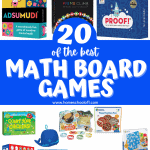
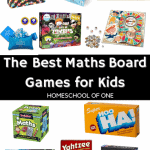
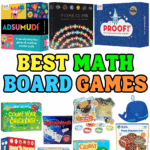
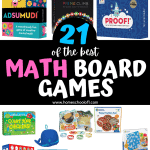
Math board games are a fun way to build real math skills without relying on worksheets and drills.
We’ve used games over the years to practice everything from counting and number recognition to addition, subtraction, multiplication, fractions, money, and problem-solving.
These are the math board games we’ve actually played and enjoyed, with options for preschoolers, kindergarteners, elementary students, and middle schoolers. I’ve grouped them by age to make it easier to find the right game for the skills your child is working on.
**This post may contain affiliate links. As an Amazon Associate and a participant in other affiliate programs, I earn a commission on qualifying purchases.**
Our Favorite Board Games That Teach Math
Some of the best math practice in our home hasn’t come from worksheets at all. When a game is fun enough to play again and again, kids naturally reinforce counting, number sense, operations, logic, and problem-solving skills along the way.
We’ve used these educational math board games during homeschool lessons, rainy afternoons, and family game nights. They provide a simple way to practice math concepts without it feeling like extra schoolwork.
Whether you’re looking for math board games for preschoolers, kindergarteners, elementary students, or middle schoolers, these are the games we’ve found ourselves returning to year after year.
Preschool and Kindergarten Favorites
Simple games that build early counting, number recognition, addition, and number sense through hands-on play.
Count Your Chickens
This was one of the very first math games we tried, and it’s such a gentle introduction to counting. The cooperative element made it perfect when my son was younger, we could focus on working together instead of winning or losing. It helped him recognize numbers and understand simple addition without any pressure.Related: Free math memory game printable
Continue Reading
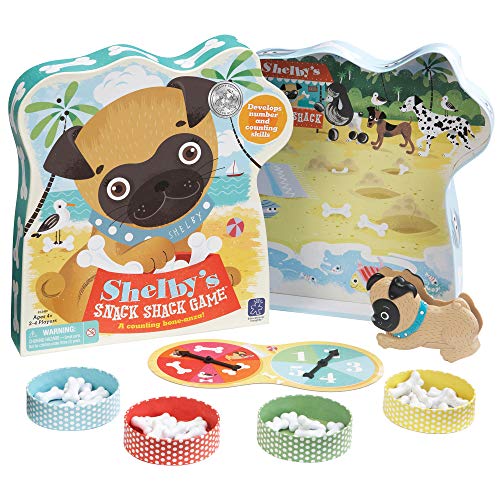
Shelby’s Snack Shack Game
This one was a hit purely because it involves a dog and snacks, what’s not to love? While it feels silly and playful, there’s actually a lot of counting and fine motor work happening. I especially liked how it introduced simple math without it feeling like a “math game.”Related: Free math bingo cards
Continue Reading
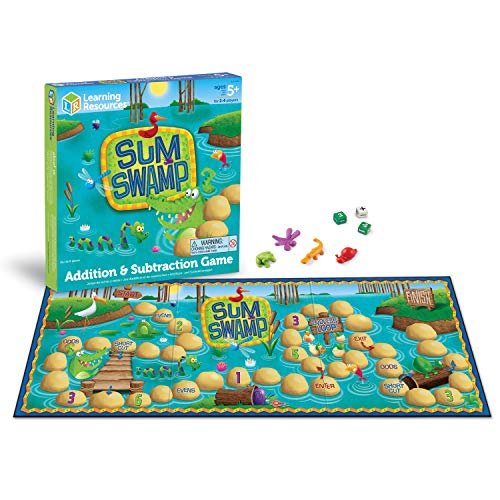
Sum Swamp
If I had to recommend one game to make early math stick, it would be this. We played it so much I could recite the rules in my sleep. It helped with basic addition and subtraction in such a hands-on, repeatable way. Even now, it’s a nostalgic favorite we keep around for younger visitors.This is one of the best board games for 5 year olds.
Continue Reading
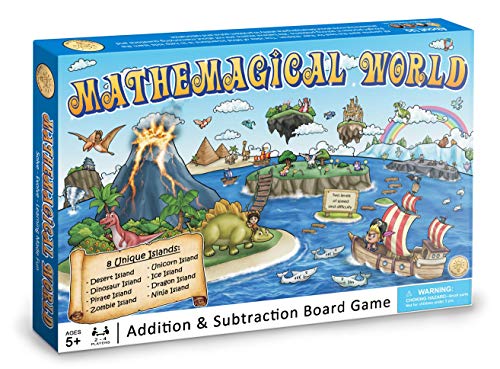
Mathemagical World
We used this when we were deep into fantasy books and stories, it made math feel like part of the adventure. The storyline helped hold his attention, and I liked how it encouraged problem-solving beyond just memorizing facts. It felt more like a math puzzle than a typical board game.
Continue Reading
MOBI Kids
This one worked well for us because I could make it easier or harder depending on where my son was. We started with simple addition using just the number tiles, then added operation tiles later to make each round more challenging.What stood out in play was that it could shift from gentle practice to faster-thinking math without much setup, so it was one of the easier games to keep in rotation.For extra practice at the right level, our addition problem generator lets you choose the number range and difficulty and create a new set of problems in seconds.
Continue Reading
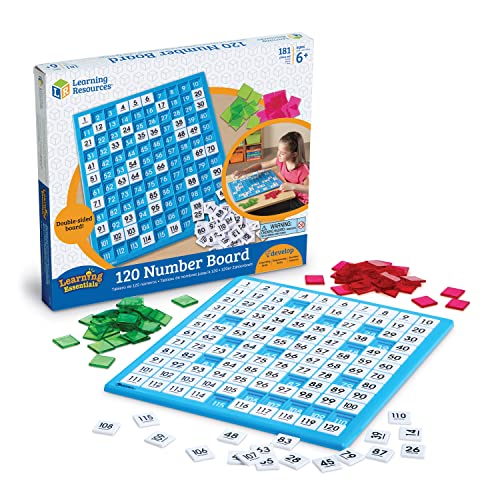
120 Number Board
This isn’t flashy, but it’s been surprisingly useful. We’ve used it for everything from skip counting to number patterns. It’s great for visual learners and worked best when we were focusing on place value or trying to solidify the number sequence beyond 100.Related: Best homeschool math workbooks.
Continue Reading
Best Games for Elementary Students
These games move beyond basic counting into addition, subtraction, multiplication, fractions, money, and mental math.
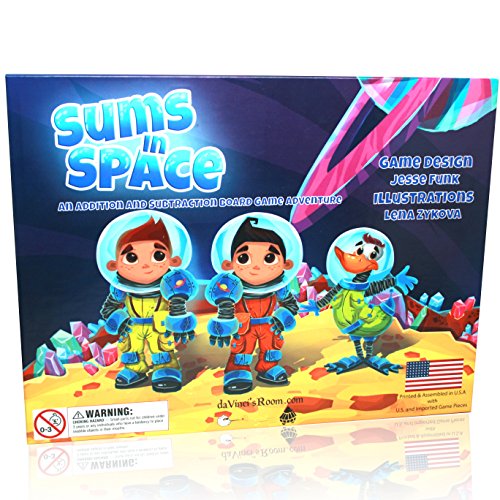
Sums in Space
This added a fun twist when we wanted something beyond just adding and subtracting. The space theme made it exciting, and it was one of the first times we introduced multiplication and division in a way that didn’t feel overwhelming. It kept my son engaged and gave him a sense of accomplishment when he got it right.Related: Free space counting worksheets
Continue Reading
Pizza Fraction
This was our go-to when we started learning about fractions. It made the concept so much easier to visualize, seeing slices of pizza just clicked in a way that a worksheet never could. We’d play this around lunchtime, and it honestly helped him grasp halves, thirds, and quarters without even realizing he was learning.
Continue Reading
Clumsy Thief Money Game
This game was a surprise hit. The fast pace and silly concept totally grabbed my son’s attention, and I loved how it helped him practice making ten and adding quickly under pressure. It’s a great pick for kids who need to sharpen money sense but don’t want anything that feels slow or too “educational.”This is one of the best board games about money.
Continue Reading
Blobby’s Pizza Math Card Game
This game mixes silliness with math in the best way. My son loves pizza, so the theme instantly got his attention. It’s a bit more structured than some card games, with lots of quick thinking and operations practice. Great for kids who enjoy collecting or building things as part of the game.
Continue Reading
Target Math Game
This one felt like a brain boost. It’s quick to set up and perfect for short bursts of practice, especially for mental math. We used it as a warm-up activity before diving into other schoolwork, and it definitely helped with speed and accuracy.
Continue Reading
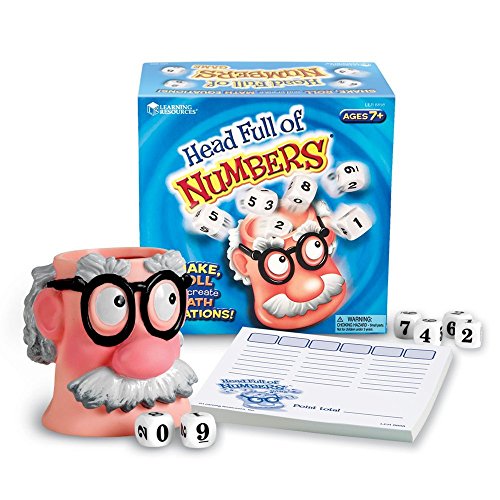
Head Full Of Numbers
This one was more of a thinking challenge, it took a few rounds to get into it, but once we figured it out, it became a fun mental workout. It’s not flashy or fast-paced, but it’s great for stretching those number muscles in a low-pressure way. We used it on quiet afternoons when he was in the mood for a puzzle.
Continue Reading
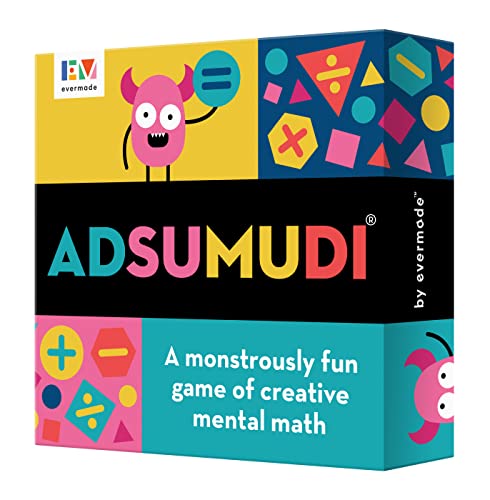
Adsumudi
Adsumudi ended up being great for building fluency, especially on days when he didn’t feel like doing a full lesson. I liked that we could change the difficulty level depending on what we were working on. It’s fast and light, but still gives a solid math workout.
Continue Reading
Monopoly
We all know Monopoly takes forever, but it was honestly worth the time when we were working on real-world math. From budgeting to counting money and making change, it covers so much without needing any formal lesson. We’d play the shorter version during the week, and it still gave us plenty of math practice.
Continue Reading
Games for Middle Schoolers
More challenging games that encourage mental math, strategy, logic, and problem-solving without feeling like schoolwork.
Smath
Smath reminded me a bit of Scrabble but with numbers, and it really challenged him to think ahead. At first, we played it together so I could help with strategy, but over time he got the hang of making longer equations. It’s a smart game for reinforcing all four operations once the basics are down.
Continue Reading
Proof!
Proof! is one of those games that really pushes you to think fast. We brought it along on a trip once and ended up playing it way more than expected. It’s competitive but not stressful, and great for reviewing math facts in a more engaging way. Perfect for kids who already have the basics down and want a challenge.Related: Order of operations board games
Continue Reading
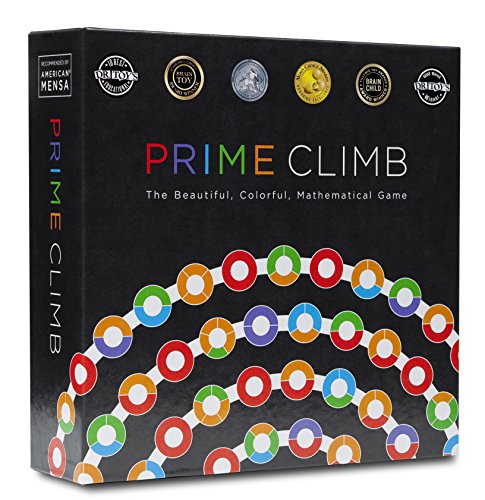
Prime Climb
This one is a favorite for more advanced math without being overwhelming. I loved how it naturally reinforced concepts like prime numbers and factors without needing to stop and explain too much. It’s colorful, strategic, and definitely a level up from the simpler math games we started with. We still pull it out when we want something a little more thoughtful.
Continue Reading
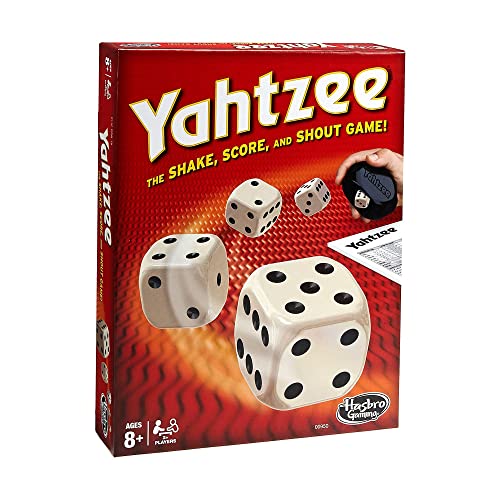
Yahtzee
We started playing Yahtzee mostly for fun, but I quickly realized how much math was involved, adding up dice, calculating scores, and thinking through probabilities. It’s a great way to sneak in mental math without it feeling like schoolwork. Plus, it’s one of the few games that’s just as fun for adults, so we still pull it out regularly.
Continue Reading
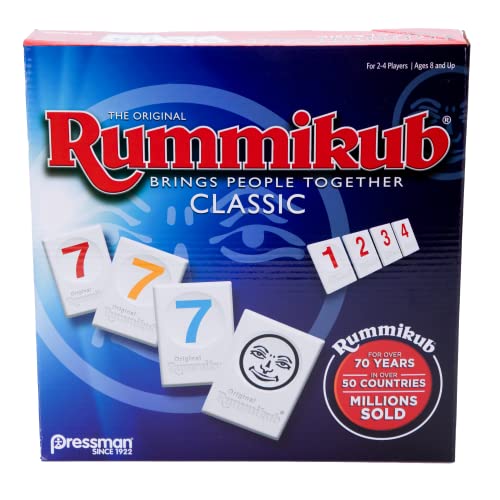
Rummikub
This one was more about logic and sequencing than direct math facts, but it worked really well for number sense and flexible thinking. I liked how it encouraged him to look for patterns and reorganize his pieces, it felt like quiet problem-solving disguised as a game.
Continue Reading
The math board games we’ve returned to most are the ones that match the skills we were working on at the time. Whether that was counting, fractions, mental math, or problem-solving, having a game to pull out gave us an easy way to practice without another worksheet.
Start with the age group and math skills you want to reinforce, then choose a game your kids will actually want to play more than once.
Last Updated on 29 September 2026 by Clare Brown