Geography games for middle school can make a big difference when maps and capitals start to feel repetitive.
At this age, students need more than worksheets to remember countries, flags, and physical features. The right mix of board games and online map quizzes turns review time into something competitive and memorable.
These are the games that have worked well in our homeschool and would fit just as easily into a classroom setting.
**This post may contain affiliate links. As an Amazon Associate and a participant in other affiliate programs, I earn a commission on qualifying purchases.**
Board & Online Geography Games
These games mix strategy, trivia, and map skills to make geography more interactive. Some work well for family game night, while others are perfect for quick classroom review or independent practice.
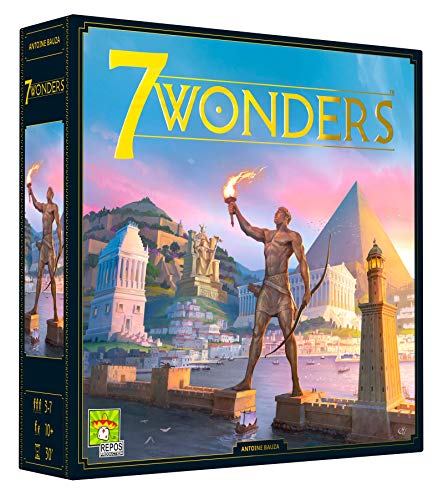
7 Wonders Board Game
This isn’t a traditional geography game, but it naturally sparks conversations about ancient civilizations and where they were located. As players build cities and develop resources, you end up talking about places like Rhodes and Babylon without it feeling like a lesson. It works especially well with middle schoolers who enjoy strategy but don’t want something that feels “educational.”Use it with our free Colossus of Rhodes worksheet too.
Mount Cleverest turns geography review into a race. Players answer trivia about latitude, longitude, countries, and capitals as they try to reach the summit first. It feels competitive in a good way, and because the questions are mixed, it works well for reviewing multiple topics at once. This is one we’ve used when geography started feeling repetitive.Related: Free geography scattergories boards.
Professor Noggin’s Wonders of The World Trivia Card Game
This card game is easy to pull out for a quick review session. The questions focus on major landmarks like the Great Wall and the Taj Mahal, which helps connect geography with history. I like that it’s low-pressure, you can play competitively or just use the cards as discussion starters.Related: Wonders of the World Unit Study
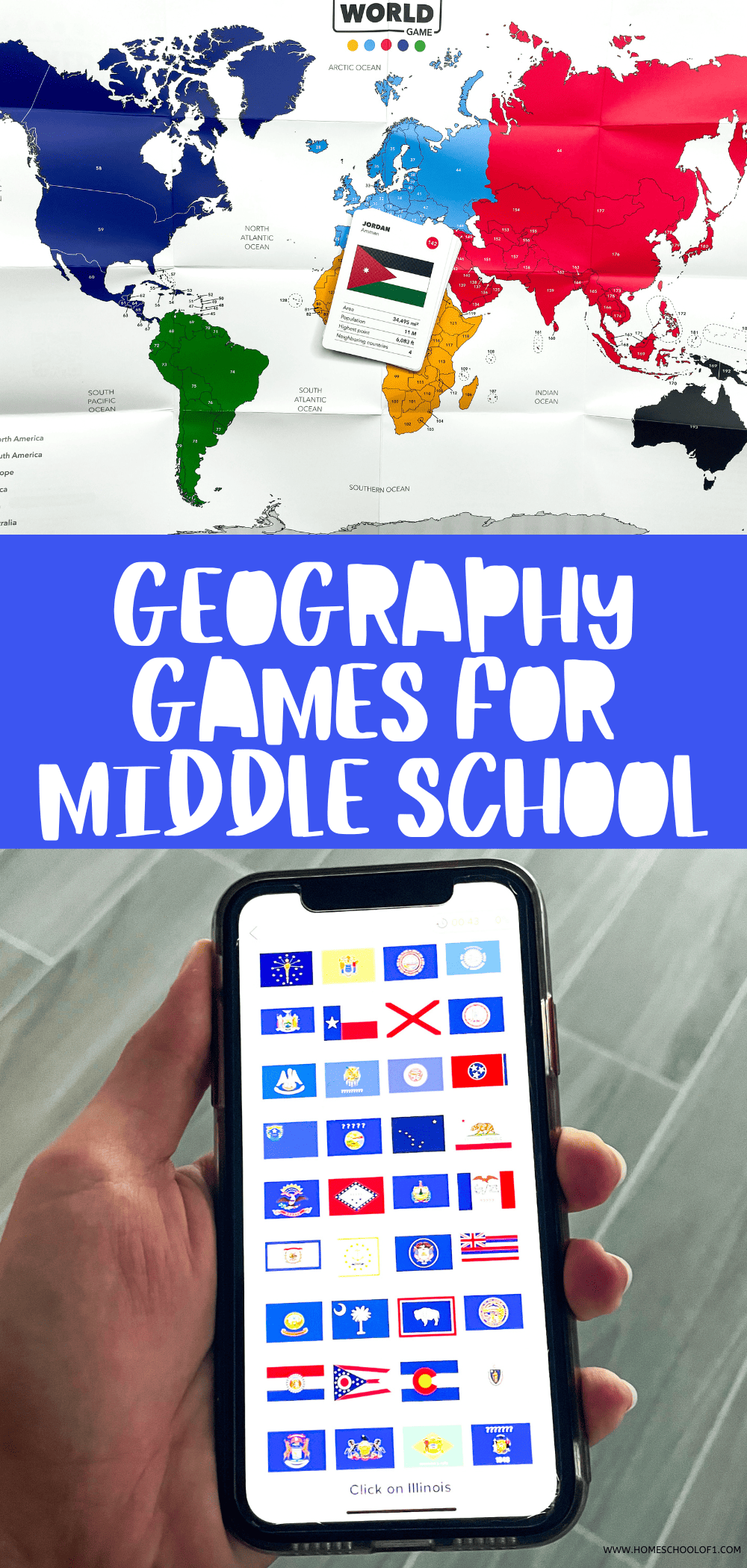
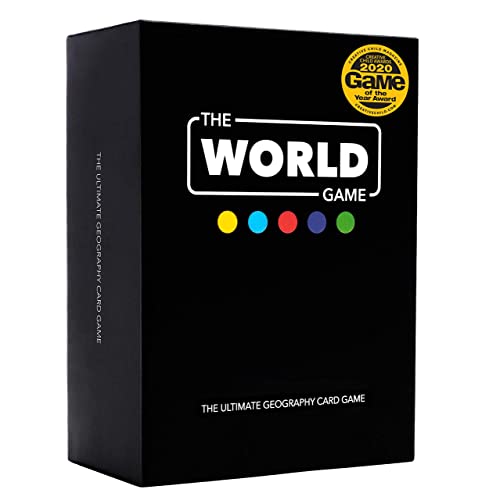
The World Game is more direct geography practice, capitals, flags, countries, and quick facts. It moves fast, which keeps middle schoolers engaged, and it works well for short bursts of review. If you want something straightforward that reinforces memorization without worksheets, this is a solid pick.This is one of the best fun card games for middle schoolers.
If your middle schooler already enjoys Catan, the Explorers & Pirates expansion adds a layer of map awareness and exploration. Players discover new islands, trade resources, and establish routes, which naturally leads to conversations about navigation and global trade. It doesn’t feel like a geography lesson, but the spatial thinking skills definitely carry over.
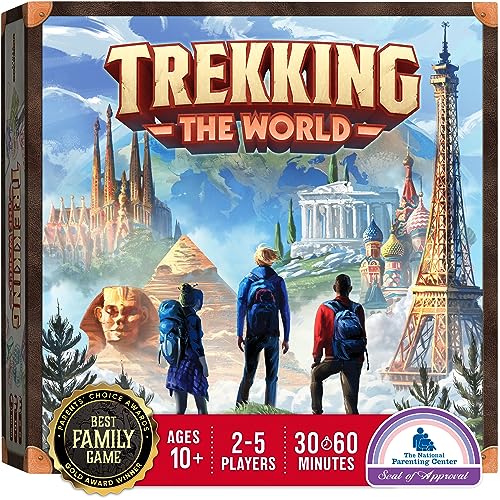
Instead of drilling capitals, this game lets students “travel” to real landmarks and collect souvenirs along the way. The board itself becomes part of the learning, since you’re constantly scanning a world map and planning routes. It’s especially good for middle schoolers who like strategy but still enjoy something visually engaging.
This version expands beyond a single country and uses a world map, which makes route planning more interesting. As players build railway and shipping routes between cities, they start noticing where places actually sit in relation to each other. It builds spatial awareness almost accidentally, which is usually when learning sticks best.
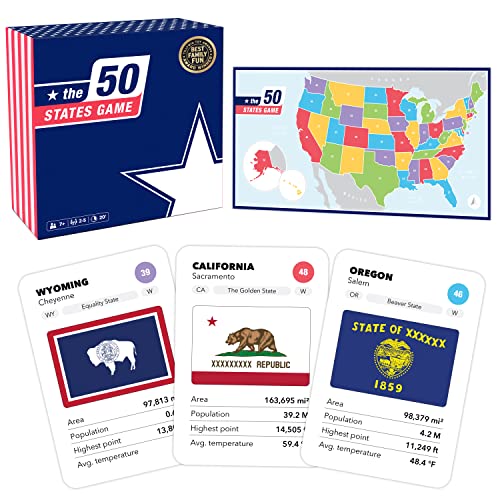
If you’re focusing on U.S. geography, this one is straightforward and effective. It reinforces state names, locations, and key facts without turning it into a test. It works well for review days or when you want something structured but still interactive.Related: 50 States unit study
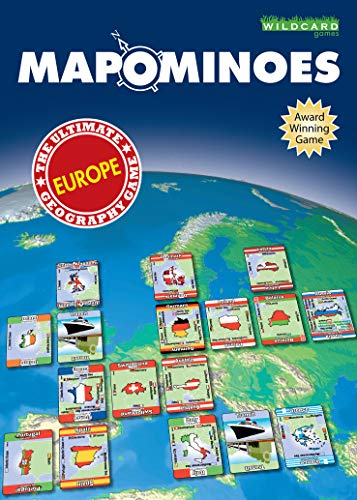
This plays like dominoes, but instead of matching numbers, players connect bordering countries. It’s simple in concept, but surprisingly challenging, especially when students realize they don’t actually know which countries share borders. It’s a great visual way to build map familiarity.Related: Free countries of Europe worksheet
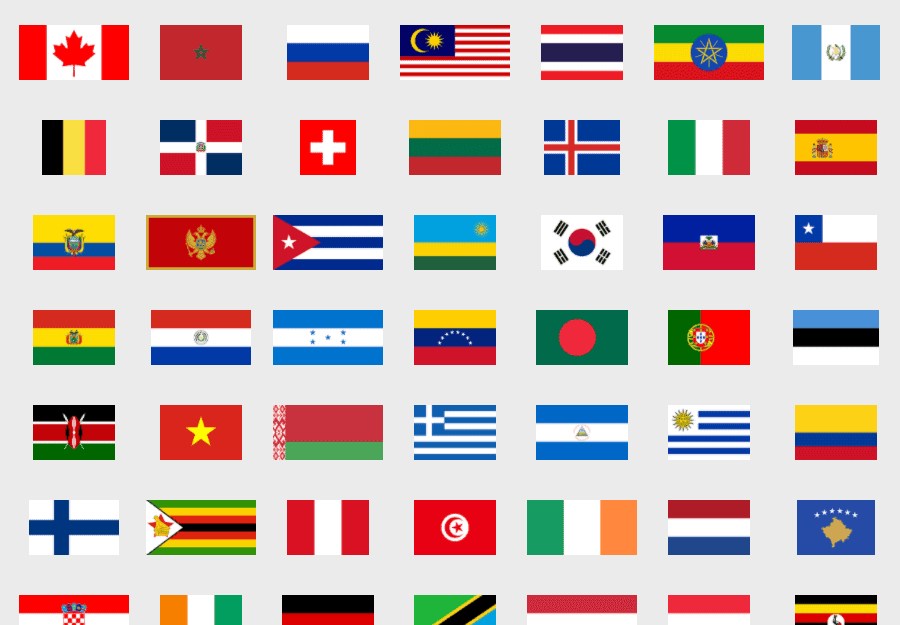
This is more of a quick quiz-style game, but it’s useful for reinforcing flag recognition. The slide-reveal format makes it feel less intimidating, and it works well for short practice sessions. I like using it as a warm-up activity rather than a full game night option.
This one feels more like a guessing game than a quiz. Players use clues to figure out which state is being described, which encourages actual thinking rather than just recall. It works well for review because students start connecting geography with landmarks, industries, and cultural details.This states of America game is an educational and fun way to learn about the United States.
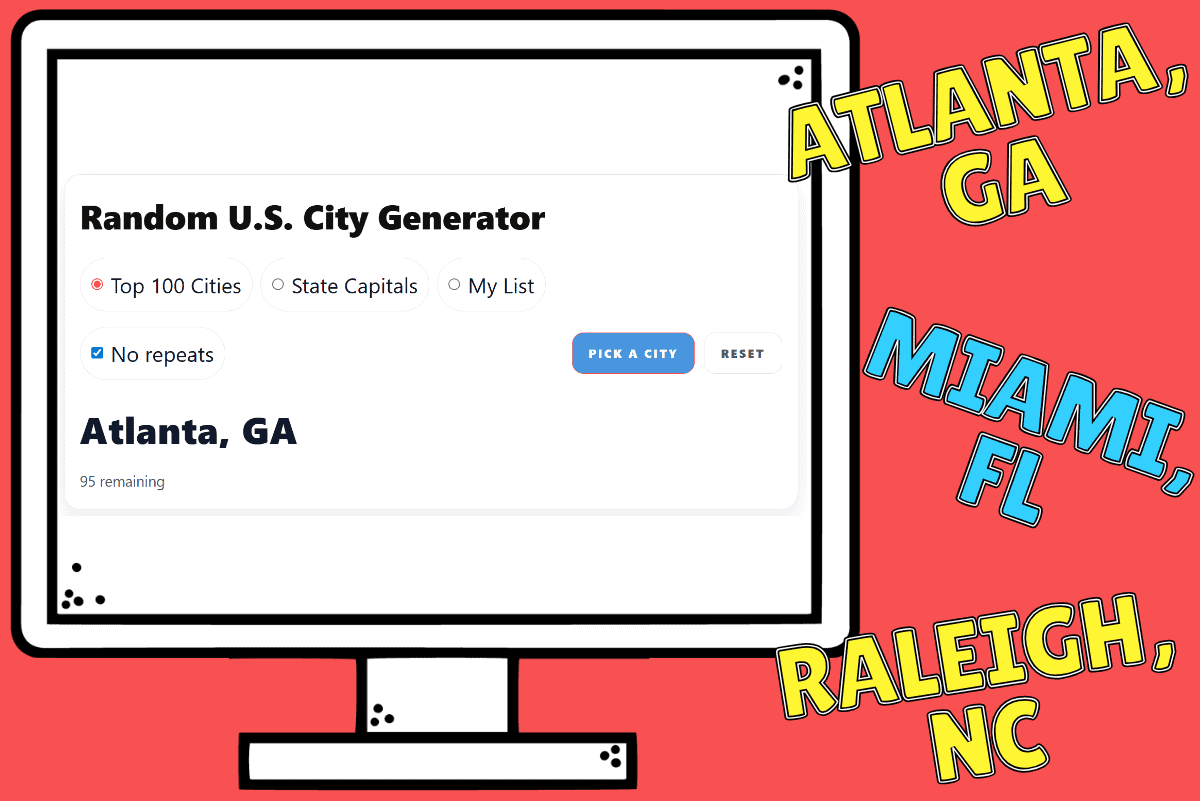
Sometimes you just need a quick prompt to start a discussion. This random city generator pulls from the top U.S. cities and gives you an instant starting point for map work, research, or a short geography challenge. We’ve used it for five-minute warmups, “locate it on the map” races, and even quick writing prompts tied to regional climate or landmarks. It’s simple, but it keeps review unpredictable.
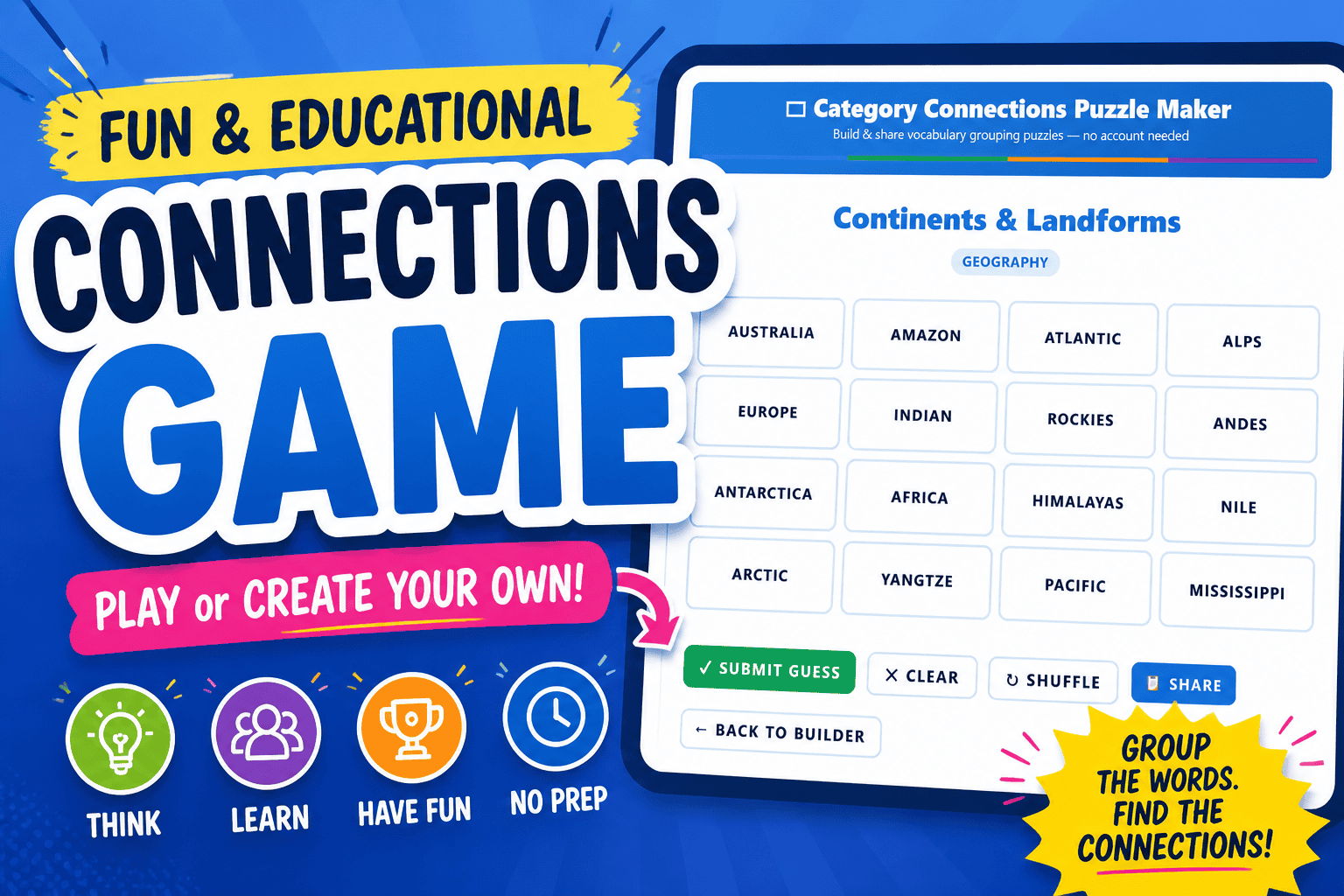
This geography-themed connections game challenges students to group countries, landmarks, climates, continents, and physical features into related categories. It works especially well for middle school review because students have to think about how places connect rather than just memorizing facts. We’ve used it for quick warm-ups, partner activities, and end-of-unit geography review.
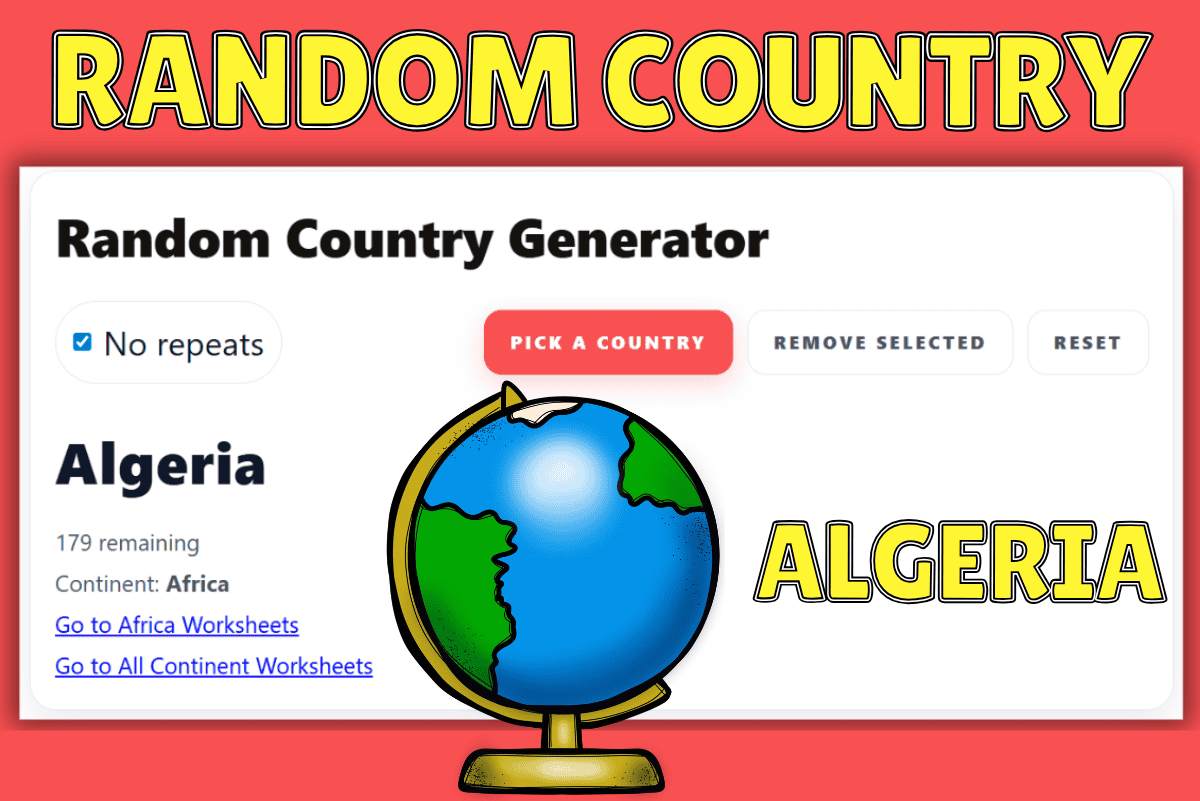
This one works especially well when geography feels stuck in one region. The generator selects a random country and links directly to continent information and related worksheets, which makes it easy to pivot into a focused mini-lesson. It’s great for daily geography practice, research projects, or quick map labeling exercises when you want variety without extra prep.
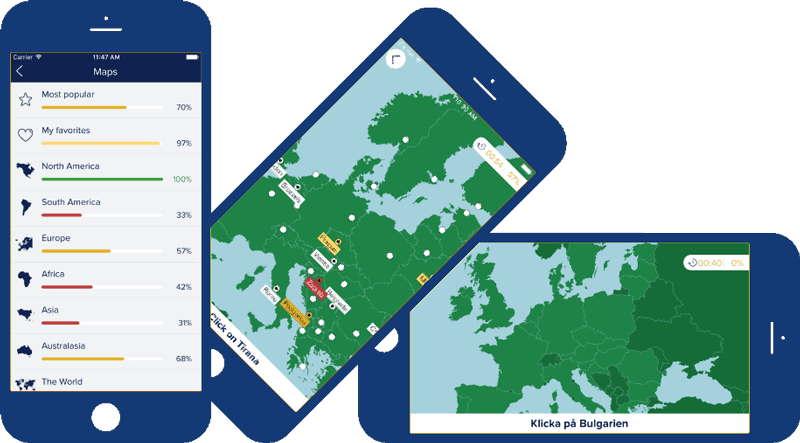
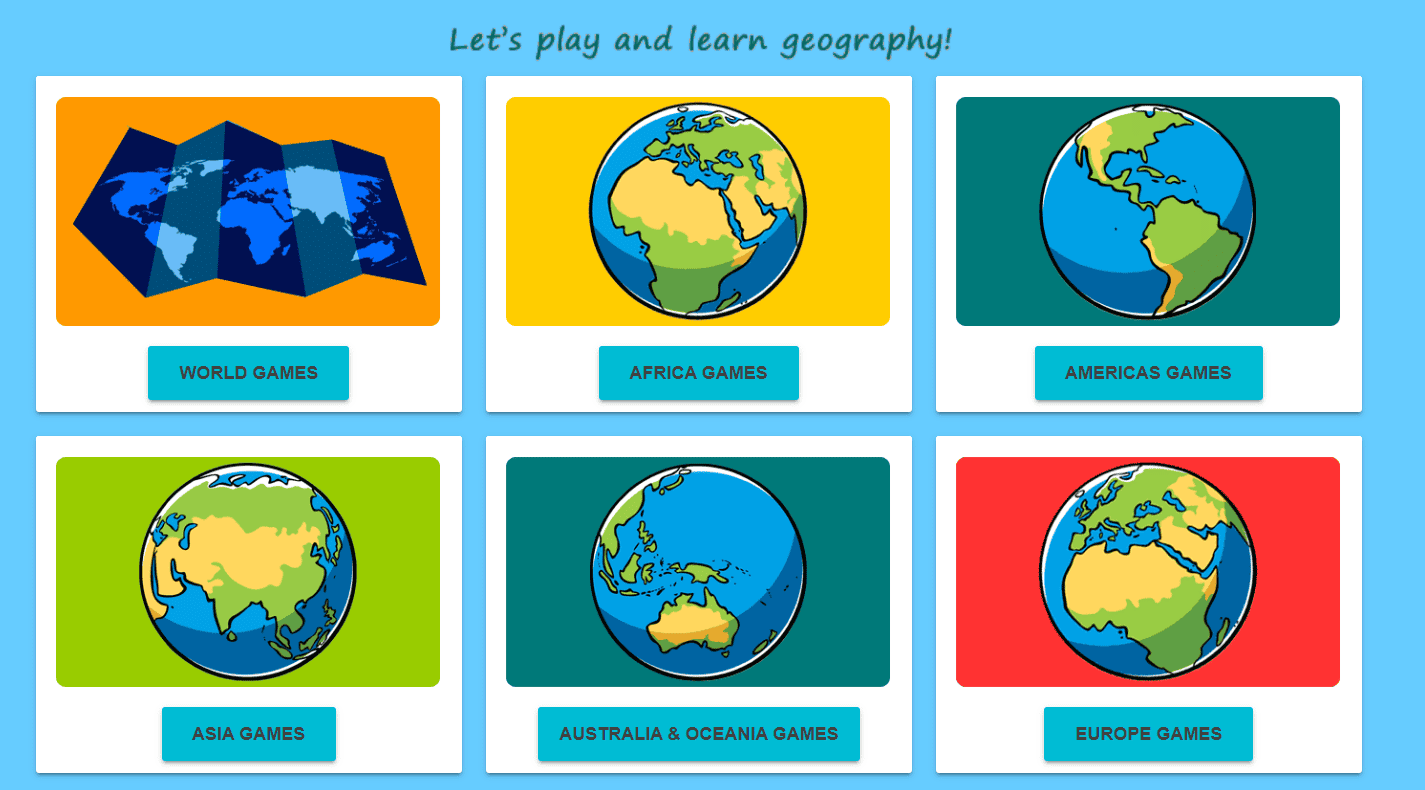
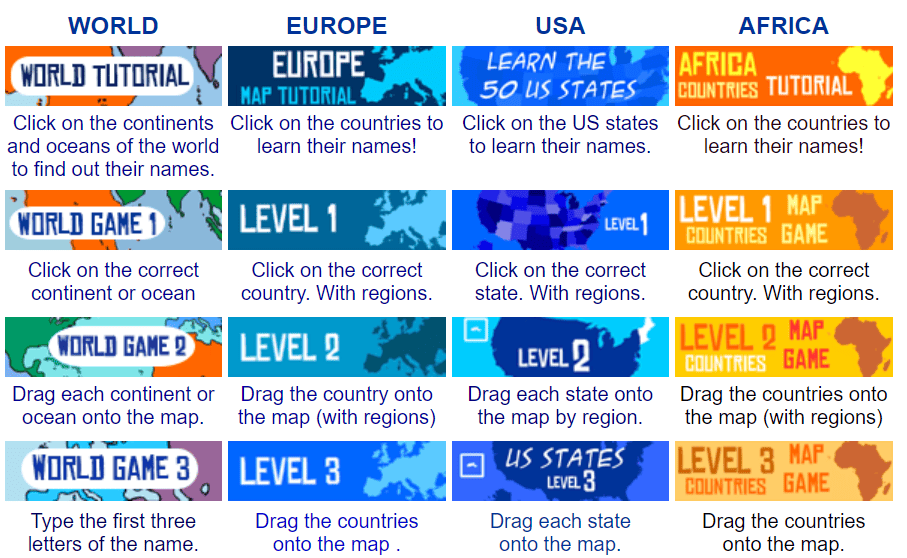
Seterra is one of the simplest online map quiz tools, but that’s part of why it works. Students can focus on one region at a time, Europe, Africa, U.S. states, and repeat quizzes until they improve. It’s especially useful for independent practice because it gives instant feedback without a lot of distractions.
City Guesser uses real-world video footage and asks students to figure out where they are based on visual clues. It’s more immersive than a standard quiz and encourages observation skills. Middle schoolers tend to get competitive with this one, especially when trying to narrow down continents.
This site organizes quizzes by continent and topic, which makes it easy to assign focused practice. If you’re covering Africa or South America, you can jump straight to that section. It’s straightforward and practical for reinforcing map skills.
Sheppard Software has been around for years, and the geography section is still useful. The games move from easier identification tasks to more detailed challenges, so students can build confidence gradually. It’s not flashy, but it does the job well for structured review.
This one feels more like a mystery than a geography lesson. Students follow clues across different countries using Google Earth, which makes them pay attention to landmarks, landscapes, and cultural details. It works especially well for middle schoolers who enjoy problem-solving and don’t love straight memorization.
GeoGuessr drops players into a random Street View location and asks them to figure out where they are. Students start noticing road signs, architecture, vegetation, even which side of the road cars drive on. It builds real-world geography awareness in a way that feels surprisingly addictive.
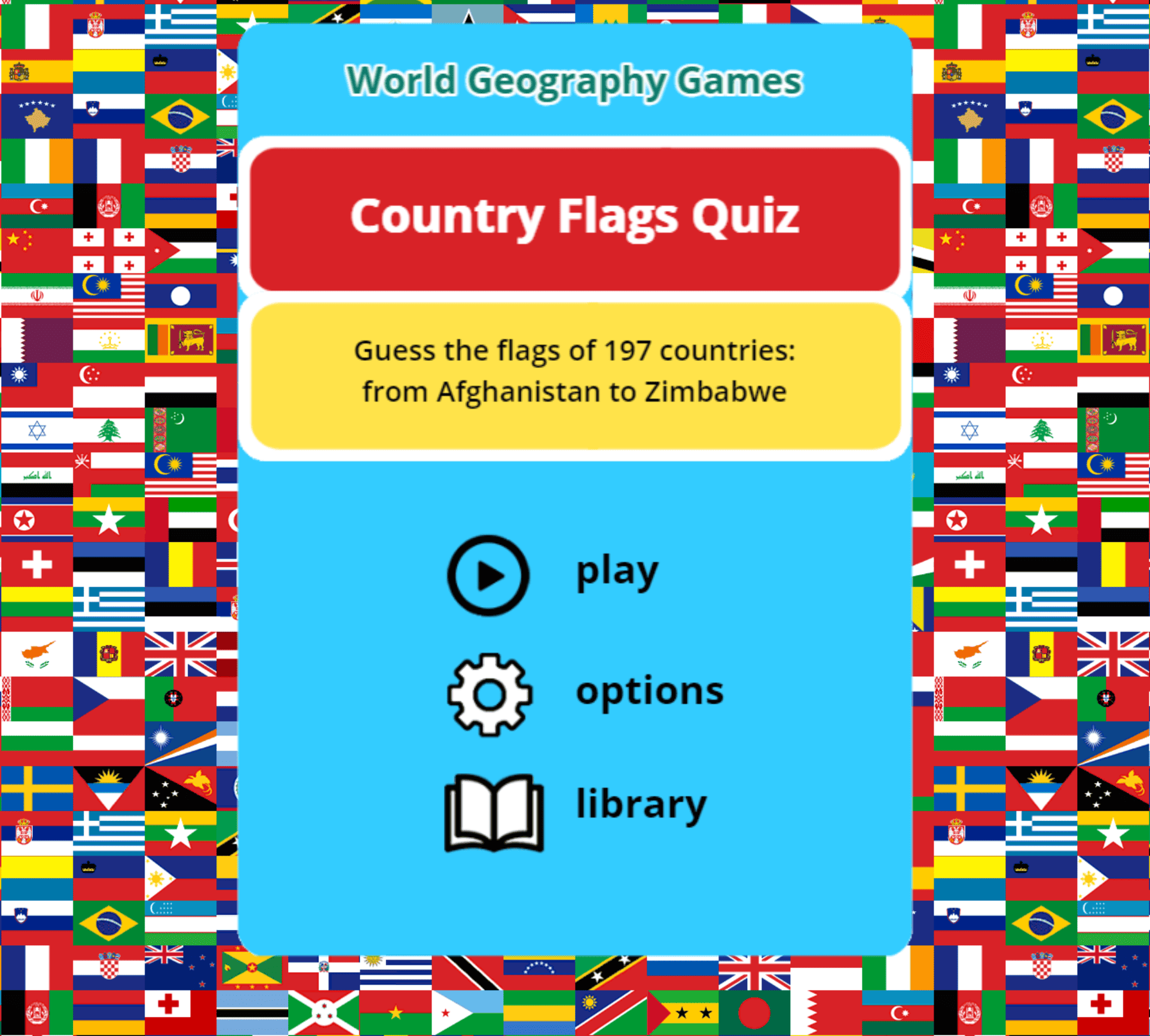
If your student needs flag practice, this one is simple and direct. It’s best used in short sessions rather than long stretches. I’ve found it works well as a quick warm-up before moving into a larger geography lesson.
This site offers a mix of continent maps, country identification, and physical geography quizzes. It’s useful when you want something structured but not overly complex. Because the quizzes are short, it fits easily into a 10–15 minute review block.
Middle school is where geography either clicks or gets forgotten. Games help because they add repetition without feeling repetitive.
When students compete to name capitals or locate countries, they see the map over and over. That visual exposure builds memory faster than reading a list. Strategy games also strengthen spatial awareness, since players constantly think about distance, borders, and routes.
The biggest difference, though, is engagement. When geography feels like a challenge instead of a worksheet, students tend to remember what they learned. For families building a more complete plan, these games also pair well with a structured world geography homeschool curriculum.
Clare Brown is the founder of Homeschool of 1. She creates free printables and interactive learning tools for kids, helping parents and teachers generate activities instantly with no prep. Her work has been featured in Parade, HuffPost, Business Insider, Motherly, AOL, and Yahoo. Read more.