Homeschool Curriculum Reviews (Best Programs We’ve Used)

These homeschool curriculum reviews are based on seven years of homeschooling and more than 70 programs we’ve actually used.
We’ve tried everything from full online homeschool programs to individual math, science, history, and language arts curricula. Some were excellent, some worked well for a particular stage, and others simply weren’t right for us.
Rather than giving you a huge list of programs I haven’t personally tested, I’ve pulled together our real experiences here. You’ll find our favorite homeschool curriculum by subject, what each program is best for, and links to my full reviews where you can see exactly what we liked and didn’t like.
If you’re just getting started, my how to start homeschooling guide covers what to sort out before choosing your curriculum.
**This post may contain affiliate links. As an Amazon Associate and a participant in other affiliate programs, I earn a commission on qualifying purchases.**
Best Homeschool Curriculum by Subject
If you don’t want to read through every review, these are some of the homeschool programs that have stood out most during our years of homeschooling.
| Subject | Our Top Picks | Best For |
|---|---|---|
| Math | Teaching Textbooks & Mr. D Math | Independent learners and middle/high school math |
| Science | Real Science Odyssey | Hands-on secular science |
| History | Sonlight | Literature-based history |
| Language Arts | Night Zookeeper & Learning Language Arts Through Literature | Engaging writing and literature |
| Foreign Language | Japanese From Zero | Independent and interest-led language learning |
| Economics | Mr. D Math | Practical high school economics |
| Financial Literacy | Moneytime | Real-world money skills |
| Typing | Typesy | Structured keyboarding practice |
There isn’t one best homeschool curriculum for every family. Age, learning style, independence, budget, and whether you prefer online or book-based learning can completely change which program works best.
That’s also why our favorites have changed over the years.
How We Review Homeschool Curriculum
I only include programs here that we have actually used as part of our homeschool or as supplemental learning.
When deciding whether a curriculum worked for us, I look at:
- How engaging it was
- How easy it was to use consistently
- Whether my son could work independently
- The quality and depth of the lessons
- How much parent preparation was required
- Whether it offered good value for money
- Most importantly, whether we would actually use it again
You can follow the individual links below for much more detailed homeschool curriculum reviews, including our personal experience with each program.
Homeschool Math Curriculum Reviews
Math has probably been one of the subjects where choosing the right curriculum has mattered most.
We’ve found that clear explanations, manageable lessons, and the ability to work independently make a huge difference.
Teaching Textbooks
Best for: Independent learners who prefer online math
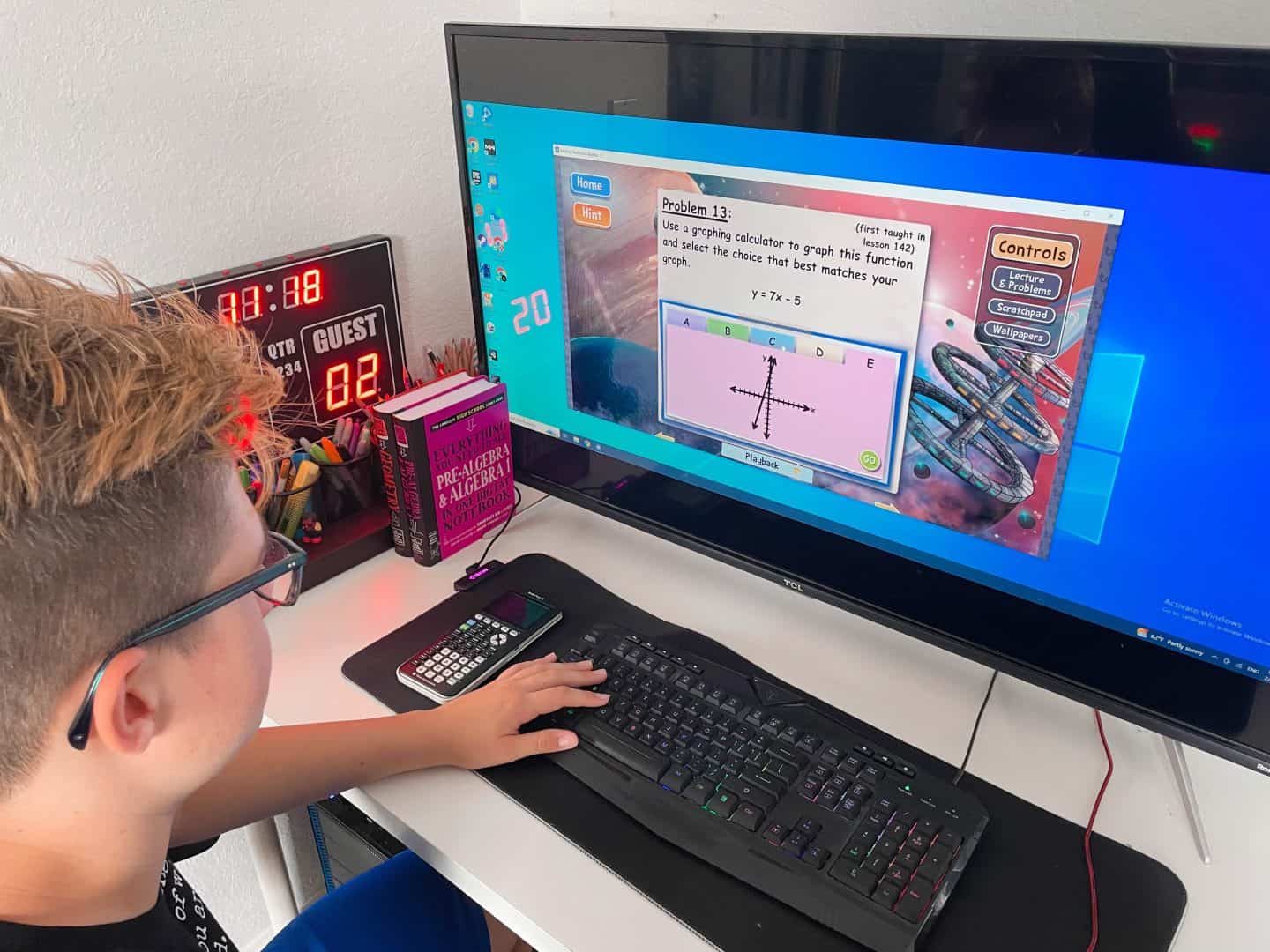
Teaching Textbooks has been one of our most-used math programs. The lessons are taught online, grading is automatic, and students can work through much of the program independently.
We used it for algebra and found the straightforward structure particularly useful. It is also one of the programs I recommend looking at for kids who benefit from working at their own pace.
Read our Teaching Textbooks review or see how we used it for homeschool Algebra.
I’ve also shared our experience using Teaching Textbooks with ADHD-friendly pacing.
Mr. D Math
Best for: Middle and high school students who learn well from video instruction
Mr. D Math has worked particularly well for higher-level math. The teaching style is engaging without making lessons unnecessarily complicated, and it encourages students to become more independent.
We used Mr. D Math for geometry and have also used other Mr. D courses over the years.
You can read our full Mr. D Math review for more about how the program works.
CTC Math
Best for: Visual learners and families wanting flexible online math
CTC Math provides short video lessons followed by online questions and practice.
We liked the flexibility and the ability to move between levels rather than being locked into a single grade.
Read our full CTC Math review.
IXL
Best for: Extra math practice and filling learning gaps
I see IXL more as a supplemental learning tool than our primary homeschool curriculum.
It gives students a huge amount of targeted practice and makes it easy to work on individual skills, particularly when you know there is a specific area that needs strengthening.
Read our IXL review to see how we used it.
Homeschool History Curriculum Reviews
History has always worked best in our homeschool when it feels like discovering stories rather than memorizing dates.
We’ve therefore tended to prefer literature-based and discussion-heavy programs.
Beautiful Feet Books
Best for: Literature-based homeschool history
Beautiful Feet Books uses books and historical literature as the foundation of its curriculum.
This is a good option if you want history to revolve around reading, discussion, and meaningful stories rather than relying primarily on a textbook.
Read our Beautiful Feet Books review.
History Odyssey
Best for: Families wanting a more structured history curriculum
History Odyssey offers a more structured approach while still incorporating reading, timelines, maps, and activities.
It can work particularly well if you want a clear sequence to follow without having to build your own history curriculum.
Read our History Odyssey review.
Sonlight
Best for: Families who want history centered around books
We’ve used Sonlight for both American and world history.
Its biggest strength for us was the amount of reading. History becomes connected to people and stories rather than existing as isolated facts.
See how we used Sonlight Level D for American history and Sonlight Level G for world history.
We also used history lap books and a history timeline alongside our lessons.
You can find even more options in our guide to homeschool history curriculum.
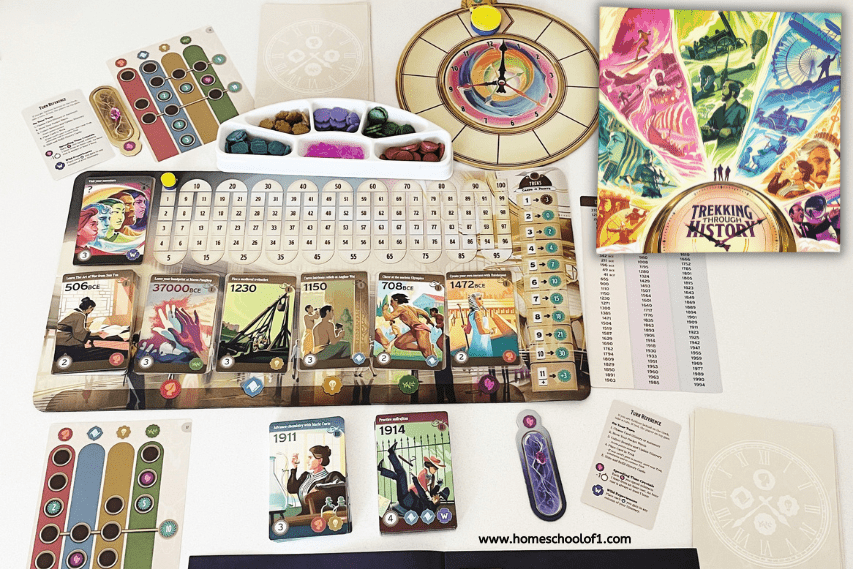
Homeschool Language Arts Curriculum Reviews
For language arts, we’ve had the most success combining structured instruction with plenty of reading and opportunities for creative writing.
Night Zookeeper
Best for: Kids who need more motivation to write
Night Zookeeper makes writing much more interactive than a traditional workbook.
The games and creative activities can be especially helpful for children who are reluctant to sit down and complete conventional writing assignments.
Read our full Night Zookeeper review.
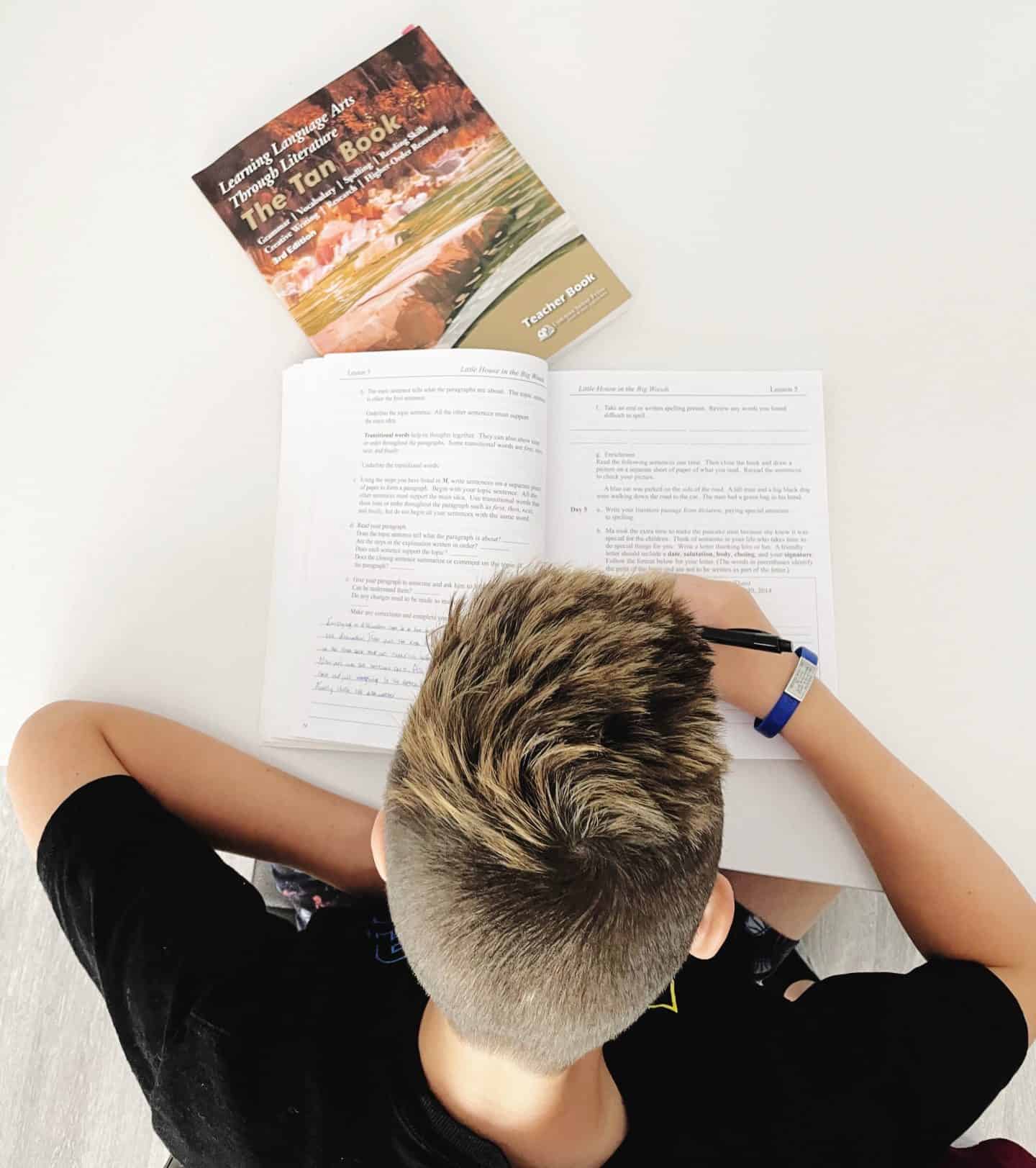
Learning Language Arts Through Literature
Best for: Families wanting literature and language arts combined
Learning Language Arts Through Literature combines reading, grammar, spelling, vocabulary, and writing around literature.
We liked having several areas of language arts connected rather than treating every skill as a completely separate subject.
Read our Learning Language Arts Through Literature review.
WriteShop
Best for: Structured writing instruction
WriteShop provides much more explicit writing instruction and is useful when you want a clear framework rather than simply giving children writing prompts and hoping for the best.
Read our WriteShop review.
Getty-Dubay Italic Handwriting
Best for: Handwriting and cursive instruction
We used Getty-Dubay for handwriting because of its simple progression from print into italic cursive.
See how we used it in our guide to teaching cursive writing.
Homeschool Science Curriculum Reviews
Our favorite science programs have generally been hands-on, secular, and interesting enough to encourage further questions.
Real Science Odyssey
Best for: Hands-on secular homeschool science
Real Science Odyssey has been one of our favorite options for combining proper science instruction with experiments and activities.
It covers multiple areas of science and works particularly well if you want something more substantial than disconnected worksheets and experiments.
Read our Real Science Odyssey review.
Generation Genius
Best for: Visual learners and supplemental science
Generation Genius uses short educational videos alongside activities and experiments.
We found it particularly useful for making science concepts easier to understand visually.
Read our Generation Genius review and our experience with the Generation Genius science kits.
Dr. Robin’s School
Best for: Human biology and anatomy
We used Dr. Robin’s School for a more focused study of human biology.
It is worth considering if your child is particularly interested in anatomy or you want a dedicated human biology course rather than a general science program.
Read our human biology curriculum review.
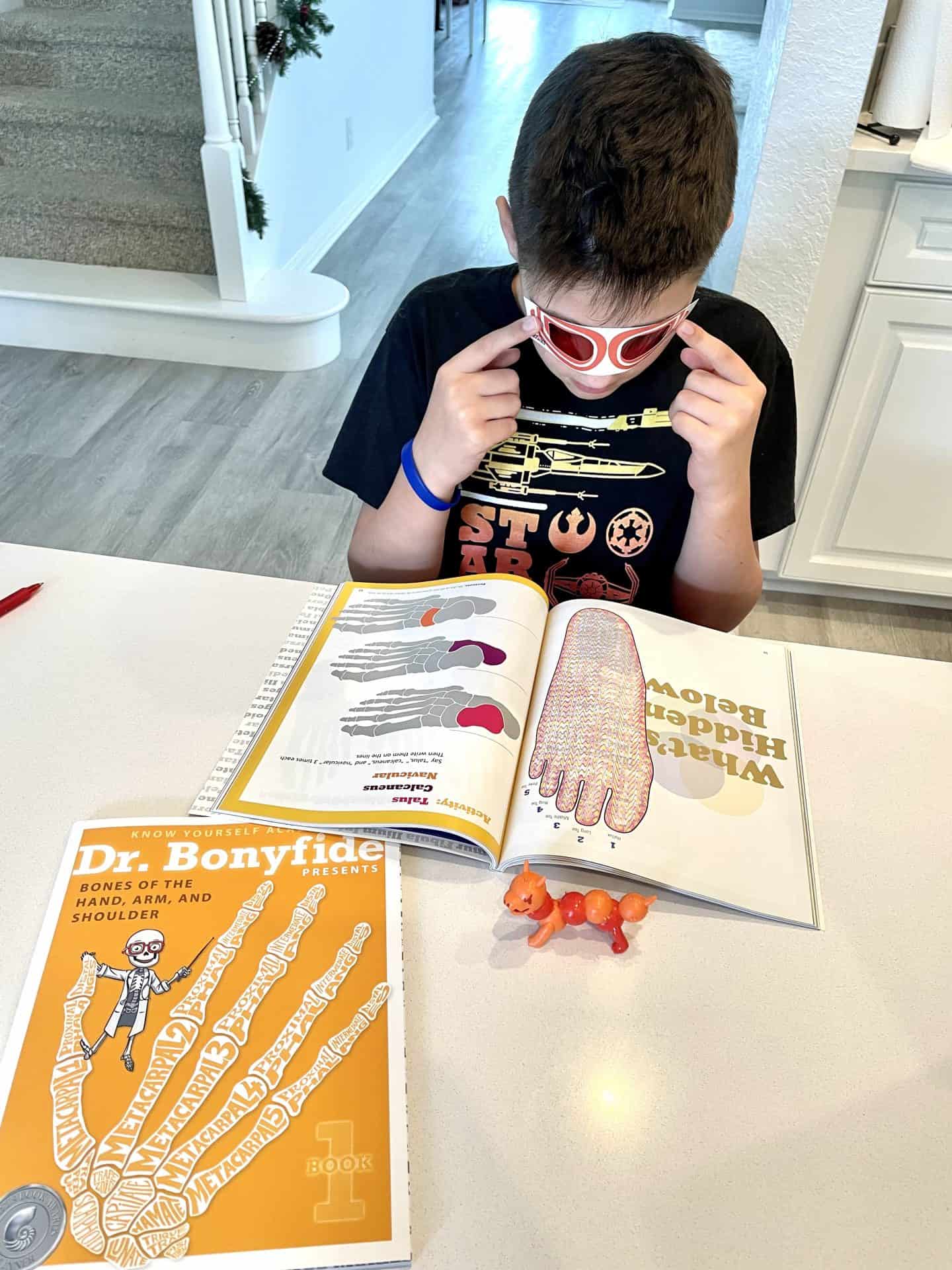
Know Yourself
Best for: Learning anatomy through books and activities
Know Yourself takes a very different approach to anatomy, combining detailed books with activities.
See the anatomy books for kids we used.
We have more recommendations in our complete guide to homeschool science curriculum.
Foreign Language Homeschool Curriculum Reviews
Language learning has worked best for us when it has been something we could use regularly rather than another rigid textbook subject.
Japanese From Zero
Best for: Beginners learning Japanese
Japanese From Zero provides a gradual introduction to Japanese and is approachable for students beginning independently.
Read about our experience with Japanese From Zero.

LingoPie
Best for: Listening practice and learning through TV
LingoPie is very different from a traditional language curriculum because students learn through television shows and other video content.
We found it most useful for additional listening and comprehension practice.
Read our LingoPie review.
Mr. D Math ASL
Best for: Online American Sign Language classes
Despite the Mr. D Math name, the company also offers other courses, including ASL.
Read about our experience with Mr. D ASL 1.
You can find additional options in our guide to foreign language programs for homeschoolers.
Social Studies and Financial Literacy Curriculum
Social studies became more useful as our son got older and we could connect lessons to economics, government, careers, and personal finance.
MoneyTime
Best for: Introducing practical money skills
MoneyTime teaches financial concepts through an online program designed specifically for kids.
Read our MoneyTime review.
Mr. D Math Economics
Best for: High school homeschool economics
Mr. D’s economics course provides a structured way to cover economics at high school level.
Read our homeschool economics curriculum review.
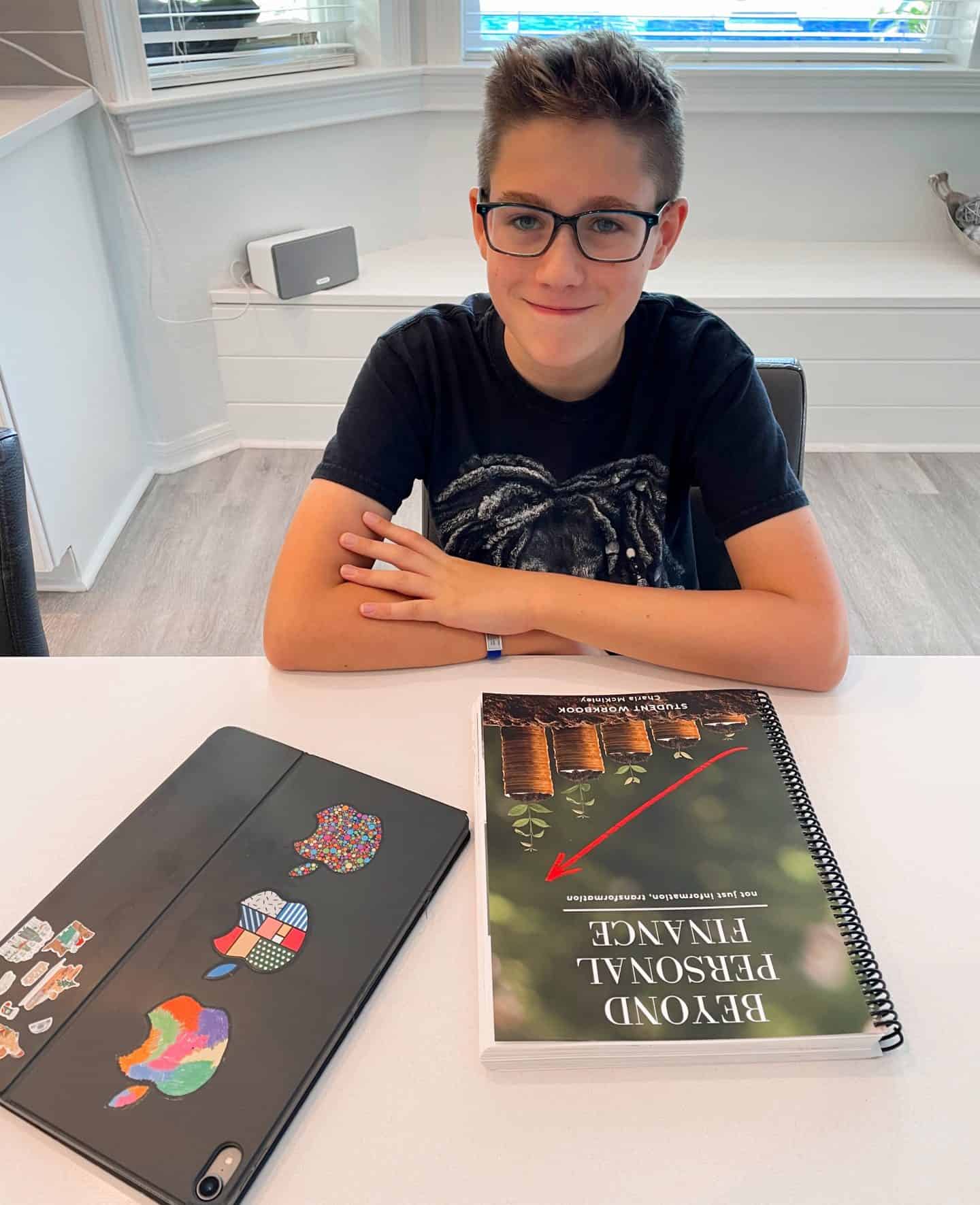
Beyond Personal Finance
Best for: Practical financial literacy for teens
Beyond Personal Finance focuses heavily on the financial decisions teenagers will eventually have to make in real life.
That practical approach makes it very different from simply learning financial vocabulary.
Read our Beyond Personal Finance review.
Paradigm Accelerated Curriculum
Best for: Structured government studies
We used Paradigm Accelerated Curriculum for government studies.
Read our homeschool government curriculum review.
We also used Sonlight’s 50 States unit study for geography.
Online Homeschool Curriculum Reviews
Online homeschool programs can be particularly useful when you need children to work more independently.
We’ve used several over the years, although I wouldn’t consider every one of them a complete homeschool curriculum.
Adventure Academy
Best for: Gamified learning across several subjects
Adventure Academy combines educational activities with an online game environment.
Read our Adventure Academy review.
ABCmouse
Best for: Younger elementary learners
ABCmouse provides activities across reading, math, science, and other early learning subjects.
Read our ABCmouse review.
Rounded Schoolhouse
Best for: Families looking for an all-in-one option
Rounded Schoolhouse is one of the programs we’ve tried that fits more closely with the idea of an all-in-one homeschool curriculum.
Read our Rounded Schoolhouse review.
Schoolio
Best for: Flexible structured learning
We’ve also used Schoolio as a more structured homeschool option.
See how we used Schoolio for kindergarten homeschool curriculum.
Exemplar Education
Best for: Supplemental online lessons
Exemplar Education provided another option for structured online practice.
Read our Exemplar Education review.
Coding and Keyboarding Programs
I don’t consider these complete homeschool curricula, but they have been useful additions to our homeschool.
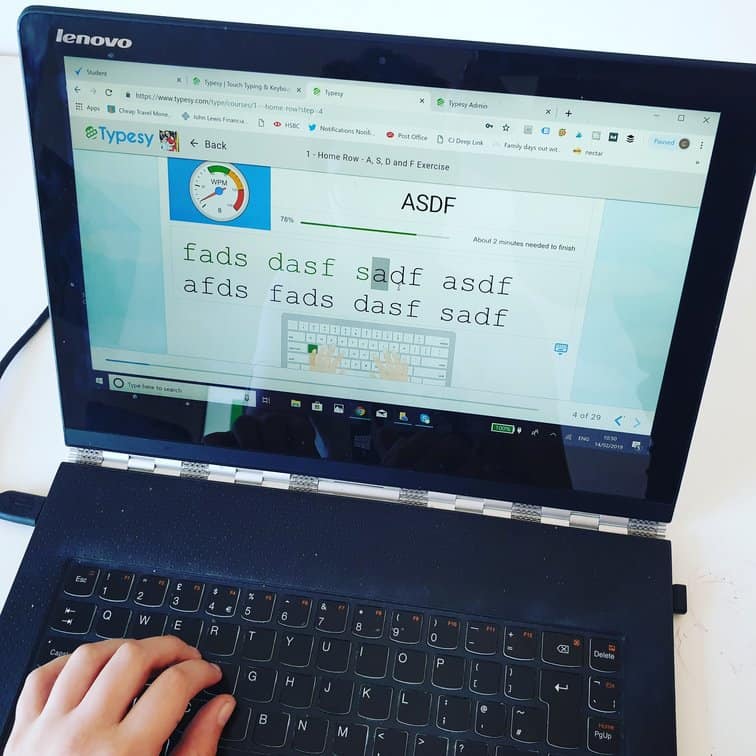
Typesy
Best for: Structured typing practice
Typesy provides a dedicated keyboarding program rather than expecting kids to pick up proper typing technique naturally.
Read our Typesy review.
Mytek Lab
Best for: Learning coding and programming
Mytek Lab provides structured online coding instruction.
Read our experience with online coding classes.
KidzType
Best for: Free typing practice
KidzType is useful when you want simple typing games rather than another full course.
See our favorite typing games for kids.
We have also used the Osmo Coding Starter Kit for more hands-on introductory coding.
Supplemental Homeschool Programs We’ve Used
Not every useful homeschool resource needs to be a full curriculum.
These are some of the additional programs, classes, and resources we’ve used alongside our core subjects:
- BrainPOP for short educational videos
- Curiosity Stream for documentaries and science content
- Outschool for live online classes
- Hey Kiddo! for social-emotional learning
- Great Bend Center for Music for online music lessons
- Homeschool MAP-style testing tools for skills assessments
- Online public speaking classes for communication skills
- TruSpark for career exploration
- Twinkl for worksheets and supplemental teaching resources
Educational Subscription Boxes We’ve Used
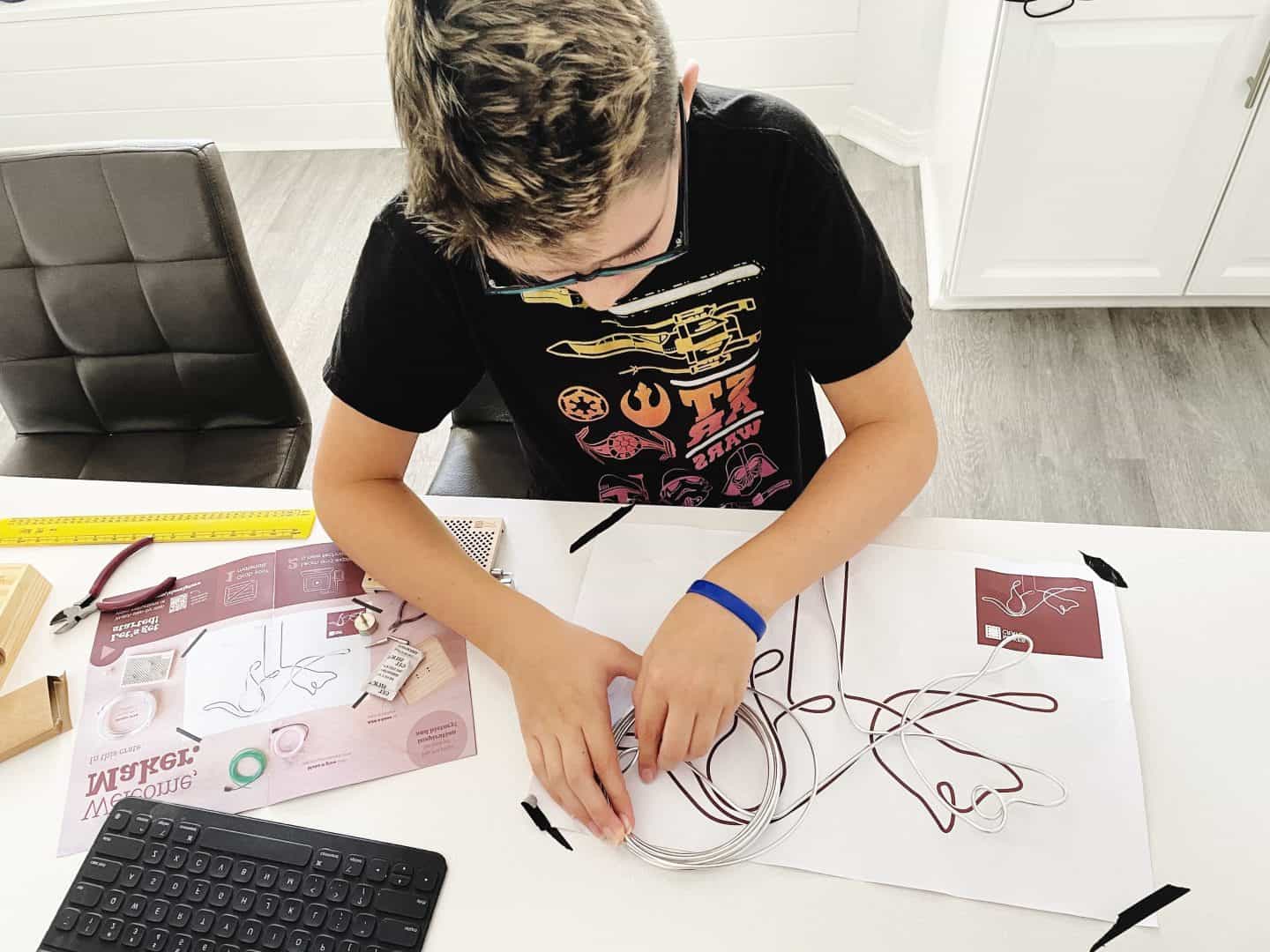
Subscription boxes aren’t homeschool curriculum either, but we’ve used them to add hands-on projects to science, geography, reading, and art.
Our reviews include:
- KiwiCo Eureka Crate
- MEL Science
- Children’s book subscription boxes
- KiwiCo Sprout Crate
- Atlas Crate
- KiwiCo Studio
- Panda Crate
- Our complete KiwiCo crate comparison
- OysterKit STEM subscription boxes
How to Choose the Best Homeschool Curriculum
After trying more than 70 homeschool programs, the biggest thing I’ve learned is that a highly rated curriculum isn’t necessarily the best curriculum for your child.
Before buying something new, I would consider:
Learning style. Does your child learn better through reading, videos, discussion, hands-on activities, or a mixture?
Independence. Some homeschool curricula require significant parent involvement, while others allow students to work almost entirely independently.
Structure. Decide whether you want detailed daily lessons or the freedom to move things around.
Online vs. print. We’ve successfully used both. The better option depends much more on the child than the format.
Your reason for changing. If you’re replacing an existing curriculum, work out exactly what isn’t working before choosing another one. Otherwise, it’s very easy to buy something different that creates exactly the same problem.
And don’t be afraid to stop using a curriculum that isn’t working simply because you’ve already paid for it. We’ve changed programs plenty of times.
What Is the Best Homeschool Curriculum?
There isn’t one homeschool curriculum I would recommend for every family.
For math, Teaching Textbooks and Mr. D Math have been among our strongest choices. For hands-on secular science, Real Science Odyssey stands out. For literature-based history, we’ve had good experiences with Sonlight.
The right choice still depends on your child’s age, learning style, and how independently you want them to work.
Are Online Homeschool Programs Better?
Not necessarily.
Online programs can make homeschooling significantly easier when students are ready to work independently, and automatic grading is particularly convenient.
But we’ve also had subjects where books, discussion, projects, and hands-on activities worked much better.
We normally choose the format separately for each subject rather than trying to make our entire homeschool either online or offline.
Are All-in-One Homeschool Programs Worth It?
An all-in-one homeschool curriculum can make planning much easier because several subjects are provided by the same program.
The trade-off is flexibility.
One of the biggest advantages of homeschooling is being able to choose the strongest curriculum for each subject. We’ve generally preferred mixing programs because something that works brilliantly for math isn’t automatically the best option for history, science, or writing.
Last Updated on 14 August 2026 by Clare Brown
