Homeschool Curriculum Reviews (Best Programs We’ve Used)

These homeschool curriculum reviews are based on seven years of trial, error, and a lot of real-life experience.
We’ve used over 70 programs across every subject, some were a perfect fit, others not so much.
This guide brings them together so you can find options that match your child’s learning style and your teaching goals.
**This post may contain affiliate links. As an Amazon Associate and a participant in other affiliate programs, I earn a commission on qualifying purchases.**
Curriculum Reviews by Subject
Every child learns differently, so finding the right curriculum often depends on their learning style, interests, and grade level.
Over the years, we’ve explored a variety of programs, some that became instant favorites and others that didn’t quite work for us.
We’ve grouped everything by subject to make it easier to find what you need—math, science, language arts, history, and more.
Whether you’re looking for a hands-on approach, a digital program, or a structured textbook-based curriculum, these insights will help you make an informed choice.
Choosing a Homeschool Math Curriculum
Math looks different for every child. Some need hands-on practice, others prefer clear structure or interactive lessons.
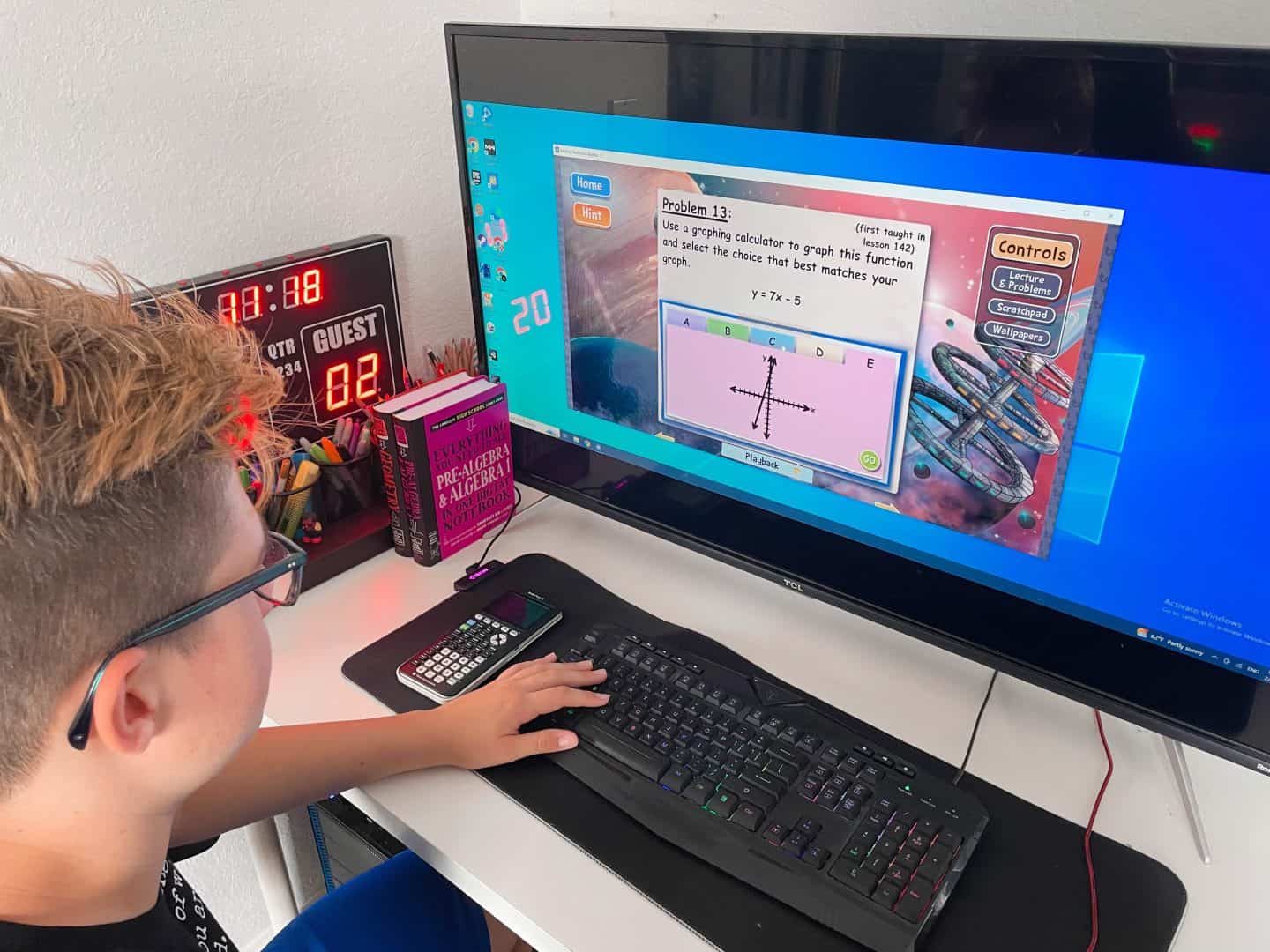
After trying a range of programs over the years, these are the math options that worked best for us:
- Geometry with Mr. D. Math
- Algebra using Teaching Textbooks
- Our experience with Teaching Textbooks for ADHD-friendly pacing
- How IXL works for daily math practice
- What we liked (and didn’t) about Teaching Textbooks overall
- Using CTC Math for visual learners
- Switching between different levels with Mr D Math
Homeschool History
History clicked best for us when it felt like stories instead of memorizing timelines.
These are the history programs and tools we’ve used over the years, from literature-based learning to hands-on projects:
- Learning through stories with Beautiful Feet Books
- Using History Odyssey for structured lessons
- American history with Sonlight Level D
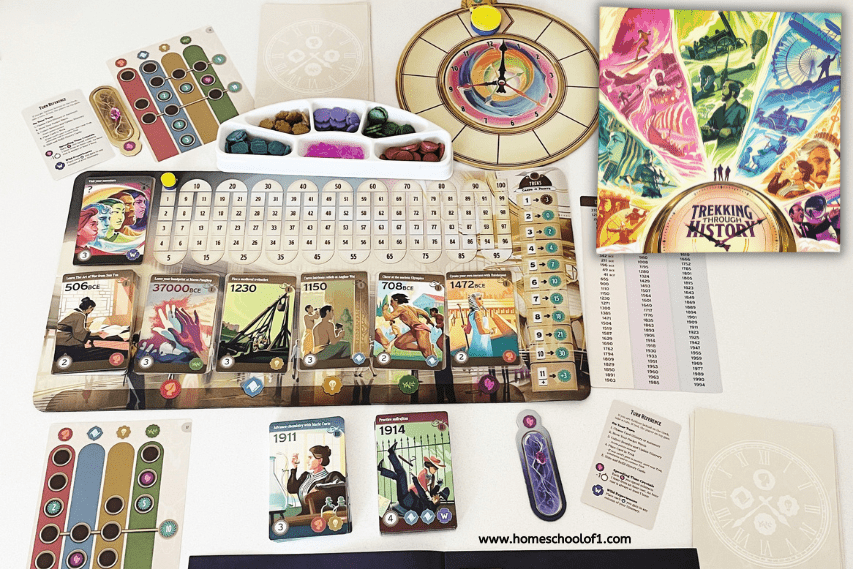
- A simple history timeline for kids to visualize events
- Creating lap books alongside Sonlight lessons
- Exploring world history with Sonlight Level G
Homeschool Language Arts
Language arts worked best for us when we mixed structured lessons with creative and literature-based learning.
These are the secular homeschool programs we’ve used over the years, from handwriting through advanced writing and reading:
- Building confidence with writing through Night Zookeeper
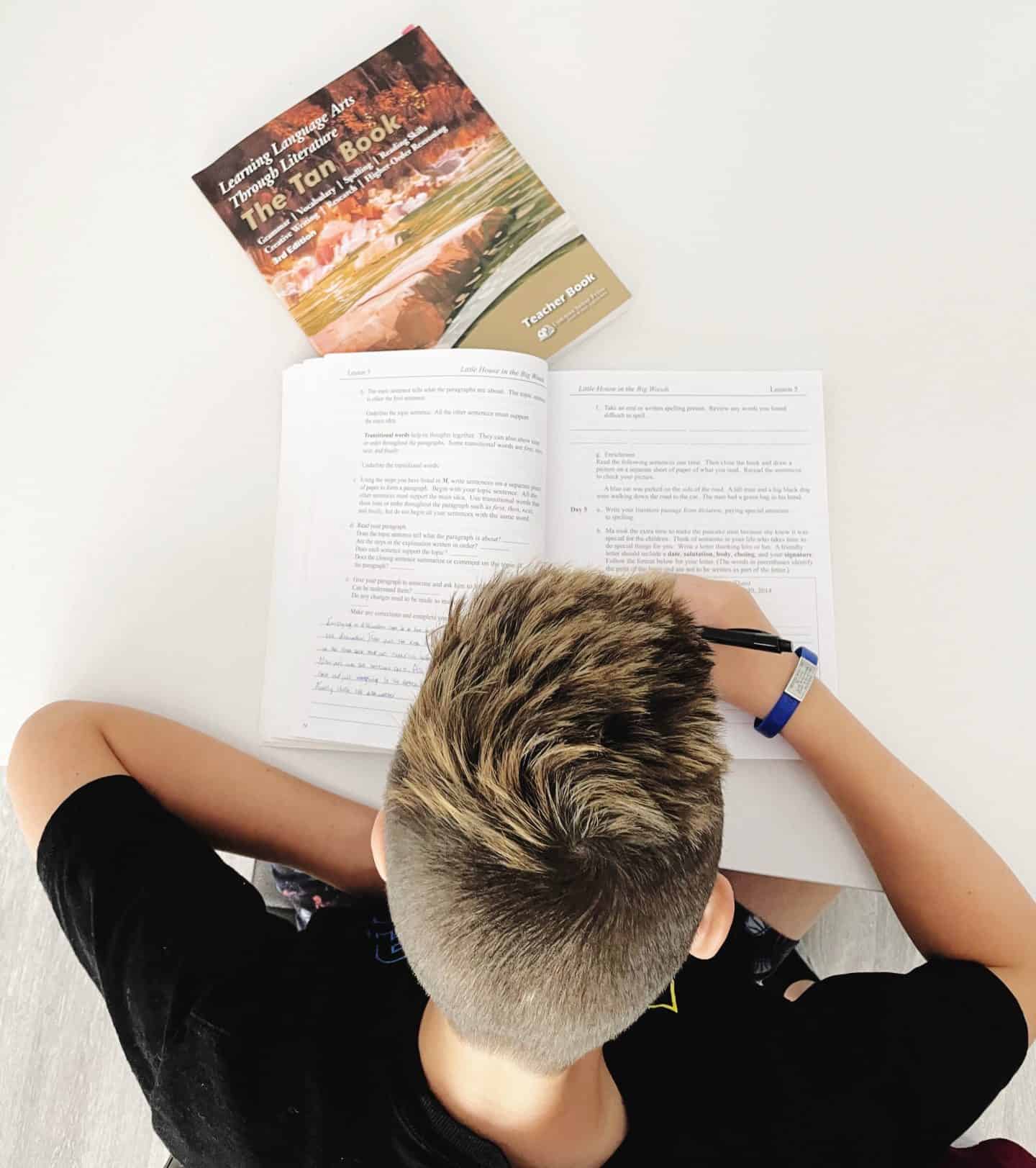
- Learning literature and composition with Learning Language Arts Through Literature
- Structured writing practice using Writeshop
- Handwriting instruction with Getty-Dubay Italic Handwriting
Homeschool Science Curriculum
Science worked best for us when it stayed hands-on and curiosity-driven instead of worksheet heavy.
These are the science programs we’ve used over the years, covering everything from general science to anatomy and biology:
- Exploring multiple sciences with Real Science Odyssey
- Using short videos and activities from Generation Genius
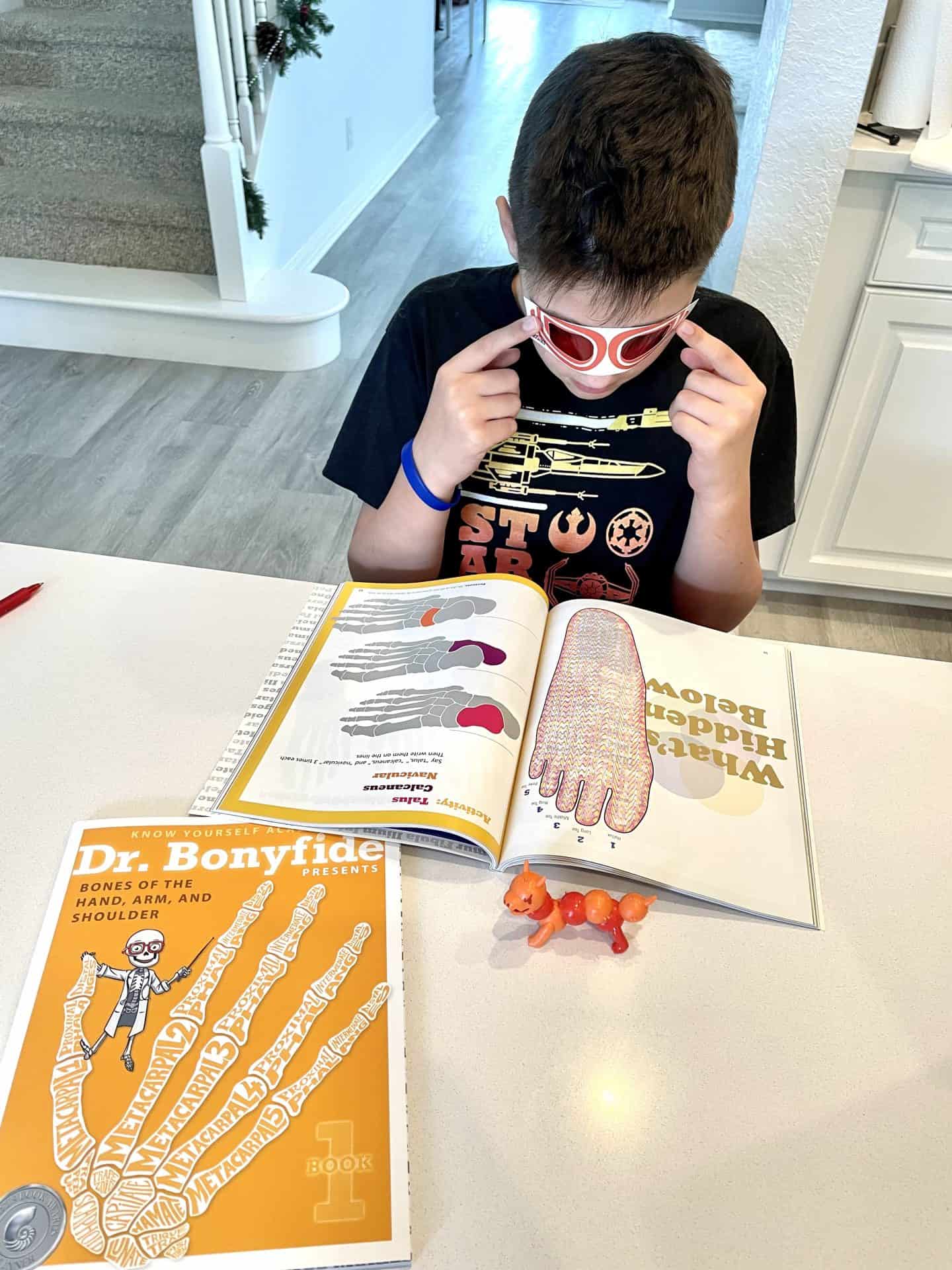
- Learning anatomy through books from Know Yourself
- Biology studies using Dr. Robin’s School
- Hands-on projects from Young Scientist Series from Heron Books.
Foreign Languages
Learning a new language worked best for us when it felt interesting and low-pressure instead of rigid.
These are the language programs we’ve used, from self-paced books to video-based learning and ASL:
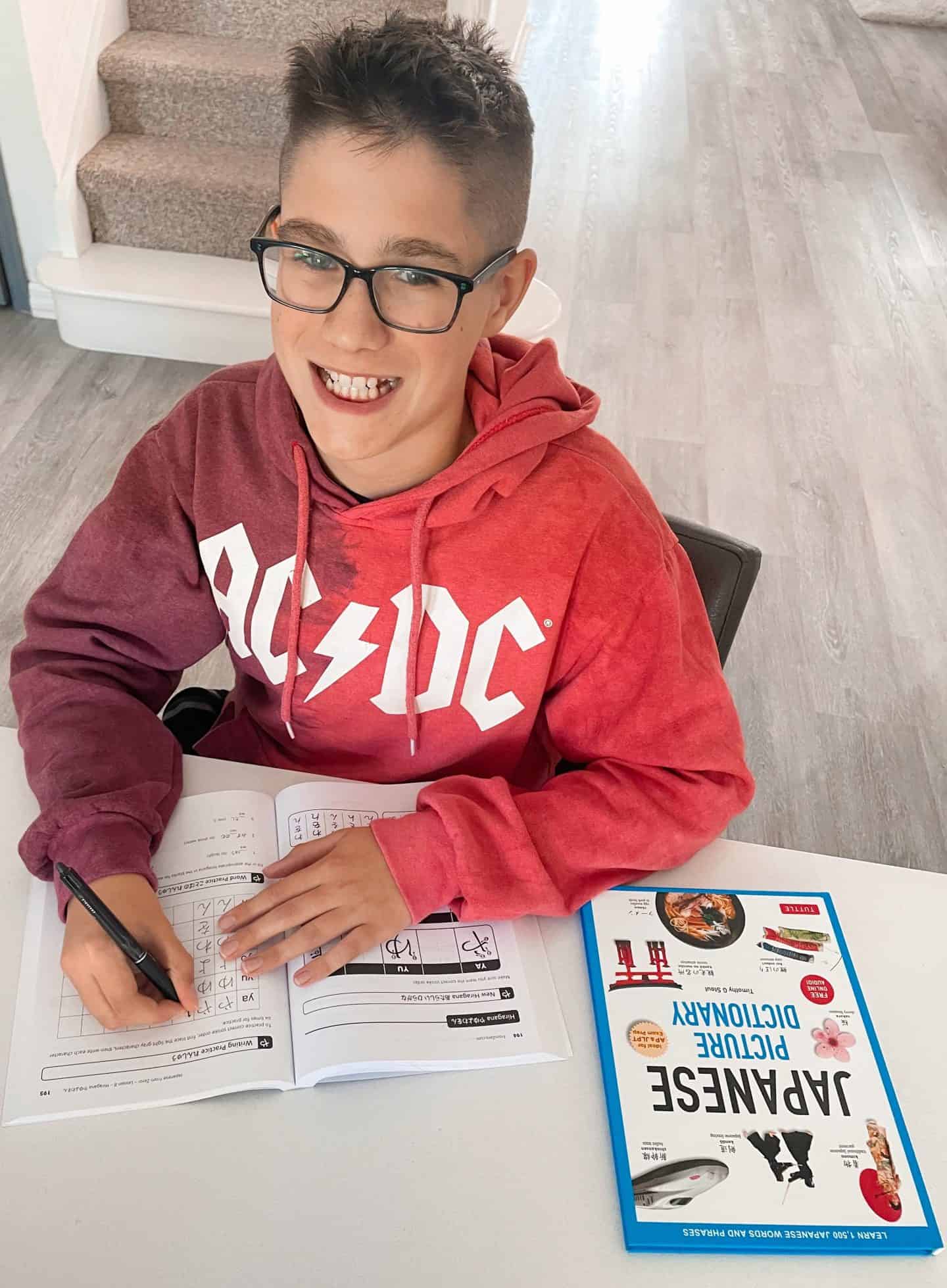
- Starting Japanese with Japanese from Zero
- Practicing listening and comprehension with LingoPie
- Learning American Sign Language through Mr. D. Math ASL courses
Social Studies
Social studies worked best for us when it connected real-world skills with hands-on learning.
These are the programs we’ve used for economics, government, geography, and unit studies:
- Learning money skills with MoneyTime
- Teaching homeschool economics through Mr. D. Math
- Exploring geography with Sonlight’s 50 States unit study
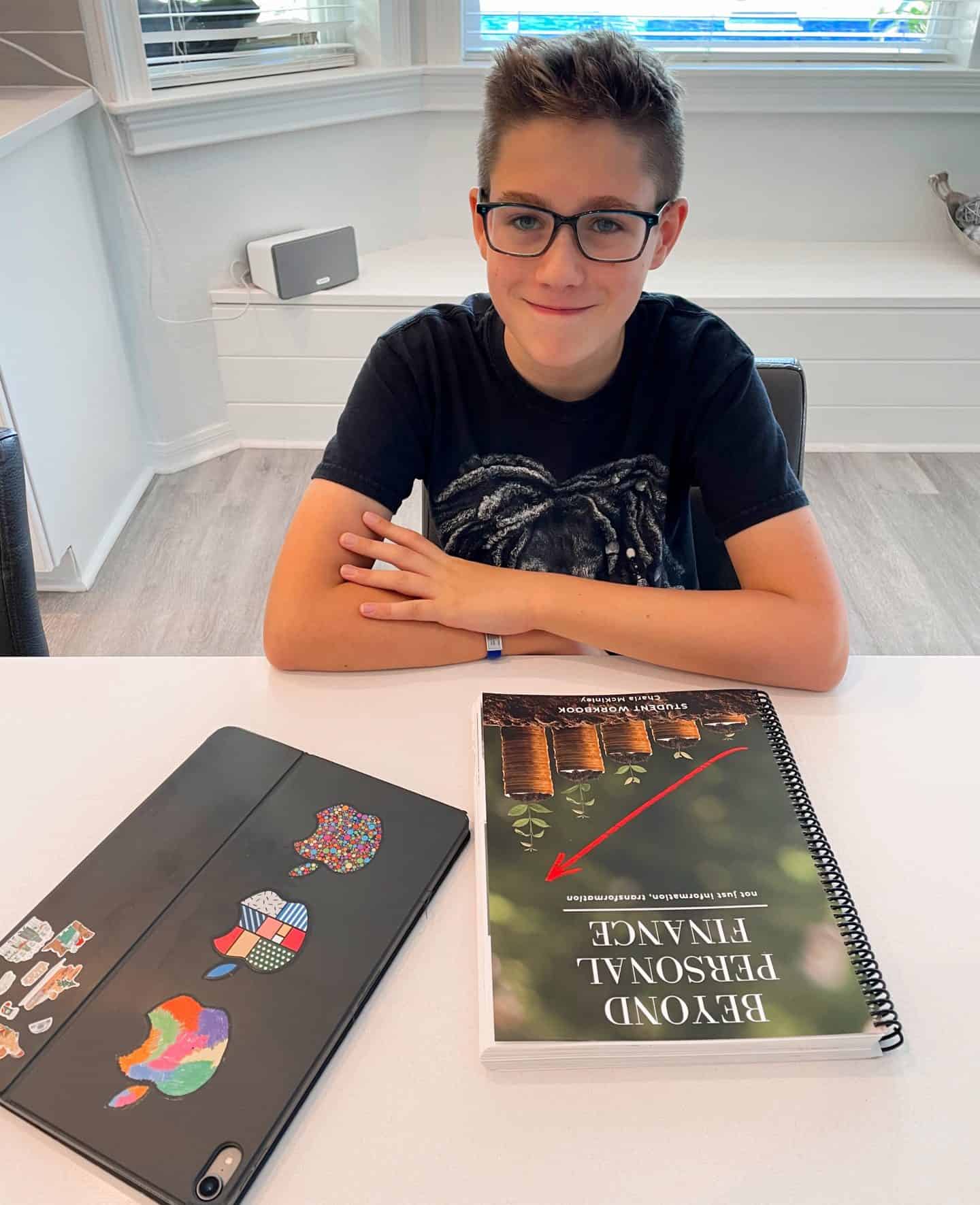
- Financial literacy for teens using Beyond Personal Finance
- Studying government with Paradigm Accelerated Curriculum
Coding and Keyboarding
Typing and basic coding skills became more important as my son got older, especially once more schoolwork moved online.
These are the tools we’ve used for keyboarding practice and early programming:
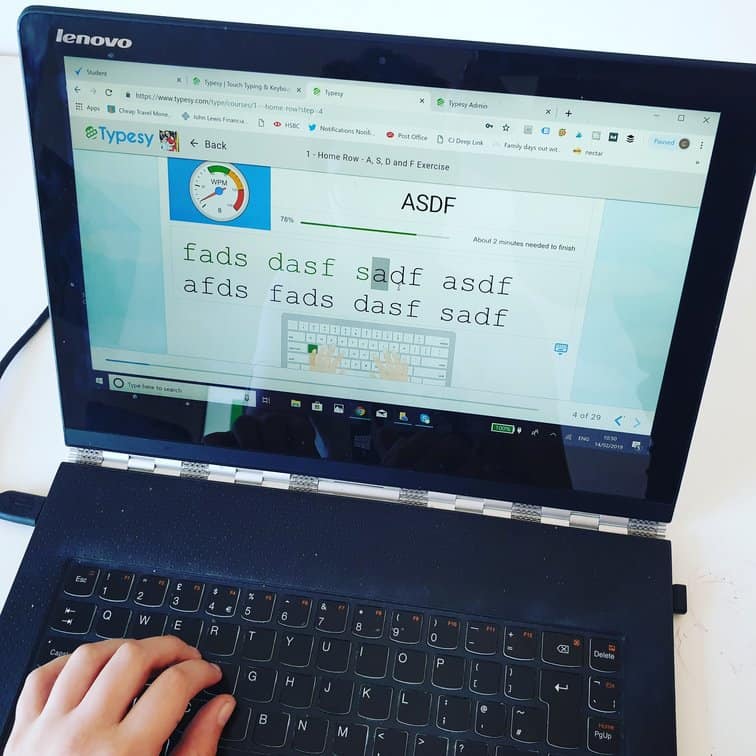
- Learning to type with Typesy
- Getting started with coding through the Osmo coding starter kit
- Exploring beginner programming with Mytek Lab
- Practicing typing skills with free games from KidzType
Educational Subscription Boxes
Hands-on kits were an easy way to add variety without a lot of prep.
These are the subscription boxes we’ve used across science, geography, art, and reading:
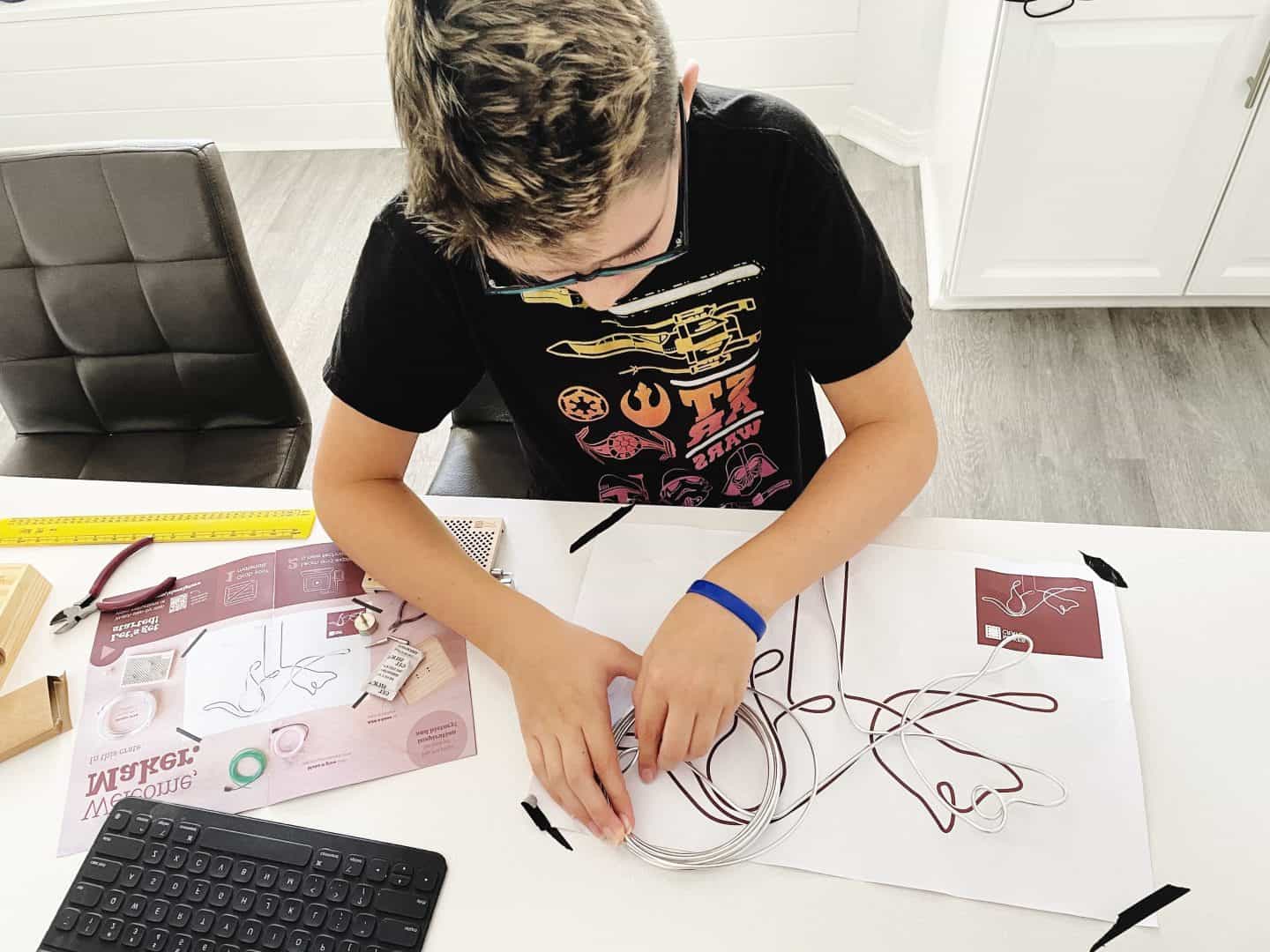
- Building and experimenting with different KiwiCo crates
- Exploring science concepts with Mel Science starter kits
- Adding monthly children’s book boxes for extra reading motivation
- Starting younger years with KiwiCo Sprout crates
- Learning geography with KiwiCo’s Atlas Crate
- Creating art projects with KiwiCo Studio crates
- Trying different Panda Crate boxes for early STEM play
- Comparing KiwiCo crates to find the best fit by age and interest
- Using hands-on science kits from Generation Genius
- Hands-on STEM projects with OysterKit
Extra Curriculum and Learning Tools
Not everything we used fit neatly into one subject. Over the years, we added a mix of full programs, online classes, and creative tools to fill gaps or shake things up.
These are the extra resources that worked well for us:
- Exploring core subjects with Adventure Academy
- Early learning and practice with ABCmouse
- Short educational videos from BrainPOP
- Watching documentaries and science content through Curiosity Stream
- Live online classes with Outschool
- Trying structured homeschool lessons from Rounded Schoolhouse
- Using Schoolio for flexible learning
- Supplemental lessons from Exemplar Education
- Social-emotional learning activities from Hey Kiddo!
- Music lessons through Great Bend Center for Music
- Quick skills assessments with homeschool MAP-style testing tools
- Online public speaking classes for confidence building
- Career exploration tools for teens from TruSpark
- Free worksheets and teaching materials from Twinkl
We’ve spent years figuring out what works and what doesn’t in our homeschool. Whether you’re just starting out or changing things up, I hope these give you a clearer path forward.
Last Updated on 6 February 2026 by Clare Brown
